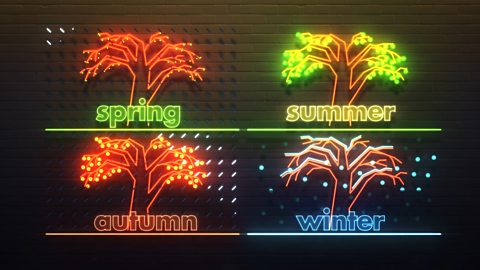
This film explains glaciation: what it is, how it shapes the land, and the effects of climate change on the world’s glaciers.
Video
Glaciation refers to the formation of huge bodies of ice called glaciers, and the way they erode and change the landscape as they move.
Glaciers are made of densely packed snow that's fallen in the same place over years and years.
Each fresh fall of snow adds to the weight, crushing the layers of snow below, turning it into ice.
A glacier is a bit like a very, very slow moving river and just like a river, it changes the landscape around it over time - a very, very long time.
As they move along, glaciers can pick up pretty much anything in their path, from pebbles to massive boulders. It all depends on how big the glacier is and how fast it is moving.
As glacial ice moves very slowly downhill, pieces of rock and gravel get stuck between the ice and the land, forming a coarse surface, similar to the sand on sandpaper. These rocks grind together, creating tiny grains of dust, called rock flour.
Some glaciers flow all the way to the sea and when they get there, pieces of the glacier can break off and form icebergs.
Thousands of years ago, glaciers were a feature of the landscape here in Britain and they left behind many U-shaped valleys that can be found in places like the Lake District in England and the Highlands of Scotland.
Today, glaciers store about three quarters of the Earth's fresh water, more than all the rivers and lakes put together.
Climate change is having a real impact on them. Even in the Antarctic, the coldest place on Earth, there is increasing evidence that rising temperatures are causing glaciers to melt. If this continues, scientists predict it will have a devastating impact on the planet.
If all of the Earth's glaciers were to melt, sea levels would rise by an estimated seventy metres. That's higher than ten two-storey houses piled on top of each other.
Video summary
Download/print a transcript of the video.
A short film for secondary schools explaining glaciation: what it is, how it shapes the land and the effects of climate change on the world’s glaciers.
The film gives examples of glacial processes and provides an opportunity for students to put these into context through fieldwork or by investigating secondary sources.
It can help provide an effective introduction to the AQA GCSE geography specification.
Teacher notes
Download/print the Teacher Notes for this episode (pdf).
Before watching the video
Show students images of glaciers and ask what they can see. Ask students what vocabulary they would use to describe those locations.
Introduce key terms such as:
Glacier: A slow-moving river of ice.
U-shaped valley: A wide steep-sided valley with flat bottom.
During the video
You may wish to stop at relevant points during this short film to pose questions and check understanding or wait until the end. Useful questions might include:
- What are glaciers?
- How are glaciers formed?
- What happens to glaciers as they move?
- What is rock flour?
- In the UK where is there evidence of glacial activity?
- What impact is climate change having on glaciers?
- What would happen if all of the glaciers were to melt?
After watching
Look at a range of glacial landforms and ask students how they think they were formed. Discuss glacial processes with students and ask students to draw and annotate the range of different glacial processes.
Students could also explore a range of different glacial landscapes and draw field sketches of those locations, annotating the processes and landforms that they can see.
Students could also create a glossary of key terms as they learn about the range of different processes and landforms that are created by glaciers.
Where next?
Use VR Glaciers to explore glaciated landscapes. A range of glaciated landscapes can be explored, including California.
VR Glaciers enables a 360-degree view of a location and the ability to move through the landscape to see how glaciated landscapes change.
Curriculum notes
This short film is relevant for teaching geography at KS3 in England, Wales and Northern Ireland and 3rd and 4th Level in Scotland.
This short film helps meet the requirement of the Key Stage 3 national curriculum in geography requirement to develop and understanding of:
- physical geography relating to: geological timescales and plate tectonics; rocks, weathering and soils; weather and climate, including the change in climate from the Ice Age to the present; and glaciation, hydrology and coasts.
More videos from this series
Primary and secondary industries. video
A short film for secondary schools explaining primary and secondary industries.
Tertiary and quaternary industries. video
A short film for secondary schools explaining tertiary and quaternary industries, what they are and how they fit into global economy.

Erosion. video
A short film for secondary schools explaining the various types of erosion and illustrating the dramatic effect the process has had on landscapes across the world.
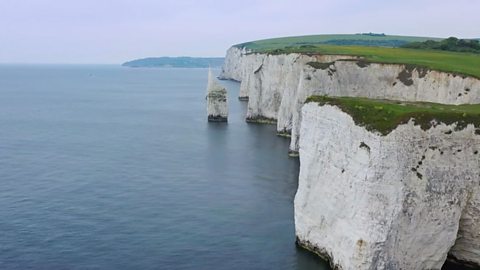
Plate tectonics. video
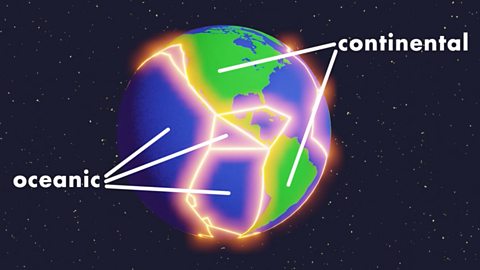
A short animated film for secondary schools detailing tectonic plates, their movement and boundaries, and what this means for Earth.
Responses to flooding. video
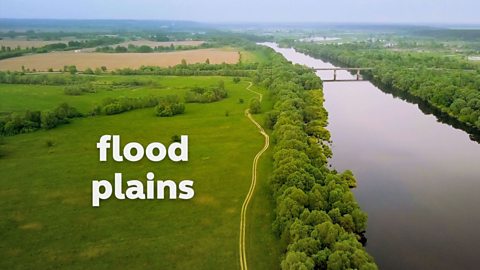
A short film for secondary schools explaining the common responses to flooding and the methods employed to prevent and reduce flooding. Footage shows examples of hard and soft engineering techniques.
Rapid urbanisation. video
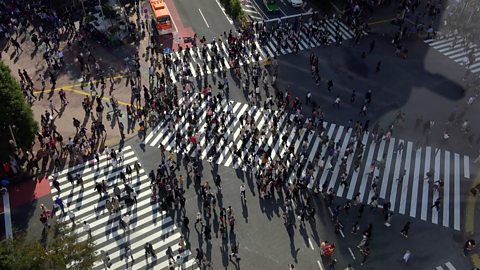
Investigates how rapid urbanisation impacts on both urban and rural areas and the challenges this presents.
Coastal flooding. video
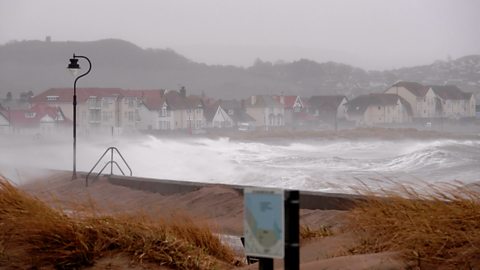
Illustrated with case studies, this short film for secondary schools explains the causes and results of coastal flooding, focussing primarily on instances in the UK.
River flooding. video
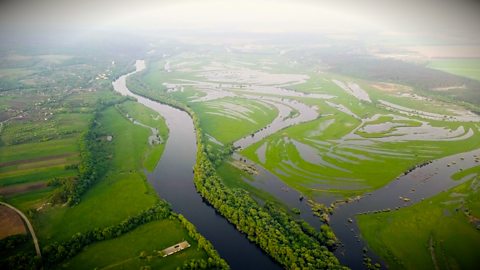
A short film for secondary schools offering explanation of the causes and effects of river flooding. Footage shows examples of case studies of river flooding in the UK and across the world.
Climate. video
A short animated film for secondary schools describing the factors that determine the climate of a country and the main climate zones of the world.