This film explains what primary and secondary industries are.
Video
Industry is any economic activity which creates jobs and generates income.
All industry is made up of four sectors that are a linked together like a chain: primary, secondary, tertiary and quaternary industry.
Industries in the primary and secondary sectors are the oldest types of industry and involve working directly with raw products.
Primary industries are the starting point for all industrial activities. They involve the growing, extracting or collection of raw materials from the Earth or sea.
Farming, fishing and mining are examples of primary industries. Work in these industries tends to be hard and physical. In the past, it required a lot of human power or the use of working animals like horses.
Secondary industries are the second link in the chain of industries. Industries in this sector turn raw materials from the primary sector into a manufactured product. Examples of a secondary industry include food processing, which transforms raw produce into the food products we buy in shops. And energy production, where coal, water or other natural resources are used to generate power for our homes and businesses. Car manufacture is another good example of a secondary industry, as it processes raw materials like metal and rubber into the cars we drive around in.
Historically, primary and secondary industries were often sited close together to minimise the cost of transporting materials. Today, it's common for the raw materials used in manufacturing to cross oceans.
For example, in plane manufacture the component parts can be made in several different locations across the globe and brought to one place to be assembled.
While primary and secondary industries may be less visible in the economy of many developed countries like the UK, they remain the essential first steps in every product that you use or consume.
Video summary
Download/print a transcript of the video.
A short film for secondary schools explaining primary and secondary industries.
It will help students to understand the background of these industries and what each contributes to society and the country and how they are linked.
It covers the raw material harvest of primary industries and how these raw materials are processed, manufactured and changed, through secondary industries, into the products we use in our daily lives, such as cars.
It meets the requirement of the Key Stage 3 Geography Curriculum with regard to:
- human geography relating to: population and urbanisation
- international development economic activity in the primary, secondary, tertiary and quaternary sectors
- the use of natural resources
Teacher notes
Download/print the Teacher Notes for this episode (pdf).
Before watching the video
Ask students to create a list of ten different jobs. Students share the list of jobs with the rest of the class. Discuss with students what categories those jobs could fit into, are there any similarities between the types of jobs?
Introduce key terms such as:
Industry: Any economic activity which creates jobs and generates income.
Primary industry: These involve the growing, extracting or collection of raw materials from the Earth or sea.
Secondary industry: These involve turning raw materials from the primary sector into a manufactured product.
During the video
You may wish to stop at relevant points during this short film to pose questions and check understanding or wait until the end. Useful questions might include:
- How many industry sectors are there?
- What are primary industries?
- Give an example of a job in the primary sector.
- What are secondary industries?
- Give an example of a job in the secondary sector.
- Why did primary and secondary industries used to be located near each other?
- What link is there between the different industries and globalisation?
After watching
After watching this short film, students could carry out a study of the industries in their local area; what are the main types of industry present and how have these changed over time?
Ask students to create a list of jobs that are part of each sector. Research could be carried out into countries where a high number of jobs are available in each of the primary and secondary sectors.
Where next?
This is a great opportunity to investigate the range of different jobs available in geography.
- Use Bitesize Careers section on Geography, History and Religious Studies to help students to understand more about jobs in geography.
Students and teachers over the age of 16 can create a free Financial Times account. For a Financial Times article about coal’s rapid decline from 2018, click here.
Curriculum notes
This short film is relevant for teaching geography at KS3 in England, Wales and Northern Ireland and 3rd and 4th Level in Scotland.
It meets the requirement of the Key Stage 3 Geography Curriculum with regard to:
- human geography relating to: population and urbanisation
- international development economic activity in the primary, secondary, tertiary and quaternary sectors
- the use of natural resources
More videos from this series
Tertiary and quaternary industries. video
A short film for secondary schools explaining tertiary and quaternary industries, what they are and how they fit into global economy.

Erosion. video
A short film for secondary schools explaining the various types of erosion and illustrating the dramatic effect the process has had on landscapes across the world.
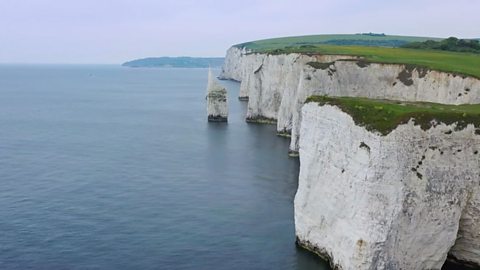
Plate tectonics. video
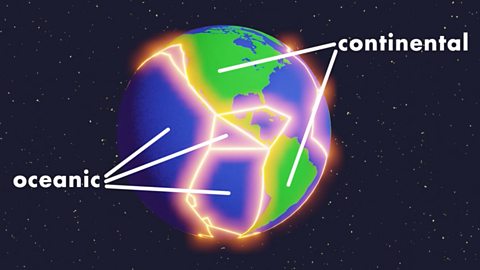
A short animated film for secondary schools detailing tectonic plates, their movement and boundaries, and what this means for Earth.
Responses to flooding. video
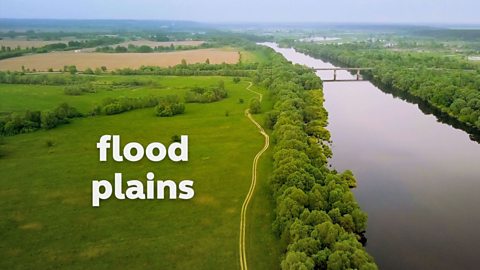
A short film for secondary schools explaining the common responses to flooding and the methods employed to prevent and reduce flooding. Footage shows examples of hard and soft engineering techniques.
Glaciation. video
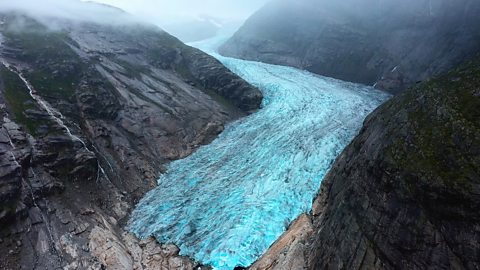
A short film for secondary schools explaining glaciation: what it is, how it shapes the land and the effects of climate change on the world’s glaciers.
Rapid urbanisation. video
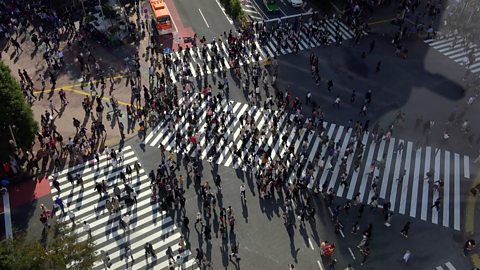
Investigates how rapid urbanisation impacts on both urban and rural areas and the challenges this presents.
Coastal flooding. video
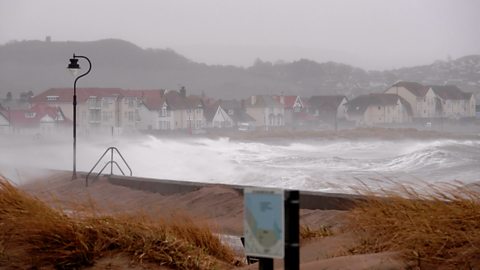
Illustrated with case studies, this short film for secondary schools explains the causes and results of coastal flooding, focussing primarily on instances in the UK.
River flooding. video
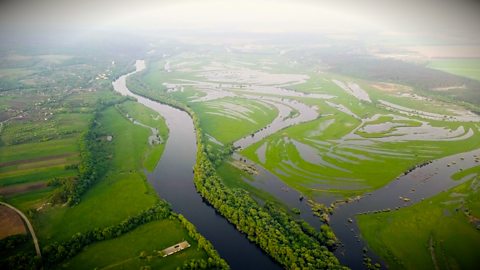
A short film for secondary schools offering explanation of the causes and effects of river flooding. Footage shows examples of case studies of river flooding in the UK and across the world.
Climate. video
A short animated film for secondary schools describing the factors that determine the climate of a country and the main climate zones of the world.