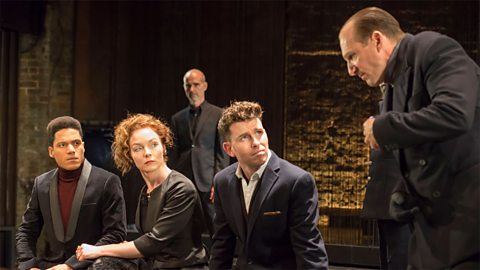
The theme of power and ambition in Richard III
Power and ambition are central to Richard III, and Richard himself shows how dangerous they can become. From the very beginning, he admits he wants to “prove a villain” (Act 1, Scene 1), making it clear that he plans to take the crown through manipulation and violence. His ambition is active and deliberate: he lies, tricks people and removes anyone who stands in his way.
Richard uses language as a weapon. When he persuades Lady Anne to marry him, even though he killed her husband, he claims her beauty “hath moved me” (Act 1, Scene 2). This shows how he uses charm and emotional pressure to get what he wants. He also twists King Edward’s words about Clarence – “I do not like the Tower” (Act 1, Scene 1) – turning a simple comment into a reason to have Clarence killed.
As Richard gets closer to becoming king, his ambition becomes more extreme. He orders the murder of the young princes, saying, “I wish the bastards dead” (Act 4, Scene 2). This shows how ambition can destroy Concerned with the principles of right and wrong behaviour.. However, his rise to power leaves him isolated. Before the Battle of Bosworth, the ghosts of his victims curse him with “Despair and die!” (Act 5, Scene 3). His final desperate cry – “A horse! A horse! My kingdom for a horse!” (Act 5, Scene 4) – shows how empty his ambition truly was.
Appearance versus reality in Richard III
A major theme in Richard III is the difference between how things look and what they really are. Richard is a master of pretending. He acts loyal, honest and even religious, while secretly planning murders. When he says he “cannot flatter and look fair” (Act 1, Scene 3), he is lying – he constantly flatters and deceives people to gain power.
One of the clearest examples of this is when Richard pretends to be holy and unwilling to take the crown. He stands between two churchmen with a prayer book, and Buckingham claims he is “divinely bent to meditation” (Act 3, Scene 7). The audience knows this is all an act designed to trick the public into trusting him.
Richard also takes advantage of people who believe his lies. Clarence calls him “my loving brother” (Act 1, Scene 1), not realising Richard has arranged his death. Hastings also trusts Richard and is shocked when he is suddenly executed. Richard coldly says, “I am no mourner for that news” (Act 3, Scene 4), showing how little he cares.
In the end, Richard’s lies fall apart. Richmond exposes him as “the wretched, bloody, and usurping boar” (Act 5, Scene 2). The play warns that false appearances cannot hide the truth forever.
Family and blood ties in Richard
Family relationships in Richard III are constantly tested and destroyed, mainly because of Richard’s ambition. Even though he is part of the royal family, he is willing to betray his own relatives. When he says he is “determined to prove a villain” (Act 1, Scene 1), it foreshadows his plan to have his brother Clarence killed, even though he calls him “poor Clarence” (Act 1, Scene 1).
The women in the play express the emotional damage caused by Richard’s actions. Queen Margaret calls him a “rooting hog” (Act 1, Scene 3), predicting that he will tear the family apart. Richard’s mother, the Duchess of York, is heartbroken by what he has become, calling him “the wretched’st thing when he was young” (Act 4, Scene 4).
The murder of the princes is the worst example of Richard breaking family bonds. He dismisses them as “the bastards” (Act 4, Scene 2), showing how he strips away their identity to justify killing them. Their innocence highlights how far Richard has fallen.
However, the play also shows that family can help heal the kingdom. Richmond’s marriage to Elizabeth of York promises to “join your houses” (Act 5, Scene 5), bringing peace after Richard’s destruction. Shakespeare suggests that while family can be used for power, it can also restore unity.
Themes of violence and tyranny in Richard III
Violence in Richard III is planned and purposeful, helping Richard rise to power. Early in the play, he creates conflict between his brothers, saying he will set Clarence and the king “in deadly hate” (Act 1, Scene 1). Clarence’s murder, carried out by hired killers, shows how Richard uses violence while pretending to be innocent.
As Richard gets closer to the throne, he becomes more openly violent. He orders Hastings to be executed without a trial, shouting “Off with his head!” (Act 3, Scene 4). This moment shows how Richard shifts from secret plotting to open A way of governing or ruling that is oppressive and cruel to the people..
The murder of the princes is the most shocking act. Richard says, “I wish the bastards dead” (Act 4, Scene 2), proving that he will kill even children to protect his power. This act symbolises how tyranny destroys innocence.
Shakespeare also shows the psychological effects of violence. Before the final battle, Richard is haunted by the ghosts of the people he killed. Each one tells him to “Despair and die!” (Act 5, Scene 3), showing how his crimes come back to punish him.
When Richmond defeats Richard, he calls him a “bloody tyrant” (Act 5, Scene 5). The play suggests that rulers who rely on violence eventually fall.
Themes of fate, prophecy and justice in Richard III
Fate and prophecy play a major role in Richard III, suggesting that Richard’s downfall is destined from the start. Queen Margaret’s curses in Act 1, Scene 3 predict the destruction of the York family and warn that Richard will be “the cause of that ill.” As the play continues, her predictions come true one by one.
Richard tries to ignore fate and believes he can control everything through clever planning. But signs of justice appear throughout the play. Clarence’s dream of drowning and being tormented by spirits (Act 1, Scene 4) foreshadows his death and suggests that evil actions will be punished. The princes also sense danger, with Prince Edward saying, “I fear no uncles dead” (Act 3, Scene 1), hinting at their tragic fate.
The ghost scene before Bosworth is the strongest example of fate and justice. Each ghost curses Richard with “Despair and die!” and blesses Richmond with “Live and flourish!” (Act 5, Scene 3). This shows that fate supports the rightful leader.
Richard’s final cry – “A horse! A horse! My kingdom for a horse!” (Act 5, Scene 4) – shows how powerless he has become. Richmond later says that “God and our good cause fought upon our side” (Act 5, Scene 5), suggesting that justice has finally been served.
Legitimacy and kingship in Richard III
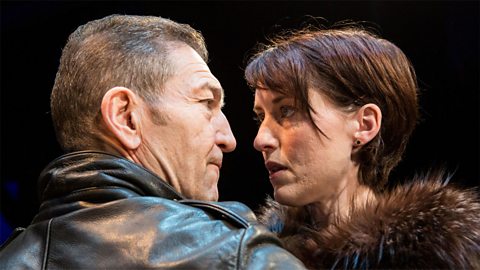
A key question in Richard III is what makes someone a rightful king. Shakespeare contrasts honest, legitimate rule with Richard’s dishonest rise to power. Richard spreads lies about Edward IV’s children, calling them “bastards” (Act 3, Scene 5), to weaken their claim to the throne. This shows how easily the idea of legitimacy can be manipulated.
Richard also tries to look like a rightful king by putting on a performance. He stands with a prayer book between two bishops, pretending to be holy, while Buckingham claims he is “not fashioned for these times” (Act 3, Scene 7). This scene shows how Richard uses appearances to hide the truth.
However, Richard’s behaviour quickly reveals that he is not a legitimate ruler. He rules through fear, secrecy and sudden violence. When Hastings is arrested, he notices Richard “bites the lip” (Act 3, Scene 4), a sign of anger and instability. This behaviour contrasts with the calm authority expected of a true king.
Richmond represents the return of rightful leadership. After defeating Richard, he promises to “heal the wounds of civil war” (Act 5, Scene 5) and unite the country. Shakespeare suggests that real kingship is based on justice, stability and moral authority – not lies and violence.
Test your knowledge of the themes in Richard III
Further study
Why Shakespeare's Richard III became a controversial villain. interactive
The notorious monarch is one of the Bard's most iconic characters. But the truth about him is increasingly contested, as is the depiction of his disability.
The study of Shakespeare, controlled assessment guidance. activity
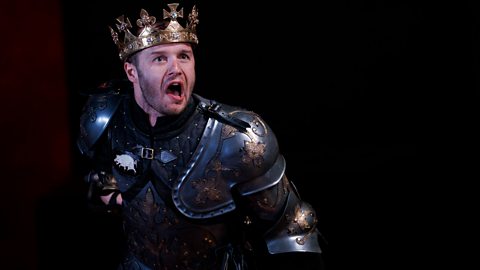
Unit 3 of the CCEA GCSE English Literature qualification is a controlled assessment unit based on the study of a play by William Shakespeare.
Is Shakespeare History? The Plantagenets. podcast
Melvyn Bragg and guests discuss Shakespeare's treatment of English Plantagenet history from Richard II to Richard III and all the Henrys in between, written under Elizabeth I.
More on Richard III
Find out more by working through a topic
- count4 of 5
- count5 of 5
- count1 of 5

- count2 of 5