Wetin African kontris dey do to prevent Ebola spread afta WHO declare outbreak for DR Congo as global health emergency
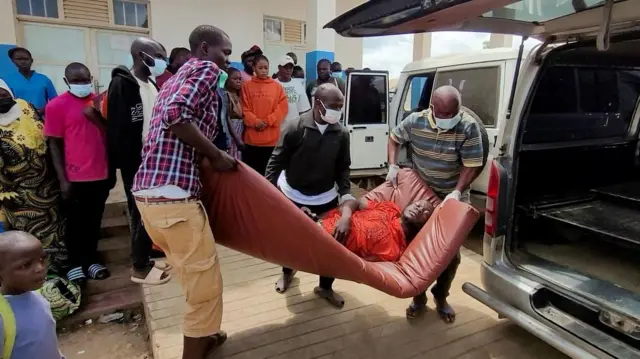
Wia dis foto come from, Reuters
- Author, Thomas Mukhwana
- Role, Africa correspondent
- Reporting from, Nairobi
- Author, Yang Tian
- Published
- Read am in 6 mins
Di World Health Organization (WHO) don declare Ebola outbreak for di Democratic Republic of Congo as public health emergency of international concern.
Di agency say di outbreak for DR Congo eastern Ituri province, wey don get around 246 suspected cases and about 80 reported deaths, no meet di criteria of pandemic emergency.
Di global health body warn say wetin dey happun "big pass outbreak" and currently e pass wetin dem dey report, wit significant risk of local and regional spread.
Bundibugyo virus na di cause of di current strain of Ebola, and di health agency say e no get any approved drugs or vaccines.
Dis article contain content wey X provide. We ask for una permission before anytin dey loaded, as dem fit dey use cookies and oda technologies. You fit wan read di X cookie policy and privacy policy before accepting. To view dis content choose 'accept and continue'.
End of X post
Early symptoms include fever, muscle pain, fatigue, headache and sore throat, and e dey followed by vomiting, diarrhoea, a rash and bleeding.
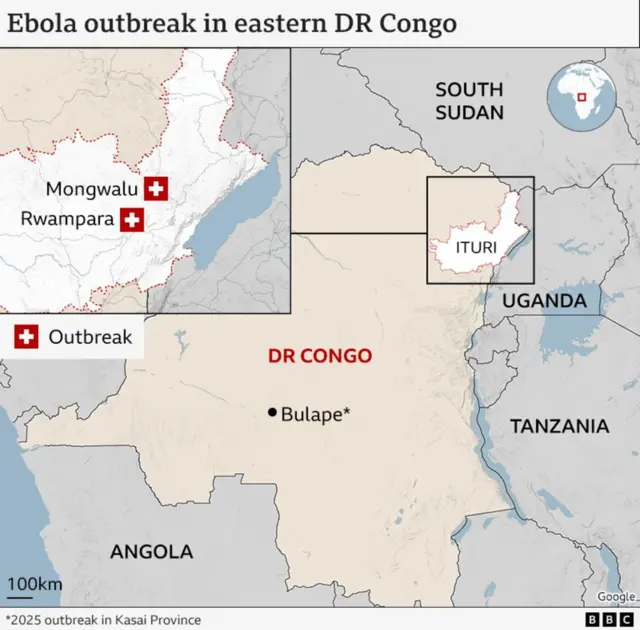
WHO tok say eight laboratory-confirmed cases of di virus don dey, wit oda suspected cases and deaths across three health zones wey include Bunia, di capital of Ituri province, and di gold-mining towns of Mongwalu and Rwampara.
Dem confam one case of di virus for di capital Kinshasa, wey dem believe say na from one patient wey bin return from Ituri.
Di global health agency add say di virus don spread beyond DR Congo, as two confirmed cases dey reported for neighbouring Uganda.
Ugandan officials say one 59-year-old man wey die on Thursday bin test positive of di virus.
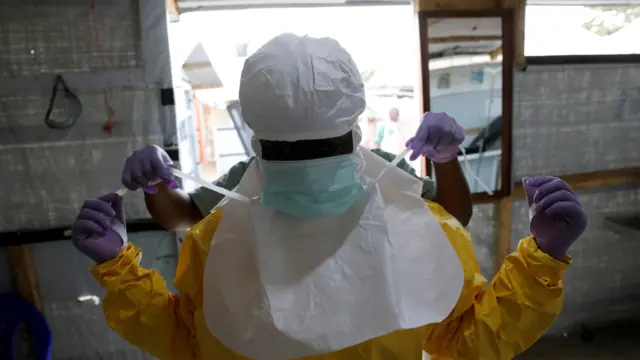
Wia dis foto come from, Reuters
For inside one statement, Ugandan govment say di patient wey die na one Congolese citizen and dem don return di bodi to DR Congo.
WHO tok say di ongoing security situation and humanitarian crisis for DR Congo, join wit high population mobility, urban location of di hotspot, plus di large number of informal healthcare facilities for di region, don increase di risk of spread.
Dem consider kontris wey share border wit DR Congo as high-risk sake of trade and travel.
Di health bodi don advise DR Congo and Uganda to establish emergency operation centres to monitor, trace, and implement infection-prevention measures.
To reduce di spread, di health agency say make dem immediately confam and treat confirmed cases until di two Bundibugyo virus-specific tests wey dem conduct at least 48 hours apart dey negative.
For kontris wey dey share border regions wit confirmed cases, dem advise say make dia govments improve surveillance and health reporting.
WHO add say make kontris outside di affected region no close dia borders or restrict travel and trade as "dat kain measures dey usually implemented out of fear and e go get basis for science".
Director-General of WHO Dr Tedros Adhanom Ghebreyesus warn say currently "di true number of infected pesins and geographic spread" of di outbreak no dey clear".
Wetin Africa kontris dey do to prevent spread of di virus
Since di outbreak, kontris don dey put dia borders on red alert.
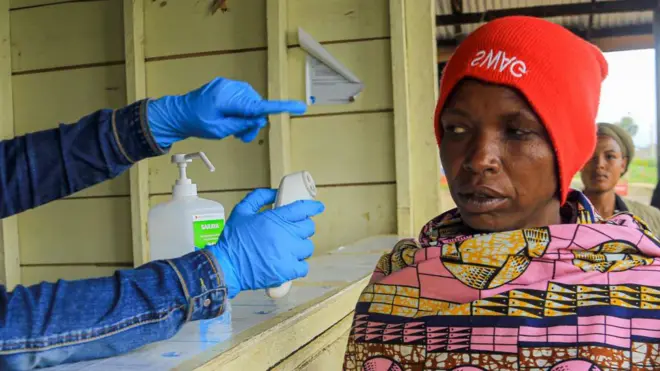
Dem also dey educate dia citizens on wetin dem fit to do to prevent spread of di virus if e enta dia kontris.
Nigeria – Di Nigeria Centre for Disease Control and Prevention (NCDC) say di kontri dey on alert sake of di growing movement across Africa.
NCDC Director-General Jide Idris say di agency dey "monitor mata well" wey dem dey work wit port health services and oda agencies to prepare for di outbreak nationwide.
Di kontri don instruct state leadership to put public health emergency operation centres on high alert.
Di NCDC also bin direct states wit international airports, seaports and land borders to increase vigilance for dose places.
Authorities for Nigeria also say dem bin roll out measures for health facilities to activate electronic platforms wia pipo fit report cases.
States also gatz create isolation centres and stock am well well wit trained staff, clinical protocols and oda medical supplies.
Ghana – Authorities for Ghana say dem activate precautionary measures to prepare and respond to di outbreak. Inside one statement by di health ministry, dem tok say dem enhance surveillance and screening for di airports, seaports and land borders, increase monitoring of travellers wey dey arrive from affected kontris.
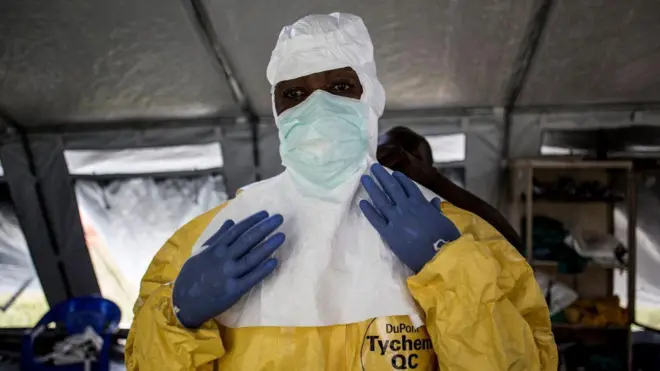
Dem say dem dey train health workers to identify, isolate and manage suspected cases safely.
Di authorities also say dem don activate public health emergency coordination and rapid response systems.
Dem say dem don increase public education, risk communication and community awareness activities.
Di ministry also advise pipo to wash dia hands under running water, use alcohol-based sanitizer and avoid direct contact wit body fluids of sick pipo.
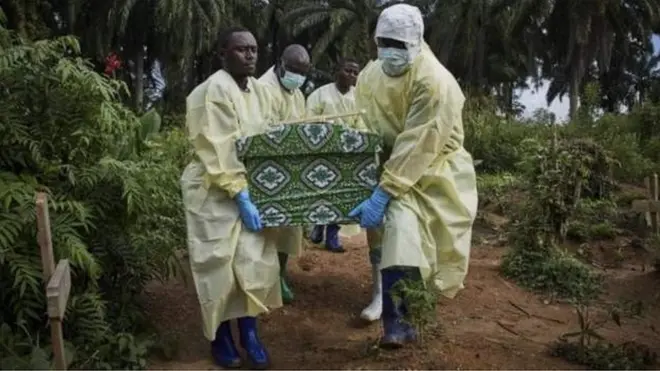
Dem also warn pipo to avoid handling deadbodi witout protection and warn pipo say make dem no chop sick or dead wild animals.
Rwanda – Di kontri say dem dey tighten security for dia borders as dem tok say di kontri neva record any case of di virus yet. Inside one statement on 17 May, di ministry say dem dey monitor di situation for eastern DRC.
Authorities say, "Health teams dey at alert and surveillance systems dey strengthened to ensure early detection and rapid response."
Di Rwanda health ministry say dem dey work wit national, regional and international partners to protect public health and prevent cross-border transmission of di virus.
Dem say make pipo follow hygiene protocols like washing dia hands and reporting suspected symptoms.
Dem first discova Ebola for 1976 for wetin now be DR Congo and belief be say e dey spread from bats.
Dis na di 17th outbreak of di deadly viral disease for di kontri.
E dey spread through direct contact wit bodily fluids and through broken skin, and e dey cause severe bleeding and organ failure.
No proven cure for Ebola, and di average fatality rate dey around 50%, according to di WHO.
Africa CDC previously tok say dem dey concerned by di high risk of further spread sake of di urban settings of Rwampara and Bunia, and mining activities for Mongwalu.
Di health agency executive director Dr Jean Kaseya add say di "significant population movement" between di affected areas and neighbouring kontris also mean say regional coordination dey important.
Around 15,000 pipo don die from di virus for African kontris ova di past 50 years.