What is proofreading?
This page has been put together to help you practise and revisit some of the brilliant skills you’ve learned all through primary school.
It’s a great way to boost your confidence in English and get you ready for the exciting next step into Year 8!
Proofreading is the process of carefully checking a piece of writing to find mistakes, correct errors and improve clarity.
Even confident writers make mistakes, so proofreading is a key skill in becoming an independent, successful learner.
Why is proofreading important?
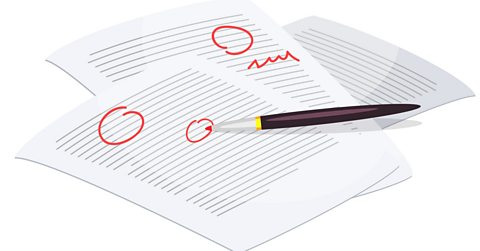
Proofreading your own work helps you to:
- improve the accuracy of your writing
- check your work to spot any errors
- learn from mistakes
- present work clearly and confidently
The more you read and practise proofreading, the easier this skill will become!
Proofreading checklist
Here is a useful checklist to help you proofread a piece of text.
Capital letters Have they been used at the start of sentences and for proper nouns?
Punctuation Have full stops, question marks, commas and speech marks been used correctly?
Verb tense Are the verbs in the correct tense and consistent?
Spelling Do the words look right? Are there any added or missing letters?
Homophones Does it include the correct word (eg to / too / two, their / there / they’re)?
It helps to read slowly, one sentence at a time, and to tick off each item as you check.
Homophones
Homophones are words that sound the same but have different meanings and spellings.
Common examples of these are there/their/they're and to/too/two.
• there – shows a place (over there)
• their – shows ownership (their bag)
• they’re – short for they are
• to – shows direction (go to school)
• too – means also or more than enough
• two – a number
Choose the correct homophone:
I want ____ go home ____. (to / too / two)
I want to go home too.
Quiz time!
Common errors to check
Spelling:
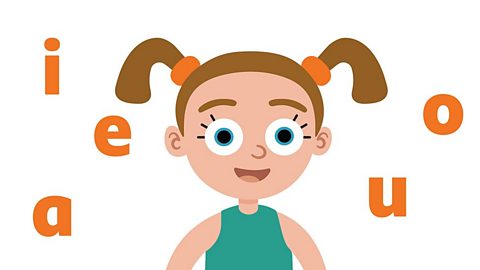
check for missing letters or extra letters
watch for double consonants
remember spelling rules such as ie / ei
Grammar:
check verbs are written in the correct tense
make sure adjectives describe the correct nouns
remember that proper nouns have capital letters
Punctuation:
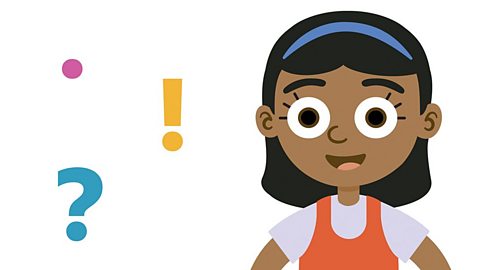
there should be full stops at the end of statements
question marks at the end of questions
commas in lists
capital letters at the start of sentences
speech marks around spoken words
exclamation marks for strong emotion or danger
Test your knowledge
Top tip
Remember
Always proofread in stages.
A good way to do this is to check capital letters and punctuation first, then spelling and homophones, and finally grammar and verb tense.
Activity: Place the correction onto each mistake
Brain boost
Think about these questions to stretch your thinking and sharpen your skills!
Why is proofreading important before sharing your work with others?
Can you think of a time when a spelling mistake changed the meaning of a sentence? Share your example.
How can proofreading help you become a better writer over time?
Have a chat about your answers with a parent, teacher or your class.
More on Practise and revise KS2 English
Find out more by working through a topic
- count9 of 13
- count10 of 13
- count11 of 13
- count12 of 13