| You are here: BBC > Science & Nature > Prehistoric Life > TV & Radio > Wild New WorldWild New World - Animals past and present |
| | | |
|
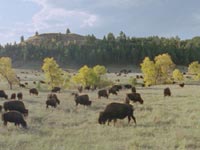
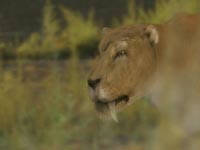
| America's SerengetiMany people travel to North America to watch wildlife. Grizzly bears, moose and bison are among the impressive animals on view, but today's wildlife is nothing compared to what the first people on the continent would have seen. Twelve thousand years ago, parts of America resembled Africa's Serengeti. They were filled with herds of camels, llamas, several species of extinct horse and, of course, bison. Towering above these were huge woolly and Columbian mammoths and American mastodons. There were beavers and capybaras the size of bears and the bears were bigger still. The giant short-faced species outweighed even the largest of today's polar bears. Glyptodonts, distant relations of the armadillo, moved around like small armoured tanks and there were several species of ground sloth, the largest of which, the giant ground sloth, weighed as much as an elephant! Among them were some of the most awesome predators that ever lived. The scimitar-toothed cat, the American lion (the same species as those now found in Africa) and, most notorious of all, the sabre-tooth. But what happened to all these creatures? Next - Lost heritage
| |
| |
|
|
 |