Ethiopia town of Hossana kpai at least 400 dogs ova deaths of three children
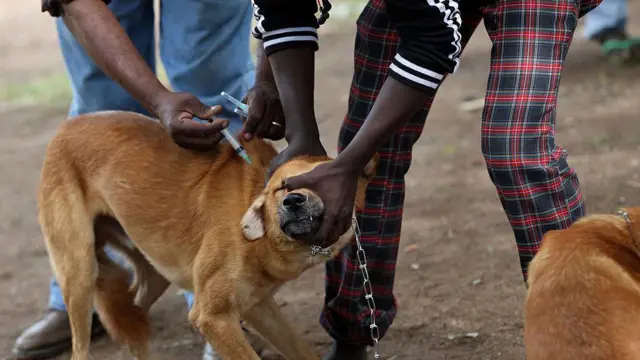
Wia dis foto come from, Chris Sweda/Chicago Tribune/Tribune News Service via Getty Images
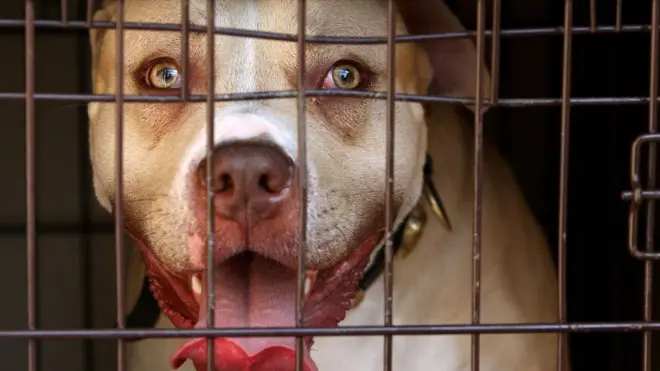
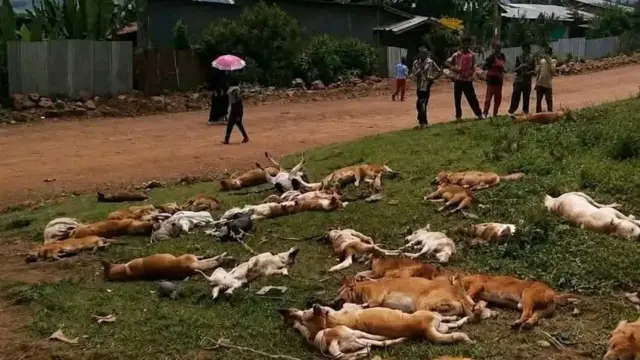
Pipo for Ethiopia town of Hossana don kpai at least 400 dogs afta series of deadly dog bites mount di area.
Di residents and officials of Hossana town for Central Ethiopia region say di killings bin start afta three children kpai from rabies-related complications.
Tori from eyewitnesses tok say neighbourhood representatives bin tell residents say dem need to kill dia dogs, weda dem don get vaccination or not.
Owners bin dey forced to use rope take strangle di dogs or beat dem till dem kpai.
Dem tell pipo wey no gree to kpai dia dogs say dem go chop fines wey reach 50,000 Birr ($300) and dem even fit arrest dem join.
One of di residents bin tell di BBC on condition say dem no go name am, say di killings bin start afta two siblings bin die due to dog bites.
E tok say "even though dem don run vaccinations, neighbourhood representatives bin start campaigns to kill all dogs no mata dia health status or weda dem don collect vaccine or not".
Di resident add: "Dem bin force owners to kill dia own dogs and use di local community associations to announce say unless di owners do am, dem go face fine of 50,000 Birr ($300) and arrest.
"Dem alreadi start to dey enforce am for days bifor di city administration kon later write letter give di local administrators to stop am."
One veterinarian wey view di kasala, Alaazar Kebede also add im voice give BBC say even though dem dio vaccination, neighbourhood representatives bin launch campaign to kill all dogs.
"We reason say like 400 to 450 dogs bin dey killed in just few days.
"Pipo drag dia dogs comot house and kill dem in shocking ways. E dey immoral, and unacceptable in religion, culture and law. E dey illegal and and must dey accountable legally. Videos bin show as di owners dey cry as dem dey kpai dia dogs. As vet I dey sad o! Di killings start last Thursday and last four days and we dey get informate say e neva stop," Kebede tok.
Mayor of Hossana town Samuel Shigute bin confam say three children die from rabies last week and say 80 pipo dey recieve hospital treatment.
E clear di air say no be di town administration order di killing and say dem bin stop di campaign within half a day.
Oga Shigute tok say "from one house, two siblings wey dey grades 6 and 8 for school kpai and den anoda 14 years old pikin kpai afta e land for hospital".
Shigute add: "Na so community members start to dey kill dogs illegally.
"For Hossana, dem be about 10,000 dogs and out of dat number, 7,000 of dem dey vaccinated. Di killings bin first start for one local administration, but we use police and security take stop dem in one day. Now, no killings dey happun anywia for town,"
Wetin be rabies?
According to di World Health Organisation (WHO), rabies na serious health problem wey dey disturb ova 150 kontris and territories. Dem say na viral zoonotic disease wey dey affect di nervous system.
Di tin about rabies be say once di virus don infect di central nervous system and clinical symptoms appear, na die be dat.
But since na mostly dog bites and scratches dey cause 99% of human rabies cases, di disease fit dey prevented by dog vaccination and bite prevention.
But rabies death fit dey preventable bifor e reach death level..
WHO advise say anybodi wey dey bitten or scratched by potentially rabid dog make e go find PEP care sharparly.
PEP na post-exposure prophylaxis wey dey stop di virus make e no reach di central nervous system.
Di procedure of PEP na by thorough wound washing, giving di affected pesin human rabies vaccine and if e necessary, dem go give di pesin rabies immunoglobulins (RIG).
Tori be say rabies dey kpai around 59,000 pipo evri year and most of dem na Africans and according to WHO, children wey dey between di ages of five and 14 years na dem be di most common victims.