'Wen pipo start to run, di aircraft begin kpai dem' - Survivors of Nigerian Air Force airstrikes for Borno tok wetin dia eye see
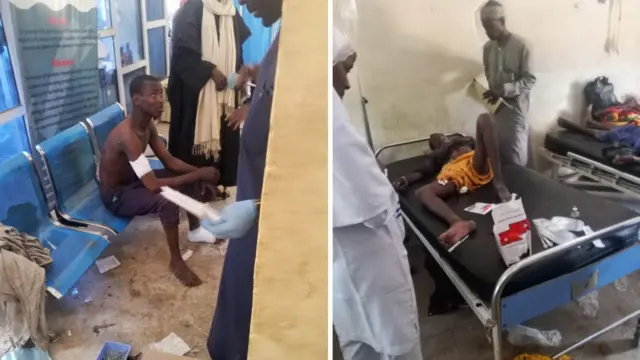
Wia dis foto come from, Hajiya Sa'adatu Maina of Neptune Prime - Damaturu
Survivors of di Nigerian military airstrikes wey happun for di northeast tell di BBC how bombs bin hit busy market wey kill and injure civilians.
Di survivors say di bombs bin make pipo panic and dem begin dey run comot to find safety.
Di survivors account dey come afta reports say di Nigerian military jets wey strike di village market kill many civilians.
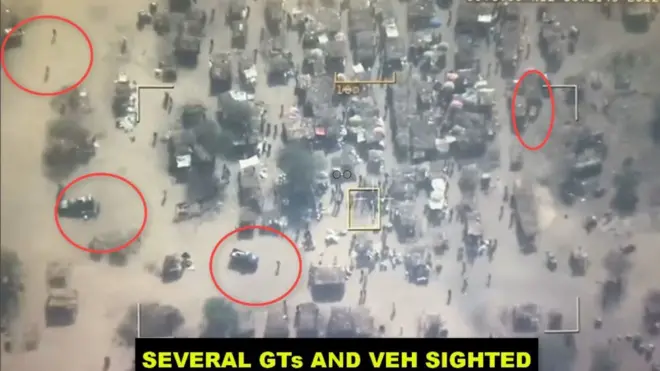
Although di Nigerian military don defend di airstrike on Jilli village market near di Borno-Yobe border for di northeast of di kontri on Saturday, 11 April.
Jilli na border community between Gubio Local Govment Area of Borno State and Geidam Local Govment Area of Yobe State.
Di area dey di centre of di long-running Boko Haram insurgency, wey don force more dan two million pipo to run comot dia homes and kpai thousands of pipo.
Witnesses say traders, women and elderly pipo dey among dose wey dey for market wen di first explosion bin first strike.
'I dey market wen di first attack happun' - Victim narrate
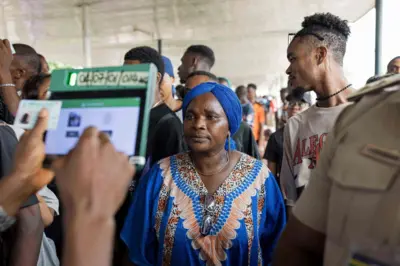
Di victim follow BBC tok how she experience di bomb. As she dey sit for di hospital bed wit piercing on her nose and yellow hijab, she still look lost and shocked at di reality of wetin don happun.
She say many of dose wey dem kill na women and elderly pipo.
"I bin dey for market wen di first attack happun," di woman tok.
"I rush to see if di pipo I know dey among di victims. Den anoda attack happun, and I become one of di victims."
Anoda survivor say no warning bin come bifor di explosions happun.
"We no know say somtin like dis go happun. E happun suddenly," e tok.
Di victim sit on di floor wit 'im upper and lower arm inside white bandage. E be like say di hospital don run out of bed spaces as some pipo dey turn to plastic mat wey dey for dusty floor.
Di victim describe wetin e hear say na di first gunshots for mid afternoon.
Anoda respondent wey sit for ward wey air no too dey and for di middle of oda wounded survivors say many of dose wey injure suffer serious burns and odas dey badly injured.
"Around three o'clock, we hear somtin like gunshots, but na bomb. Wen e land, pipo begin dey run away from di market," e tok.
E explain say di aircraft return as pipo try to escape.
"Wen pipo start dey run, di aircraft start dey kpai dem," e tok.
"We no sabi di number of pipo wey kpai, but dem many," e add "Di majority of di pipo wey die na civilians and traders."
Di man say e dey sell knives and cutlasses for di Jilli market.
Casualty figures remain unclear, wit different reports. Di BBC neva independently verify di number of pipo wey kpai.
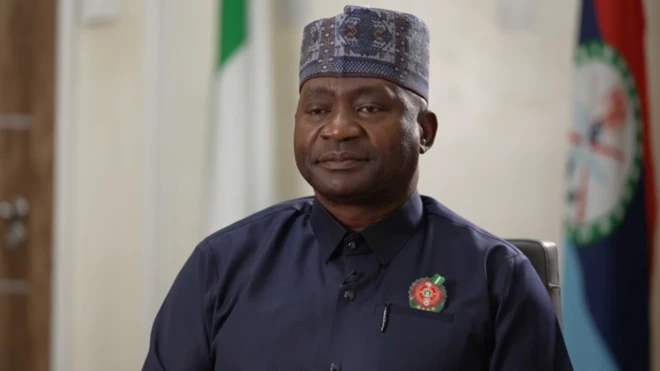
Di Nigerian Air Force say dem don launch investigation into di incident afta reports emerge say civilians dey affected.
For dia statement, di air force say dem go treat all allegations of civilian harm "wit di utmost seriousness and empathy".
Dem add say di Chief of Air Staff don order di immediate deployment of di Civilian Harm Accident and Investigation Cell to carry out fact finding mission.
Earlier, di military say di airstrike na part of one operation wey target Islamist militants and e dey based on intelligence wey suggest say fighters dey use di area near di Yobe and Borno border.
Dem initially describe di operation as precision strike on terrorist hideout.
Rights groups, including Amnesty International, question di account and call for independent investigation. Dem say dem tok to survivors and medical staff wey report heavy civilian casualties.
Nigeria northeast dey battle violence for more dan 10 years, afta insurgency launch for 2009 by di armed group Boko Haram.
Di group later scata, wit one faction joining wit di so called Islamic State group, becoming known as Islamic State West Africa Province, or Iswap.
Di conflict don destroy Borno, Yobe and Adamawa states, killing tens of thousands of pipo and forcing more dan two million odas from dia homes, according to di United Nations.
Large rural areas remain insecure, wit militants frequently targeting communities, aid workers and security forces.
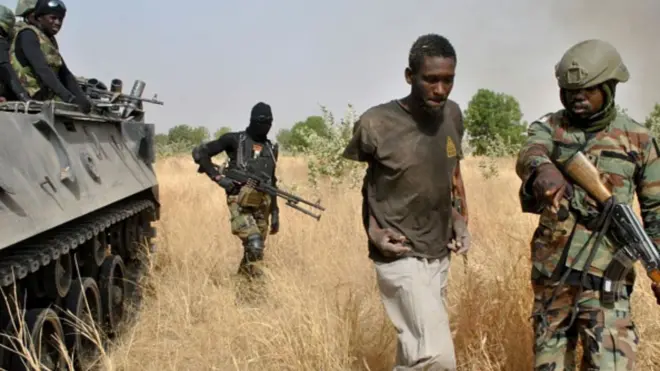
In response, Nigeria military dey rely on air power to strike insurgent hideouts for remote and forested areas.
But several air operations ova di years don result in civilian deaths linked to faulty intelligence or difficulties to differentiate fighters from civilians.