Tentative hope for Gaza, as important questions remain unansweredpublished at 21:14 BST 31 July
 Kwasi Gyamfi Asiedu
Live reporter
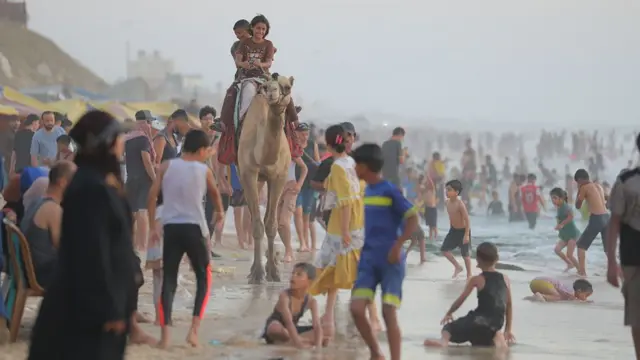 Image source, Getty Images
Palestinians flock to the beach in Gaza City on Friday
A key step in the 20-point Gaza peace plan appears to have been reached, but there is still a long way to go for lasting peace and recovery in Gaza.
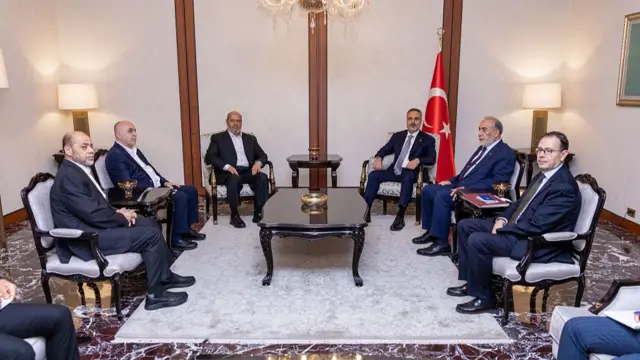
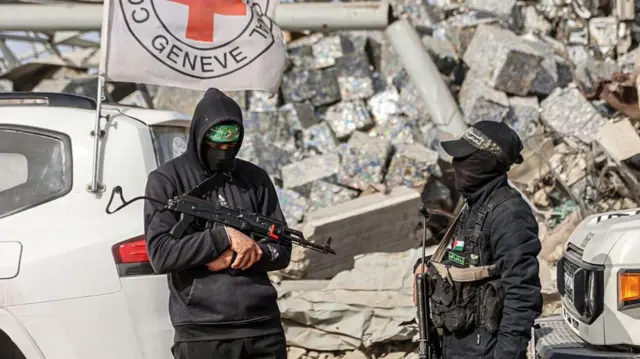
Hamas has agreed to a plan with international mediators to lay down its heavy weapons on condition that Israeli forces fully withdraw from the Gaza territory.
But several important questions remain unanswered about implementation of this agreement.
- Who would actually take possession of the weapons?
- In what sequence will the plan happen - disarmament first, or Israeli withdrawal first?
A senior Israeli official said today "there will be no IDF withdrawal from the current Yellow Line without the genuine disarmament of Hamas".
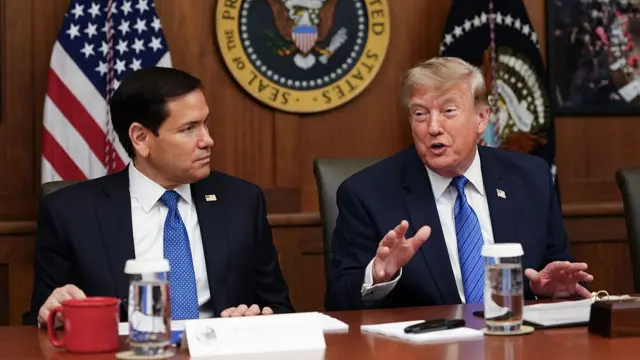
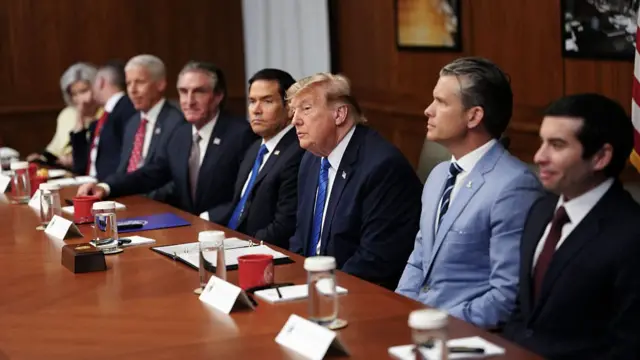
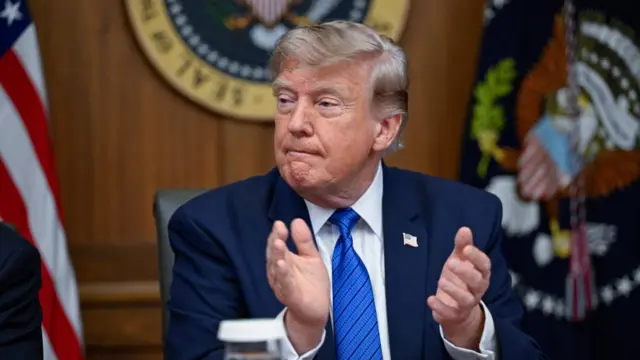
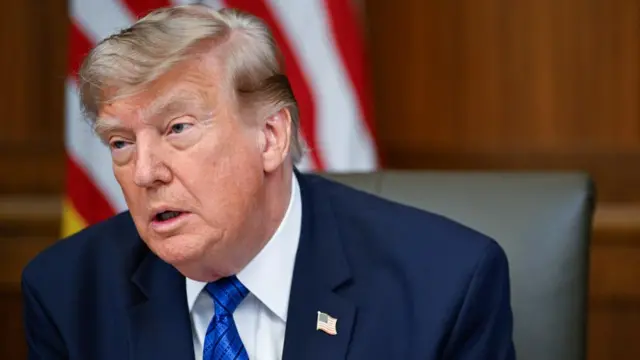
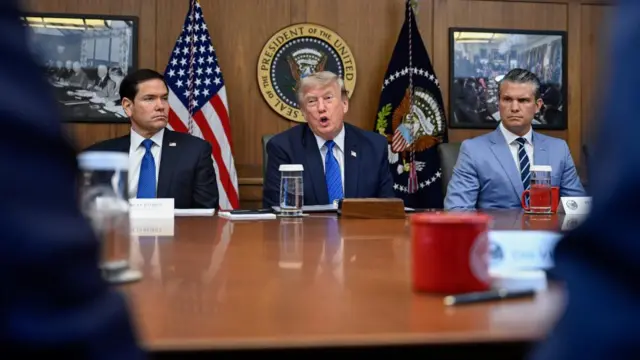
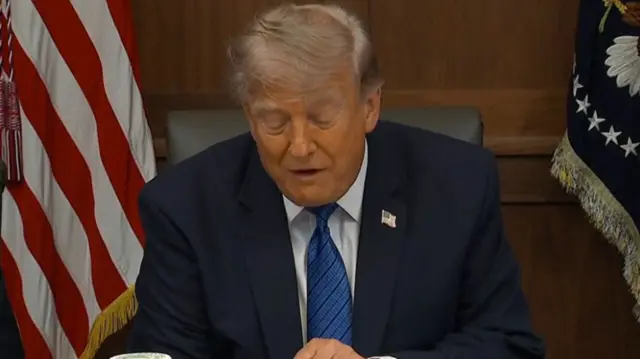
But speaking at Camp David, US President Donald Trump appeared optimistic, describing the agreement as "a big step for the Middle East" while acknowledging the "very complex situation" at play.
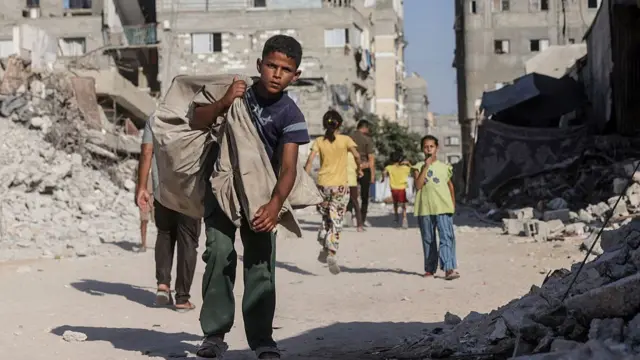
Despite these obstacles and uncertainty, the agreement by Hamas offers rare hope for ordinary Gazans who have endured years of a particularly brutal war, writes the BBC's international editor Jeremy Bowen.
We are ending our live coverage now but you can read more here