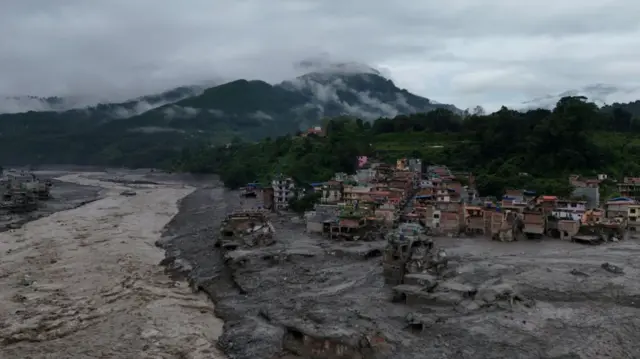
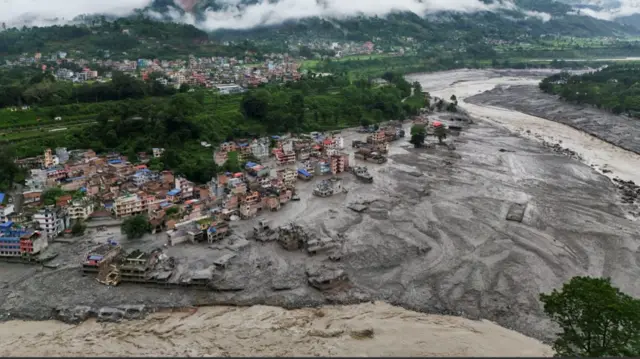
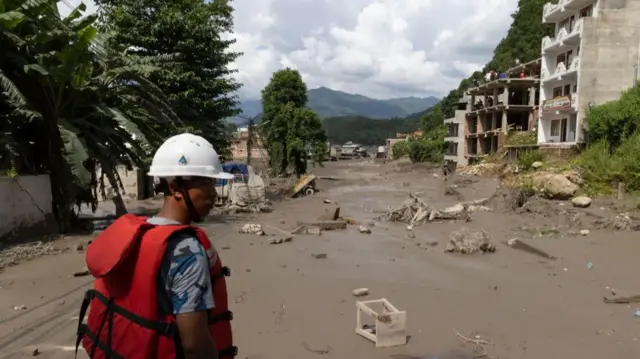
Gyirong - the border crossing that was destroyed by the floodpublished at 12:22 BST
 Laura Bicker
China correspondent
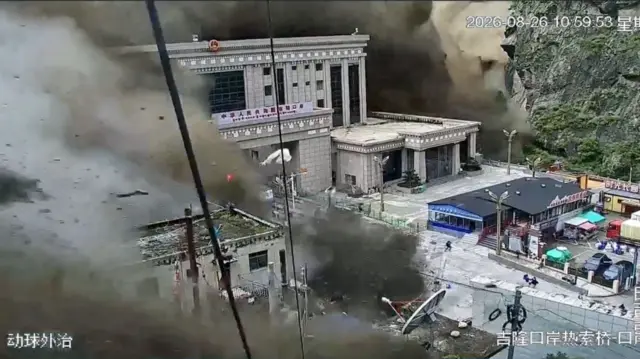 Image source, Reuters
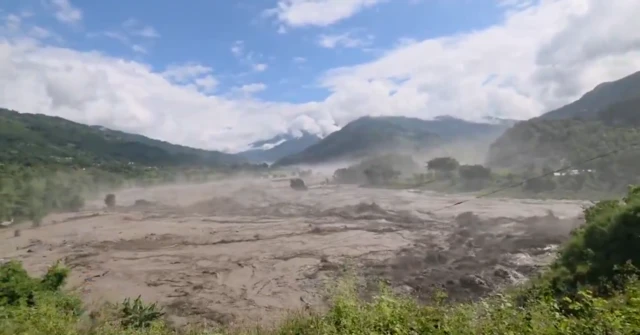
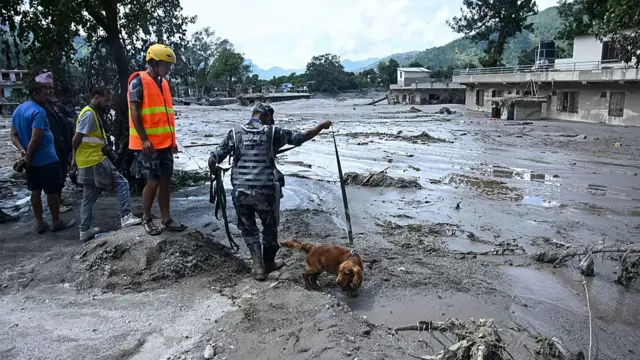
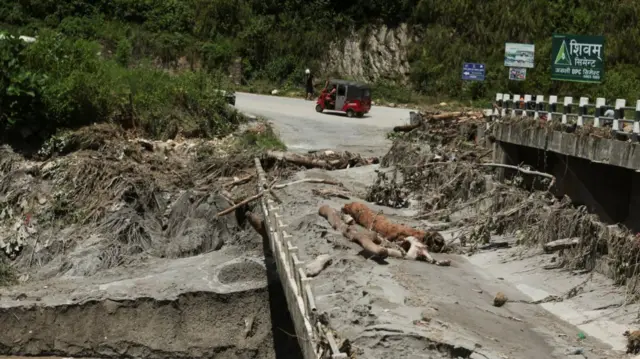
Gyirong port has become the focal point of the disaster for rescue teams in China.
Dramatic footage from surveillance cameras appeared to show the grand building marking the border being swept away by torrents of mud and water as hundreds of people ran for their lives.
The building sat in the deepest of the five Himalayan valleys and had become a thriving hub after an earthquake in 2015 damaged other routes.
It was the main passageway for tourists making their way between Nepal and Tibet. More than 100,000 people passed through in the first half of this year and it handled more than 30% of all Chinese-Nepali trade.
Some social media users in China are questioning why the government decided to place such an important port in a deep valley in a geographically unstable region.
Last year, 17 people were killed after severe rainfall led to a massive mudslide and triggered flash floods.
However, history plays a part especially in a mountainous region where only valleys offer a passageway through the Himalayas between the two countries. For more than 1,300 years this port was used by nomadic herders, Nepali traders and local villagers.