| 13 November 2014 |

| |
| BBC Homepage | | |
| |||
| Contact Us | | |
Bradford: City of FilmYou are in: Bradford and West Yorkshire > Places > Bradford: City of Film > Celebrating a film first for Bradford! Celebrating a film first for Bradford!"Flattered, privileged, and proud!" That's how Bradford-born film producer Steve Abbott's been telling us he feels at the news that Bradford will be the first ever UNESCO City of Film. 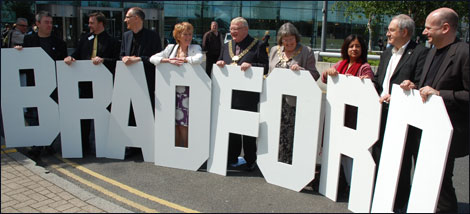 A big day for Bradford! Born and bred right here in Bradford, Steve Abbott is perhaps best known as the producer of some of the most perennially popular British films. Not only did he bring such titles as A Fish Called Wanda and Brassed Off to our screens; he was even on the crew of Monty Python's The Meaning of Life - also filmed here in Bradford - for which he was credited as being 'not the production accountant'. 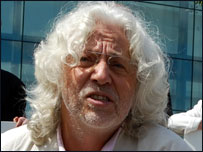 Bradford bred: Film producer Steve Abbott But Steve is also Chair of Bradford City of Film and has been very involved in bringing this accolade home to West Yorkshire. He says: "We will always be the first UNESCO City of Film. We are the first UNESCO cultural city in England [Edinburgh is a City of Literature and Glasgow is a City of Music]...We join a very small network of good international cities. Let's make the most of it."
Steve is in no doubt as to why Bradford was chosen: "To get this award - and they've scrutinised our bid very closely - we've had to rely on our film heritage which is absolutely brilliant, our position as a great film location both in terms of rural and urban environments but the clincher is the National Museum and its festivals. There are other major cities that might claim to have made as many important films as us or given birth to Oscar winners, movie stars and so on but there are none that have the ace up their sleeve of having the National Media Museum. I think that's why they gave us it, that's why we deserve to win it. It's fantastic." Until this moment, Steve believes, Bradford has not been on the movie map but now anyone who lives or works here can point to the recognition the city has received from UNESCO. The important thing now is to get Bradfordians feeling they are part of it: "We've already got programmes giving young people access to cameras, editing equipment and the encouragement to make their own films. We've got projects going on in schools and workplaces to get an appreciation of cinema going. I won't be happy if on a local level people aren't taking part in more things at the museum. I know the attendance figures are good. I want them to be better - more people attending the Festival, more public screenings and the Big Screen. It shouldn't be just something for an elite of people who make movies like I've done, or who come to the museum regularly." 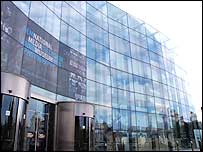 "The clincher is the National [Media] Museum" Growing up in Barkerend Road, Steve is one of those who found inspiration in Bradford's rich film heritage - scenes in Billy Liar were filmed just up the road. He adds: "I want Bradford to be the first place anyone thinks of in this country, whether it be for media literacy in schools or film clubs or just making short films. I want all of that to be encouraged and that will be how I measure the future going forward." Steve doesn't think that the UNESCO title will turn Bradford into a Hollywood overnight but he's sure it will bring long-term economic benefits to West Yorkshire. Not only do film crews spend money on a wide range of services when they are in the area but films play a big part in tourism: "People love the cinema and they like to see where things are made." Now UNESCO has done its bit, it is now up to people in the city to make Bradford not just the first but a great City of Film. Steve says: "What I hope we become, is a hot spot for filmmaking, whether film locations or talent...It's really only just beginning. It's a blank canvas...Let's make the most of it!" last updated: 19/06/2009 at 15:17 SEE ALSOYou are in: Bradford and West Yorkshire > Places > Bradford: City of Film > Celebrating a film first for Bradford! [an error occurred while processing this directive] |
| | About the BBC | Help | Terms of Use | Privacy & Cookies Policy |