Different materials
Different Things that are used, sometimes to make other things. have different The characteristics of something. In chemistry, chemical properties include the reactions a substance can take part in. Physical properties include colour and boiling point., but they may also have some properties in common. The table summarises some of the typical properties of glass and clay ceramics, and metals.
| Glass ceramics | Clay ceramics | Metals | |
| Appearance | Transparent | Opaque | Shiny |
| Melting point | High | High | High |
| Malleable or brittle | Brittle | Brittle | Malleable |
| Ability to conduct electricity | Poor | Poor | Good |
| Ability to conduct heat | Poor | Poor | Good |
| Appearance | |
|---|---|
| Glass ceramics | Transparent |
| Clay ceramics | Opaque |
| Metals | Shiny |
| Melting point | |
|---|---|
| Glass ceramics | High |
| Clay ceramics | High |
| Metals | High |
| Malleable or brittle | |
|---|---|
| Glass ceramics | Brittle |
| Clay ceramics | Brittle |
| Metals | Malleable |
| Ability to conduct electricity | |
|---|---|
| Glass ceramics | Poor |
| Clay ceramics | Poor |
| Metals | Good |
| Ability to conduct heat | |
|---|---|
| Glass ceramics | Poor |
| Clay ceramics | Poor |
| Metals | Good |
Glass ceramics
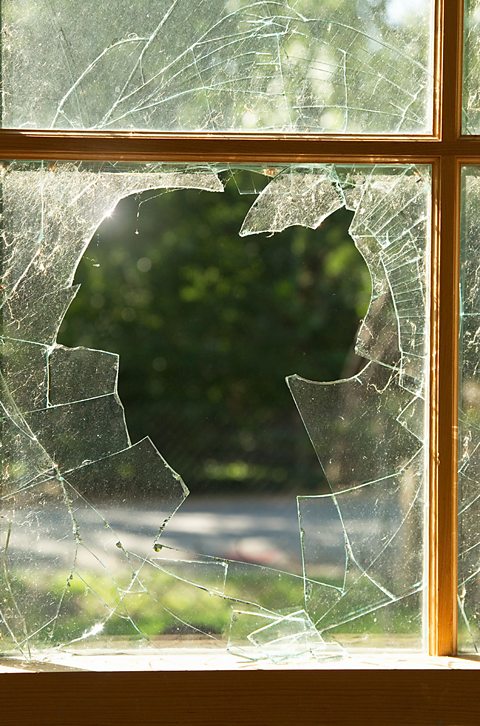
Glass is made by melting sand, then allowing the A term used to describe a liquid substance (eg rock, glass or metal) formed by heating a solid. liquid to cool and solidify. Glass is Able to be seen through. and Able to resist wear, scratching and indentation., but it is If something is brittle it is easily broken..
Clay ceramics
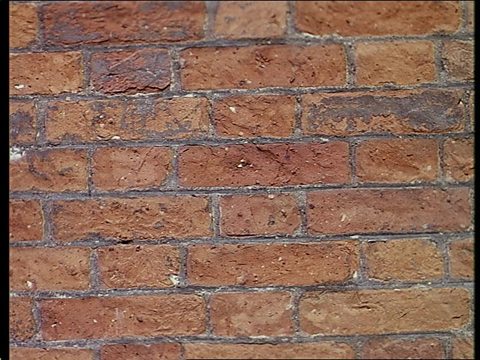
Clay ceramics include brick, china and porcelain. They are made by heating clay to high temperatures, which causes A solid containing particles (atoms, molecules or ions) joined together to form a regular arrangement or repeating pattern. to form and join together. Clay ceramics are often coated with a glaze, which hardens on heating to form a hard, smooth, Not transparent or see-through. and waterproof layer.
Metals
Shiny element that is a good conductor of electricity and heat, and which forms basic oxides. are Capable of being hammered or pressed into a new shape without being likely to break or return to the original shape. and A ductile material is capable of being drawn into thin sheets or wires without breaking., so they can be bent into shape or made into wires without shattering. Unlike glass and clay ceramics, metals are good electrical A material which allows charge to move easily through it..
