Exploring existing designs
When a designer is developing a new design it is useful to analyse existing products to see how successful they have been and identify any areas in which they could be improved.
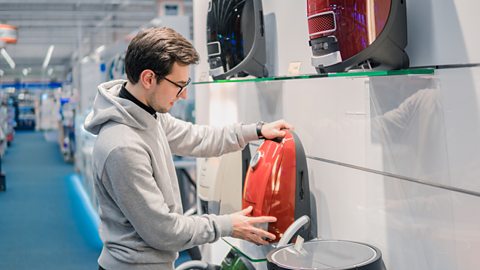
This process helps the designer in a number of ways:
- it helps to avoids copying other designers' work - this is called plagiarism
- it identifies features or aspects of existing products that could be improved, eg reducing the cost, adding extra features, making it easier or more comfortable to use or making it look more attractive to certain groups
- it can identify technologies or ideas that could be transferred or applied to a new function or area
The research from analysing existing products can be collated and used to inform your Document containing details of a product's required characteristics, and all the processes, materials and other information needed to design the product. and design ideas.
A design specification can also help work out the cost of manufacturing a product, including how much material is needed and what machinery is required. The percentage profit can be worked out from this and can be improved by lowering production costs, eg by using cheaper materials or fewer workers.
The following questions can help a designer decide what success criteria will form their design specification:
- Aesthetics - What does the product look like? What is the colour, texture, pattern and decoration of the product?
- Client and user requirements - Who would buy the product and when would they use it? How well does the product do its job when compared to others? How marketable is it to the user?
- Environment - Is the product sustainable and/or produced in an environmentally friendly way? Is it recyclable? Can it be easily repaired rather than thrown away?
- Size - What is the size of the product? Is it comfortable to use? Is it the similar size to other products with the same use?
- Scale of production - Which processes were used to make the product? Which type of production method was used (one-off, batch or mass)?
- Cost - How much did it cost to make? How much does it cost to buy? Is it good value?
- Function - What is the function and purpose of the product? How well does it work? Could it be improved?
- Materials and components - What materials and components have been used to make the product? Why were these materials and components used?
