Sign up to the BBC Bitesize newsletter! External Link
For home education news and stories plus updates on the latest Bitesize content, register for our newsletter today.

When should my child start preparing for GCSEs?
Whether your child is at school or being educated at home, preparing for GCSEs and other qualifications may be on your mind.
The majority (91%) of children take GCSE exams in England in Year 11, and over half of them take eight or nine GCSEs (53.5%).
But there are many options for how and when your child takes these exams, and at what age they can start preparing for them.
What age should my child take their GCSEs?
When considering age in home education, you have flexibility around when your child sits exams, if at all. Home educated children do not have to take GCSEs or other qualifications, but they do need to receive an adequate, full-time education.
In England, Wales and Northern Ireland GCSEs, or in Scotland National 5s, are most commonly taken when children are aged 14 to 16, but they can be taken at any age, depending on the child or adult’s education and ability.
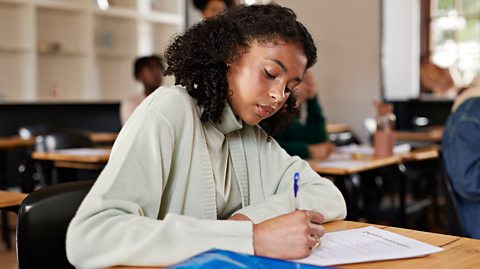
Some home educated children choose to study for a few subjects at a time and take the exams, for example aged 11 to 14, then move on to another set of subjects and exams aged 14 to 16.
All students can also take exams later than average: in 2024, 7% of GCSE entries were from people in the equivalent of Year 12 or above.
Your child might also decide to take Functional Skills maths or Functional Skills English, or BTECs (vocational qualifications) in subjects they enjoy.
Children who are bilingual or speak English as a second language may take a GCSE in their native or dual language in their early teens, “if the content isn’t the challenge for them”. But it also depends on, “the structure of the exam or whether they’re emotionally mature enough to sit that exam,” according to Jessica Lobbett, Headteacher at The Castle School in Thornbury.
When should my child start preparing for their GCSEs?
Ms Lobbett says that while the curriculum starts in Year 10 for GCSEs, children have ideally been preparing since Reception in primary school.
Years 7 to 9 are designed to make sure children, “have developed the knowledge and skills so they’re ready”. This includes students cultivating the mental wellbeing they’ll need to undertake GCSEs and the ability to write for long periods of time - something you should consider if you’re thinking of putting your child in for GCSEs at a younger age.
At home, you can prepare your child by helping them develop resilience and skills such as:
- Sitting and focusing on a topic
- Holding a pen and writing for longer periods of time
- Developing independent learning and critical thinking skills
- Learning revision techniques such as flashcards and mind-mapping
- Splitting revision into manageable 20-minute chunks
- Building mental resilience through time management and handling stress.
You and your child will need to decide on the best approach for them. If you’re home educating and your child is physically and emotionally mature enough, you can sign them up for exams at a private centre.
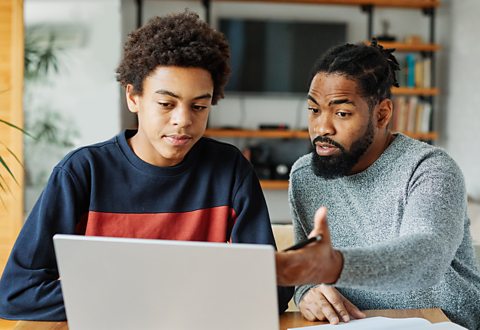
How else can I help my child prepare for exams?
“They’re still really young and it’s about teaching healthy routines for them.” – Headteacher Jessica Lobbett
Ms Lobbett suggests it’s better to not let children, “have phones near them at night time and during revision.”
She advises replicating the consistency of routine you’d find in school, at home. “Don’t let them sit on their bed with their books around them, they need a table, it needs to be quiet… replicate an exam condition [for them] when they’re revising – it helps as part of recall [later on].”
Andy Conway is Headteacher at The Costello School in Basingstoke. He says effective revision is about habits rather than subject knowledge: “Focus on what your child can control, like revision routines, sleep and organisation.”
As well as a “clear study space”, reducing distractions, “keeping consistent routines” and “encouraging breaks”, Mr Conway recommends, “starting early to focus on habits, rather than cramming, and help them to stay organised: use planners, track deadlines and break coursework into small steps”.
“You don't need to be a subject expert; your interest, encouragement and belief will make a real difference.” – Headteacher Andy Conway
Mr Conway says as a parent you can support your child by being curious: “Show real interest in what they’re learning, rather than focusing on grades. Ask open questions such as: What did you find interesting today? What was challenging this week? What's your plan for this subject? Praise effort, organisation and resilience, not just outcomes.”
What about coursework and practical work?
While many GCSEs currently focus on exam-style assessment, some subjects, such as Art and Design, Drama and PE, also involve coursework, portfolio or practical work:
- Get to know the specifics of the exam board your child is studying for
- Help them learn how to plan and manage their time effectively
- Take an interest in what they’re making or practising
- Look, watch or listen to what they’ve prepared, if they want you to
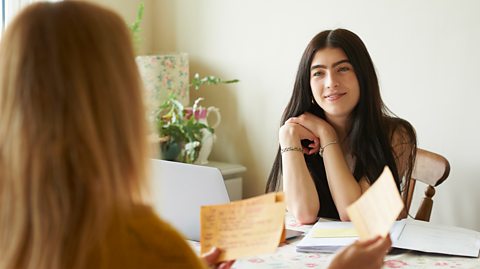
What about balancing studying for lots of different subjects?
One of the challenges can be when your child is studying for several subjects at once. Andy Conway suggests helping your child see the bigger picture by:
- Looking at deadlines and upcoming assessments across all subjects each week
- Prioritising tasks and tackling harder subjects first
- Setting regular homework and revision times: short, consistent sessions are better than long, irregular ones
- Encouraging balance across subjects and breaking work into manageable chunks
Where can I find more tips and advice for exam revision?
Visit Bitesize Study Support for helpful advice on study skills, exams and revision and wellbeing, plus articles with useful tips like:
- How to make studying fun
- The best memory hacks to help your revision
- Three tips to help you understand your exam paper
This article describes a project to offer home-educated children entry to GCSE exams free of charge.
Where can I find more support for home education and parenting?
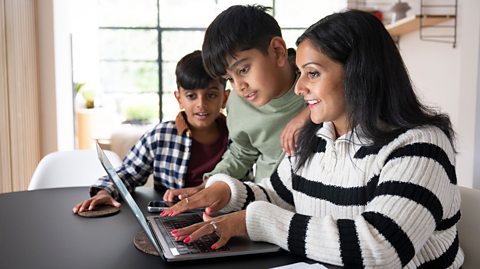
The BBC Bitesize home education collection is designed to support you and your child’s learning at home with free downloadable resources, advice articles and videos for children aged two-to-five years old, five-to-11 years old and 11-to-16+ years old.
Bitesize Parenting is the go-to place for the whole parenting community to find stories, expert advice and fun activities.
If your child has special educational needs or disabilities, be sure to check out the Parenting SEND collection. Bitesize has a collection of Sensory Stories, an immersive video series of unique sensory adventures for children with additional needs.
For more information about home education, this BBC News article covers the rise in families deciding to educate their children at home.
