Applied anatomy and physiology
Muscular system - Cambridge OCR
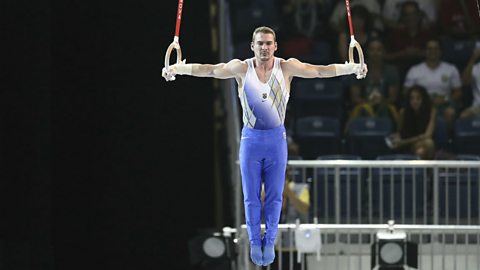
This system is mainly concerned with producing movement through muscle contraction. This section explores the different types of muscles in our body and their involvement in sporting activities.
Skeletal system - Cambridge OCR
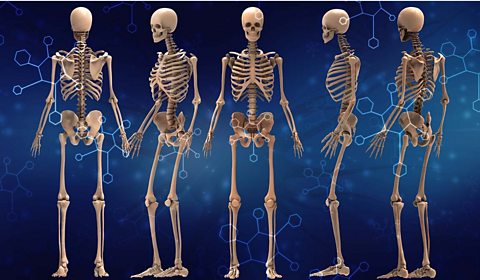
The skeleton is the central structure of the body and is made up of bones, joints and cartilage. The skeleton provides the framework for muscles and gives the body its defined human shape.
Cardiovascular system - Cambridge OCR
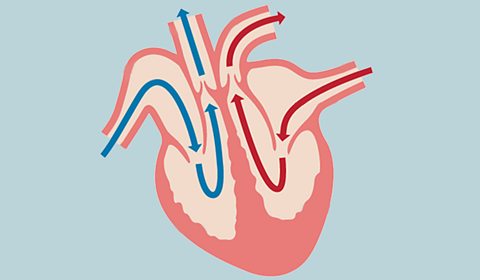
The cardiovascular system is made up of three main parts - the heart, the blood vessels and the blood that flows through them.
Respiratory system - Cambridge OCR
The respiratory system transports oxygen from the air we breathe, through a system of tubes, into our lungs and then diffuses it into the bloodstream, whilst carbon dioxide makes the opposite journey.

Aerobic and anaerobic exercise - Cambridge OCR
Depending upon whether the body uses oxygen or not in order to perform physical activities determines if the activity is aerobic (with oxygen) or anaerobic (without oxygen).
Long and short term effects of exercise - Cambridge OCR
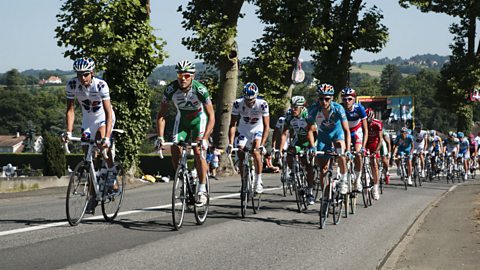
During exercise the body systems respond immediately to provide energy for the muscles to work. After regular and repeated exercise, these systems adapt to become more efficient.
Movement analysis in sport - Cambridge OCR
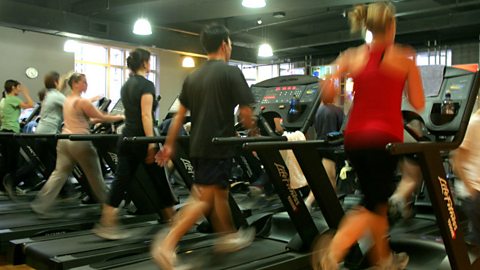
To help people understand the different types of movement in sport, specific terminology is used so that it is clear exactly what types of movements have taken place in order to analyse that movement.
Physical training
Keeping fit and healthy in sport - Cambridge OCR
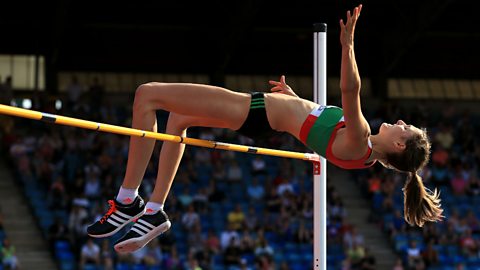
Health, fitness and exercise are essential to the sporting and life performance of humans. The relationship between the three is cyclical.
Principles of training - Cambridge OCR
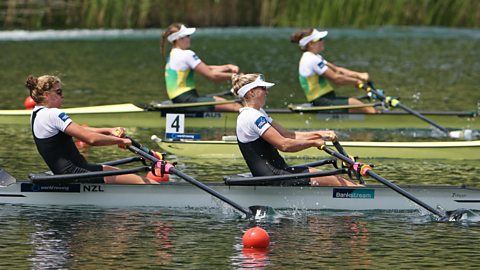
Training means exercising regularly to improve skills and fitness. The training that an athlete does must be appropriate for that person and their sport in order to get the most out of their training.
Methods and effects of training - Cambridge OCR
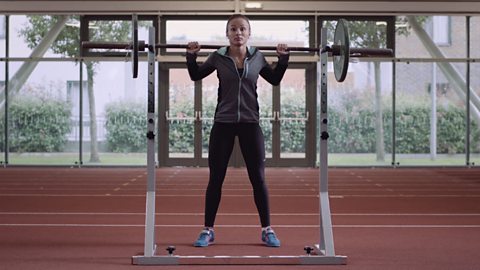
There are a number of different ways of training that can improve health and fitness necessary for a range of activities. Warming up and cooling down are essential parts of a training session.
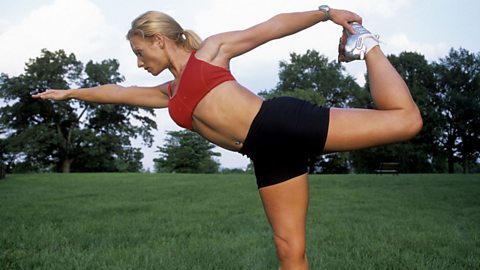
Preventing injury in sport - Cambridge OCR
Physical activity comes with a risk of injury, but this risk can be minimised by good practice and knowledge of potential hazards.
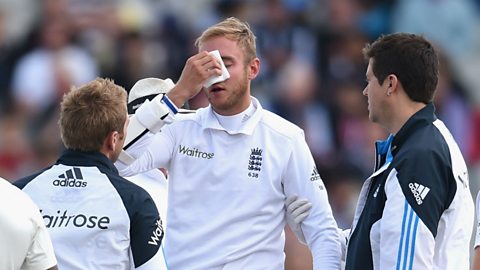
Sport psychology
Classification of skill in sport - Cambridge OCR
Skills are learned patterns of movement acquired through training. They enable athletes to perform effectively. Skills range from simple to complex and can be open or closed, depending on the sport.
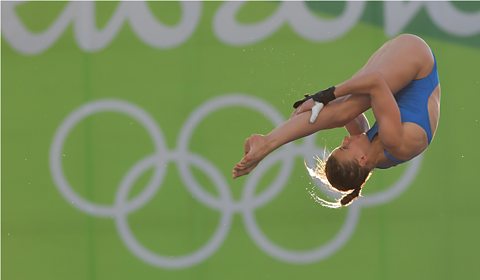
Performance guidance in sport - Cambridge OCR
Performers need guidance to acquire and improve their skills. Visual, verbal, manual and mechanical guidance are used in different situations and to support performers in a range of different ways.
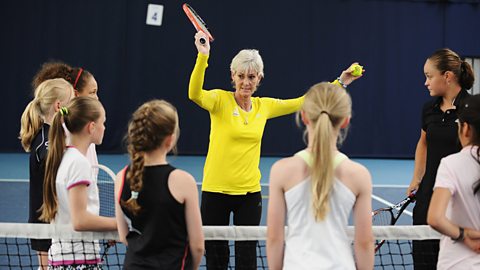
Performance feedback in sport - Cambridge OCR
Feedback tells performers how well they performed or are performing. It can focus on knowledge of results or knowledge of performance and can be intrinsic or extrinsic, positive or negative.
Mental preparation - Cambridge OCR
To succeed and perform their best, athletes need to use their minds as well as their bodies. Mental techniques help to control emotions, manage stress and improve participation and performance.
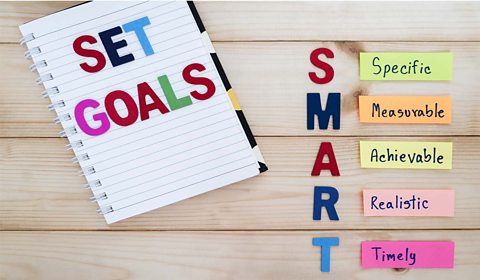
Goal setting - Cambridge OCR
Setting SMART targets helps participants to plan their training. This involves considering the type and regularity of training, ways to stay motivated and ways to improve and optimise training.
Socio-cultural influences
Social groupings and participation in sport - Cambridge OCR
Participation in physical activity is influenced by social factors such as social groupings, family and friends as well as personal factors such as age, gender, disability and ethnicity.
Ethical factors in sports - Cambridge OCR
Sport requires people to follow written and unwritten rules to make it fair. It expects people to behave responsibly to ensure respect, fairness and safety. In this way, it promotes social values.
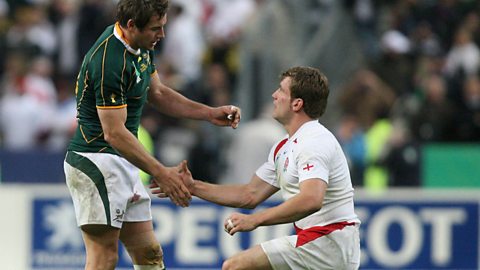
Commercialisation in sport - Cambridge OCR
Sport is not just about participation. It is also part of the commercial world, managed and marketed to make money. Sponsorship and the media are now significant influences on sport.
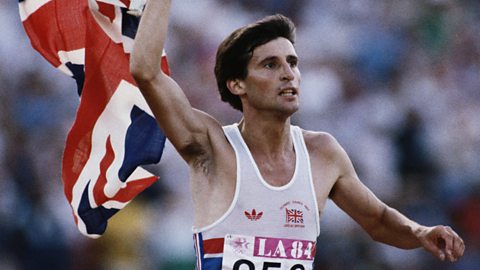
Health, fitness and well-being
Health and wellbeing in sport - Cambridge OCR
Physical activity is an essential part of a healthy lifestyle. Linked to other positive lifestyle choices, it promotes good physical health and contributes to people’s emotional and social wellbeing.
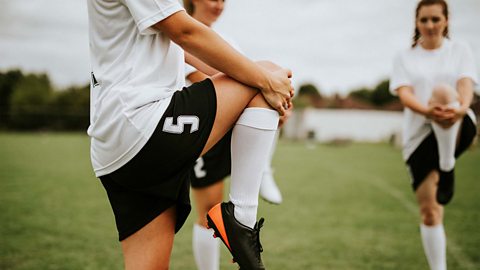
Sedentary lifestyles - Cambridge OCR
Many people in our society lead inactive lifestyles due to passive job roles, leisure activities and, sometimes, a lack of opportunity. Sedentary lifestyles can cause poor health.

Diet and nutrition - Cambridge OCR
People need to manage the quantity, type and proportion of foods that they eat as part of a healthy lifestyle or, for sportspeople, as part of a training and performance regime.
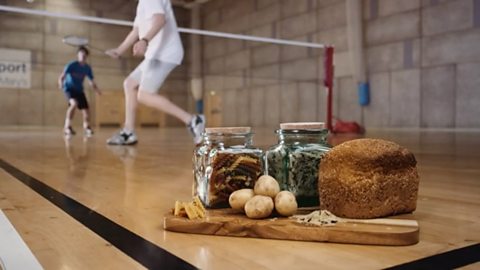
Exam skills
Exam techniques - Cambridge OCR
An exam is designed to find out how much you understand about a subject. There are some key techniques that you can learn to help you do as well as possible for each type of exam question.

Sample exam questions - Cambridge OCR
You will be taking a theory exam for part of your GCSE PE course and the paper will contain a range of questions across all the subject content that you have studied.

Performance analysis
Observing and analysing movement - Cambridge OCR
To help athletes to improve, coaches and performers need to observe and analyse athletes’ movements during performance. They use this data to monitor progress and provide effective feedback.
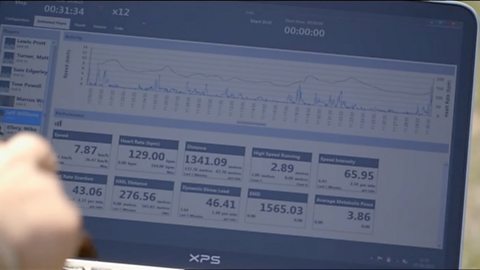
Evaluating and analysing the fitness of athletes - Cambridge OCR
In order to plan an effective training programme, performers need to know which types of fitness are important for their sport and what their own fitness strengths and weaknesses are.
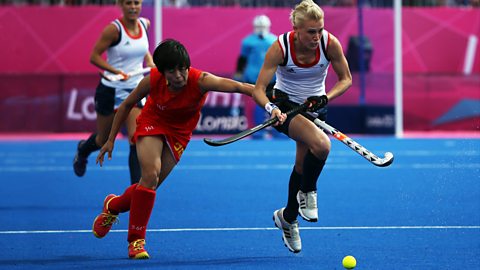
Evaluating and analysing athletes' skills - Cambridge OCR
In order to plan an effective training programme, performers need to know the key skills for their sport and assess which of these are personal strengths or weaknesses.
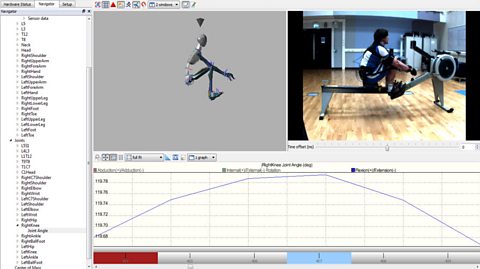
Writing an action plan - Cambridge OCR
Athletes use an action plan to ensure their training develops the specific skills and fitness they require for their sport. This is designed to suit their individual needs.

Practical performance
- Guide Number2 Guides
- Guide Number2 Guides
- Guide Number2 Guides
- Guide Number2 Guides
- Guide Number2 Guides
- Guide Number2 Guides
- Guide Number2 Guides
- Guide Number2 Guides
- Guide Number2 Guides
- Guide Number2 Guides
- Guide Number2 Guides
- Guide Number2 Guides
- Guide Number2 Guides
- Guide Number2 Guides
- Guide Number2 Guides

- Guide Number2 Guides
- Guide Number2 Guides
- Guide Number2 Guides
- Guide Number2 Guides

- Guide Number2 Guides
Links
- External linkExternal link
- External linkExternal link
- External linkExternal link
- External linkExternal link
- External linkExternal link
