|
 |
 | | | | | | ||||||||||||||||||||||||||||||||||||||||||||||||||||||||||||||||||||||||||||||||||||||||||||||||||||||||||||||||||||||||||||||||||||||||||||||||
| | | You are in: In Depth: Cracking Crime | ||||||||||||||||||||||||||||||||||||||||||||||||||||||||||||||||||||||||||||||||||||||||||||||||||||||||||||||||||||||||||||||||||||||||||||||||||
|
| |  Tuesday, 17 September, 2002, 11:30 GMT 12:30 UK Tuesday, 17 September, 2002, 11:30 GMT 12:30 UK Tapping into a hotline of evidence 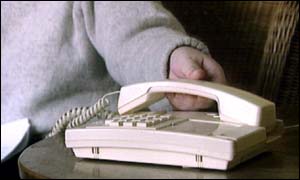 Currently police can only use taps to gain "intelligence" Evidence from phone taps are not allowed to be used in court. But changes in the law have been mooted and the Director of Public Prosecutions said recently it would be a useful tool against organised criminals as well as terrorists. BBC News Online's Chris Summers looks at the case for change - and the potential pitfalls. 
As the law stands it is not illegal for the police to bug someone's phone but it is forbidden to use the information gleaned in a court of law. Britain is almost alone in the world in this respect. In the United States, Japan, Australia and most European countries evidence from phone taps is widely used. Police regularly intercept phone calls - almost 1,500 lines a year are tapped in the UK - but can only use what they learn as "intelligence" and are duty-bound to destroy their tapes once they are no longer required. Even the existence of such recordings is frequently concealed from the defence.
Several senior police officers, including the Metropolitan Police Commissioner Sir John Stevens, are understood to be pressing for a change in the law. They believe it is anomalous that evidence from wall bugs and other covert devices is admissible but not from phone taps. 'Damaging restriction' The Crown Prosecution Service (CPS) has played down comments that its boss is pushing for the use of phone tap evidence in trials. Sir David Calvert-Smith, the Director of Public Prosecutions, told The Observer newspaper earlier this month the ban on phone taps was a "damaging restriction that was weakening Britain's fight against organised crime, drug trafficking and terrorism". He was quoted as saying a change in the law would assist prosecutors "enormously". But a CPS spokeswoman told BBC News Online: "The director was careful to say he was not calling for a change in the law, because that is not his role. "He did say it would make life easier for prosecutors to use this sort of evidence. "But he said he was aware there was a body of opinion against it - not just on human rights grounds but also some investigators are against it because they think it reveals too much of their methods." 'Power danger' The Conservatives' spokesman on home affairs, Humfrey Malins MP, said: "The trend is towards admissibility of evidence and I believe that tapped evidence will be admissible within five years.
"But we should proceed with caution. There is a danger of the state having too much power." A Home Office spokesman said the ban had been reconfirmed in the Regulation of Investigatory Powers Act (RIPA) two years ago. "But it's something we keep constantly under review," he said. The National Criminal Intelligence Service (NCIS) and MI5 are both against changing the law. Too revealing They believe allowing taps to become admissible would give away trade secrets. A spokesman for NCIS told BBC News Online: "We do not want to alert serious criminals to the ways that we catch them. "These methods have high value to law enforcement and we do not want to prejudice their effectiveness without having protection in the criminal justice system."
The police had also been tapping telephone conversations between Davies and Merseyside drugs baron Curtis Warren - who lived in Holland. But the trial judge refused to allow those conversations to be used as evidence. Daily activity Warren's lawyer Keith Dyson, told BBC News Online: "It's an odd situation. In Europe phone tapping evidence is often the main evidence in a case. "In this country tapping is done, day in and day out, but it's a bit disingenuous - they take up the information but the content is never disclosed." Michael Levi, a professor of criminology at Cardiff University, said there was an "active debate" going on within law enforcement. But he said: "The notion that major criminals do not realise their phones are tapped is frankly ludicrous." Dave Johnstone owns a firm which sells covert devices to the public, on the proviso that they can only be used outside the EU. He said: "Your big criminals do not use land lines or ordinary mobile phones. They'll buy several unregistered pay-as-you-go phones, which are very difficult to listen in on." | |
See also:  Internet links: The BBC is not responsible for the content of external internet sites | ||||||||||||||||||||||||||||||||||||||||||||||||||||||||||||||||||||||||||||||||||||||||||||||||||||||||||||||||||||||||||||||||||||||||||||||||
|  |
|  E-mail this story to a friend E-mail this story to a friend |
| |
| Links to more Cracking Crime stories |
| | | ||
 | ||||
 | | Back to top
| ||
| ---------------------------------------------------------------------------------- To BBC Sport>> | To BBC Weather>> | To BBC World Service>> ---------------------------------------------------------------------------------- © MMIII | News Sources | Privacy |