| 24 September 2014 |

| |
| BBC Homepage | | |
| |||
| Contact Us | | |
Your StoriesYou are in: Tyne > People > Your Stories > No ordinary life 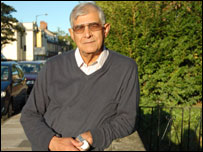 Dr Farsi first came to Tyneside in 1977 No ordinary lifeDr Mohammad Farsi's life story is an amazing one and includes surviving a number of brushes with death. He tells how he came to settle in the North East from his birth place in Iran. Few people's life stories would include surviving an attempt on their lives or a close escape from a death sentence. But they are just two of the events that make up Dr Mohammad Farsi's eventful life. The 67-year-old's links with the North East stretch back to January 1977 when, as a lieutenant commander in the Iranian navy, he was part of the crew of a ship called Kharg which was being built on the Tyne. He came over from Iran with his wife and two sons and his first impressions of Newcastle was that it was "pretty cold" but the family adjusted well to life here. The ship was still being built when the revolution happened in Iran in 1979 and "everything was upside down". Dr Farsi said it was difficult being over here because there was a delay getting information from Iran and they didn't get to hear everything. 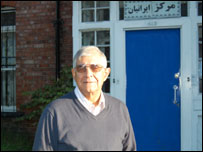 Dr Farsi outside the Iranian Centre No logicIn early 1980, after a number of Americans were taken hostage in the US embassy in Tehran, there was an embargo placed on Iran, which included military equipment. Since Kharg had a gun, it was considered a military ship and could not be taken back to Iran once it was completed. Dr Farsi went back to Iran in 1980 at the start of the Iran-Iraq war because he wanted to do his duty since he was part of the military. His wife and sons stayed behind so their education was not disrupted, with the original idea that they would join him later in the year. Dr Farsi said: "When I went back home I found things completely different to what I expected. There was no logic whatsoever." He was not able to write to his wife but managed to smuggle a letter to her telling her to stay put because he wasn't sure what was going to happen. By this point, Dr Farsi had been promoted to commander and spent a lot of his time helping to maintain the Iranian fleet and making difficult decisions about sending people to war. Around this time there were false reports that he was supporting non-revolutionaries and he ended up in a military revolutionary court. The prosecutor was someone who knew Dr Farsi and that he would not have done what he was accused of. Dr Farsi was told that the file they had put together about him was worse than for those who had been shot dead in 20 minutes. Difficult decisionDr Farsi realised and was advised he had to get out as soon as possible and with the help of friends was part of the team who came back to the Tyne to inspect Kharg later in 1982. Despite a lot of pressure to return to Iran, Dr Farsi decided to stay here because he feared for his life. He decided to ask for political asylum and said he was grateful for the support he received from the British government. He said: "I never wanted to stay out of our country. "It was one of the worst days of my life when I had to ask political asylum. I still can't talk about it."
After receiving asylum, Dr Farsi went to Newcastle University to study for his PhD. He used to be a senior lecturer there but retired a few years ago, although he still does some teaching. One-way ticketAround the time of being granted asylum he also received some assistance from the Iranian National Resistance Movement. Some time later he found out there was to have been an attempt on his life but security services found out and did not let those who were due to carry it out off the plane. He said: "When I found out, although it was a long time later, every time I went to my car I was thinking was it going to blow up. I was having a lot of bad dreams." He said he would love to go back to Iran but fears if he did it would be a "one-way ticket". He said: "I would love to go back. I consider myself an Iranian and British as well. "I am grateful for accepting us in this country but nothing should change that I was born in Iran and I am Iranian." Iranian cultureBut he said he enjoys life in the North East. "I think the people of the North East are wonderful, warm-hearted and very accepting people," he said. He said he believes people will find Iranians very hospitable and accommodating and keen to integrate as much as possible. He wants to encourage people to find out about Iranian culture, which he said is very rich and strong and has developed over many years. Among the strong traditions are the celebrations for the Iranian new year, which involves jumping over fire to leave any evil behind, with love remaining. There are many other special days including when children go to school. Dr Farsi has been involved with working with the Iranian Centre in Newcastle as well as a number of groups in an advisory role, such as the Black and Minority Ethnic (BME) Newcastle education forum and BME Friends of the NSPCC. He is also a member of Tyne and Wear Learning and Skills Council and has been a member of the Independent Monitoring Board at Frankland Prison and a governor of Newcastle College. last updated: 24/04/2008 at 12:38 SEE ALSOYou are in: Tyne > People > Your Stories > No ordinary life |
| | About the BBC | Help | Terms of Use | Privacy & Cookies Policy |