Bringing your baby home is a special time, but recovering from birth can be challenging. Every parent's experience is different, and it's important to give yourself time to heal.
Watch our video below with experienced midwife and lactation consultant, Jyoti Gandecha for advice.
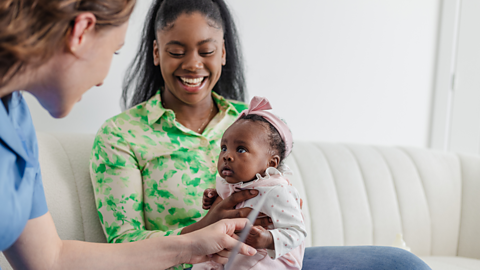
Midwife professional talking to a parent.
Jyoti Gandecha, midwife:
Growing and birthing a baby is a huge physical achievement.
Recovery can take months, or even a year.
Go at your own pace and give your body lots of time.
Conversation with new mum:
How many weeks are you now?
Three weeks. Three weeks postpartum.
Amazing. Well, congratulations. How's your bleeding going?
It's erm, on and off. It started out quite a bit heavy then stopped a bit, then started up again.
So bleeding can last between two weeks to six weeks. It will eventually get lighter as you approach the end.
It's very important to use maternity pads and not tampons to prevent infection risk and so we can monitor what's going on.
If you have stitches or a scar from surgery, clean it with plain warm water, pat dry and never rub. This is the best way for the skin to heal.
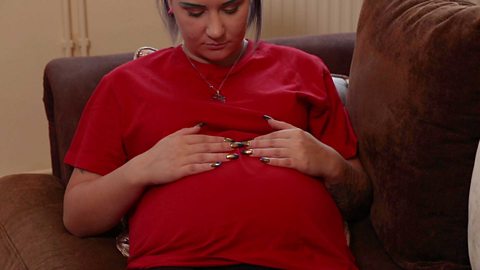
So it's very normal and common with all types of birth to still look a little bit pregnant after.
It will take time for your uterus to go back to where it was.
What to look out for is any painful lumps or any redness on your breasts.
So any heavy bleeding, any offensive smell, any fever or swelling in one side of your leg.
I'd like you to contact a healthcare professional if you do experience any of these.
Every recovery is different.
Rest when you can and lean on family and friends for support.
Looking after yourself is the best way you can care for your baby.
What can you expect during postnatal recovery?
"Alongside recovering from birth, you're adjusting to life with a newborn, managing broken sleep and learning new skills such as feeding and caring for your baby."
Jyoti says: "It's a combination of lack of sleep, feeding your newborn and recovering physically from birth. All of those things happen at the same time, which can make recovery feel overwhelming."
Everyone's recovery is different."
"Some people feel well quite quickly, while others need longer. The most important thing is to take one day at a time," says Jyoti."If your healthcare team recommends pain relief, don't be afraid to use it as part of your recovery."
Physical changes after birth
"After birth, it's normal to feel tired and sore as your body recovers. You may also notice breast changes as your milk comes in, along with pains and vaginal bleeding."
Is it normal to still look pregnant?
Jyoti explains: "Yes, many people don't realise they may still look pregnant after having a baby. It's completely normal and your body needs time to recover."
"In the first few weeks, gentle movement around the house is often enough while your body gradually heals and regains strength."
Bleeding and healing after birth
"After birth, it's normal to experience vaginal bleeding called lochia, whether you've had a vaginal birth or a caesarean section."
Jyoti says: "Lochia is like a period after birth. It's normal and can last up to six weeks."
"The bleeding is usually heaviest in the first few days before gradually becoming lighter."
Recovering after stitches or a caesarean birth
Whether you've had perineal stitches following a vaginal birth or a caesarean section, keeping the area clean can help support healing. Follow the advice from your healthcare team, wear loose, comfortable clothing where possible, and gently pat the area dry after washing.
Recovery should gradually improve over time. As Jyoti explains: "The pain should get better every day. If it starts getting worse, seek advice."
When should you seek medical advice?
Contact your midwife, maternity unit or healthcare professional if you're soaking a maternity pad within an hour, the bleeding is running down your legs, you pass a blood clot larger than a £2 coin, your bleeding has an unpleasant smell, or you feel generally unwell.
These symptoms may need medical assessment and shouldn't be ignored.
Looking after your wellbeing
"Breastfeeding should not be painful or cause nipple damage. If you’re experiencing sore nipples or have concerns about feeding, it’s important to seek help as early as possible." says Jyoti.
Rest and recovery
"Rest is an important part of healing after birth, and accepting help from family and friends can make recovery easier."
"Your body recovers when you're asleep. After birth, your body is working hard to heal, so rest is incredibly important."
Emotional wellbeing after birth
Many parents experience the "baby blues" in the first few days after birth and may feel emotional or overwhelmed.
"These feelings can be normal in the first few days," says Jyoti.
If low mood or anxiety continues, speak to your midwife, health visitor or GP.
Looking ahead
"Recovery takes time, so be patient with yourself and take things one day at a time."
"Giving yourself time and patience is one of the most important things you can do."
Learn more about perinatal mental health for both mums and dads in our articles The Baby Blues: Perinatal Mental Health for Mums and Becoming a Dad: Perinatal Mental Health.