Like all aspects of childbirth, it’s common to have lots of questions about having a caesarean birth, says Louise Perkins, Consultant Midwife at Royal Berkshire NHS Foundation Trust.
"The most important thing you can do is have open conversations with your healthcare team, your partner, and people supporting you at home."
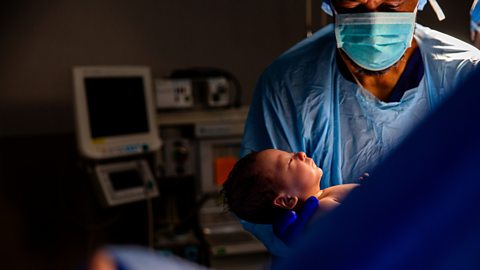
A caesarean birth, sometimes known as a c-section, is when your baby is delivered through a cut made into your stomach and womb, usually under your bikini line.
According to a study from the NHS, around one in four pregnant women in the UK has a caesarean.
What are the reasons for a caesarean?
There are many reasons a planned caesarean, also known as an elective caesarean, might be recommended. For example, if your baby is in breech position (bottom or feet first), you’re expecting more than one baby, or you have a condition such as a low-lying placenta (placenta praevia).
"There may also be emotional reasons, for example anxiety after a previous traumatic birth," adds Louise.
An unplanned caesarean happens if your labour is not progressing, or your team are concerned about you or your baby.
Because it’s sometimes referred to as an “emergency” operation, it sounds dramatic. But for most caesareans during labour the reality is very different. Your team will calmly explain what’s happening and take you to theatre in the next hour.

Can I request a caesarean?

You can and it’s called a ‘maternal request’ caesarean, explains Louise.
"Before deciding, talk with your midwife to understand the pros and cons, look at any alternatives and chat about your individual circumstances, such as whether you plan to have more children. You can then have a further conversation with a specialist, such as an obstetrician or consultant midwife.
"It’s ideal to start these conversations once you’ve had your 20-week scan. You probably won’t get a date for your caesarean until you’re at 37 or 38 weeks and it will usually be done from the 39th week."
I’m having a planned caesarean – how do I prepare?
There are plenty of practical things you can do at home, including preparing your hospital bag.
"But first, read your local NHS trust’s guidance and ask your midwife lots of questions," recommends Louise.
"As soon as your caesarean is booked, you’ll get an appointment for a pre-op conversation. You’ll sign a consent form but it’s also a chance to ask more questions."
Chat with your birth partner about what will happen and how they can support you during and after your operation.
I’m worried about having a caesarean, what are the risks?
Having candid conversations with your healthcare team will help, advises Louise.
It might comfort you to know that it’s a commonly performed surgery and for most women who are healthy, having their first or second caesarean, it's usually straightforward.
"It does carry certain risks for you and your baby, but your team are aware of these and will take steps to reduce them. There will be a full surgical team of around eight to ten people who all have different jobs to keep you both safe. Everyone will try and put you at ease."

How long does a caesarean take? When can I hold my baby?
A caesarean normally takes around 45 to 50 minutes.
"It can take you by surprise how quickly your baby is out," explains Louise. "After being anaesthetised and the operation starting, it's usually less than five minutes until your baby is born.
"Then your baby will usually be taken to a ‘resuscitaire’ heated table to be dried and have an initial check. After that, your midwife will bring them to you for skin-to-skin contact.
"It’s ideal if this can be with you, as it gets breastfeeding off to a good start. But bear in mind that due to a combination of the anaesthetic and your flat position, it may not be comfortable during the operation, so it’s great if your birth partner can step in."
What happens when I come out of surgery?

The next steps after a c-section surgery can vary. If possible, ask your midwife and check out the process at your hospital beforehand, advises Louise.
"Don’t rely on the advice of your friend who had a caesarean at another hospital.
"Typically, you’ll be transferred to a recovery ward for the first two hours to be closely monitored and get help with feeding. Then, once you’re stable and the anaesthetic is wearing off, you’ll be transferred to a postnatal ward with your baby. Arrangements for your partner to stay depend on the hospital and what time it is."
You can usually leave hospital in one or two days.
"A 24-hour discharge can happen, but most people stay longer. This is to make sure your pain is under control, your baby is healthy and feeding is getting established."
How long does it take to recover from a caesarean?
Again, recovery from a caesarean surgery really varies and it depends on several factors, including how complex your operation was.
You might have heard that recovery after a vaginal birth can be quicker but it’s not a clear comparison, explains Louise.
If a vaginal birth is straightforward, it will likely be quicker. But a recovery from a straightforward caesarean can be easier than from a complex vaginal birth.
Some pain and vaginal bleeding are normal but watch out for warning signs, including a red, swollen or painful wound, lower leg pain and a high temperature or feeling ‘fluey’. You are at higher risk of sepsis and blood clots.
"Before you leave hospital, your medical team will give you lots of advice for both you and your baby, including tips for keeping your wound clean and dry. You will likely be prescribed blood-thinning injections to give yourself at home."
When can I return to normal activities like sex, exercise and driving?
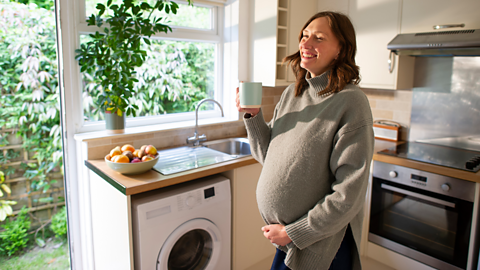
A caesarean significantly impacts on your abdominal muscles and pelvic floor, so while gentle movement is good, don’t rush your recovery.
It’s recommended you don’t restart strenuous activities until you feel able and are pain-free. Always check with your car insurer about driving again.
"Pacing yourself and listening to your body is so vital," says Louise.
"We talk about six weeks or so of recovery, but many women experience changes in how their body feels a year or more later."
Will a caesarean affect me emotionally?
It’s a different experience for everyone and you can feel a range of emotions.
"The key thing is to be honest with your partner, family and friends and health professionals," says Louise.
There are loads of ways to bond with your baby while you’re recovering, including skin-to-skin contact, talking and singing. Ask for practical support at home, so you can enjoy this time.
What are my birth options if I’ve already had a caesarean?
If you are fit and healthy and you become pregnant again, you can usually choose whether to have another caesarean or a vaginal birth (called VBAC, which stands for vaginal birth after caesarean).
But there are so many variables and what happens in the future is individual to you, says Louise.
"When you've had a caesarean and you're in hospital, your doctor should tell you what their recommendation would be for a future birth. Then if and when you are pregnant again, you can discuss your options before deciding."
Want to learn more?The NHS website has more in-depth information on arranging and recovering from c-sections, and your local NHS trust may have more tailored advice for your needs.
What else can your Midwife assist you with? CBeebies Parenting also has easy-to-follow explainers on the professionals that will help you through pregnancy, birth and newborn care.