| 13 November 2014 |

| |
| BBC Homepage | | |
| |||
| Contact Us | | |
Nature FeaturesYou are in: Tees > Nature > Nature Features > Born to be wild? 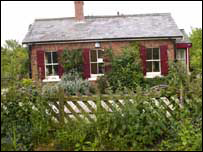 Wynyard Visitors Centre Born to be wild?Dave Neal from the Wynyard Woodland Park reveals his tips for attracting wildlife to your garden. We caught up with Dave Neal from the Wynyard Woodland Park to discover ways of attracting and caring for local wildlife, and he gave us his top tips. He said: "Tailoring your garden to the needs of animals will help you to improve your local environment and encourage wildlife diversity. "It is very important to help conserve your local wildlife, and with some little changes to your garden you can help protect ecology of the local area without making drastic changes to your grounds." Use native plant species in your garden"Native plants are those that naturally occur in your region. "To better preserve the local ecology of your area, use as many indigenous plants as possible in your garden, which will intern attract the local wildlife around. "Native plants attract native wildlife, and the result is improved preservation of your local landscape as well as the local wildlife that surrounds the area and it’s your little bit of conservation too." 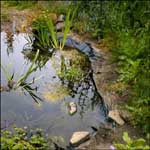 One of the wildlife habitats Avoid the use of harmful chemicals"It's discouraging to see the hard work you spend planting flowers and shrubs disappear when animals set out to have a meal in your garden or a rogue weed takes hold in your flowerbed. "You maybe often tempted to combat these weeds by using herbicides or pesticides. "But remember, all weeds are part of nature and the best way you can preserve the health of your garden is to use environmentally friendly means of protecting your plants. Provide a water source for visiting animals"A fresh, clean source of water is a key element to a wildlife garden. "Consider placing several water areas throughout the garden, providing some with more shelter so timid animals don't feel exposed to predators by having to cross a vast expanse of lawn to get to water." Plan various habitats to attract a range of animals"Diversity of habitats in your garden often means an assortment of animal visitors.
"Plan a variety of features if possible, such as a pond area, a grassy area, a wooded area, and so forth to attract as many animals as possible. "Habitat is a combination of food, water, shelter, and space arranged to meet the needs of wildlife. "The most important thing is anyone can make a wildlife garden - even a small yard can be landscaped to attract birds, butterflies, beneficial insects and small animals. "Trees, shrubs, and other plants provide shelter and food for wildlife, and the plants you use for food and cover will help determine the wildlife species attracted to your backyard. "Nesting boxes, feeders, and watering sites can be added to improve the habitat." You can take a look at the gallery of Wynyard Woodland Park and listen to an interview with Dave Neal by clicking on the links in the 'see also' section.last updated: 03/09/2008 at 10:41 Have Your SayYou are in: Tees > Nature > Nature Features > Born to be wild?    |
| | About the BBC | Help | Terms of Use | Privacy & Cookies Policy |