The Lake District
David Attenborough reveals the hidden struggles of swallows, field mice, newts and moles as they race to breed in a beautiful country garden in Cumbria.
David Attenborough tells the story of an idyllic English country garden in the Lake District. Owners Chris and Liz love their outdoor space and do everything they can to encourage wildlife.
In spring, the garden is full of life: the orchard bursts with blossom, the flower beds are abuzz with bees, and the pond is awash with courting newts. Love is in the air! But the breeding season is short, and the clock is ticking for the garden’s inhabitants to find partners and raise families.
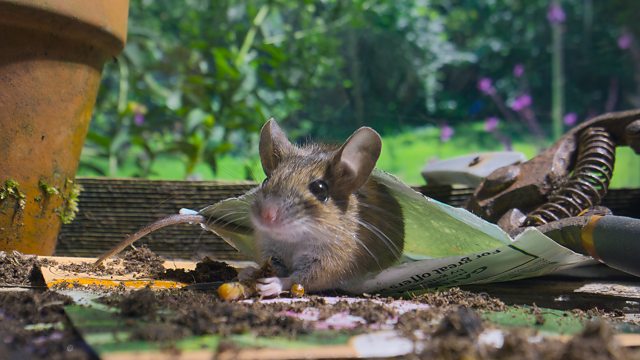
As night falls, a field mouse ventures out right under the noses of the garden’s predators. She tunes into the ultrasonic serenade of a male, inaudible to predators and humans. But before she heads out across the vast, featureless lawn, she employs an extraordinary survival strategy to make sure she will find her way home. She positions landmarks on the short grass. Field mice are the only animals apart from humans known to do this.
A few days later, a new arrival swoops in – a weary traveller who’s spent six long weeks on the wing, crossing continents to reach this special place – a barn swallow. Of the 25 million gardens in the UK, he has returned to the one where he was raised. He prepares a nest in the hope that his life partner will soon return.
In the pond at the bottom of the garden, a female palmate newt is looking for her own Mr Right. Flirtatious males waft perfumes towards her to catch her attention. She’s picky, but eventually one impresses her. Days later, she carefully wraps her eggs in the leaves of pond plants to protect them until they hatch.
As summer arrives, mini dramas play out all over the garden, most of which stay unnoticed by the humans who live alongside the wildlife in this magical place. A zebra jumping spider hunts garden pests in the warmth of the greenhouse, a semaphore fly impresses a potential mate by performing record-breaking backflips on the surface of the pond, a mole barrels through his tunnel network in search of a female, and butterflies emerge to flirt among the flowers.
But raising a family here isn’t easy. Cumbria is the wettest county in England, and when the weather breaks, things take a turn for the worse. Britain’s flying insects have declined by 60 per cent in 20 years, and in the heavy rain, there are few around, so the swallow chicks go hungry – they can’t survive long without food.
Even once the skies clear, the garden’s inhabitants face dangerous challenges – from death by lawnmower to the ever-present threat of predators, including pheasants. Pheasants originate from Asia, but every year, more than 30 million are released into the British countryside – and they have a taste for native insects, reptiles and amphibians. The field mouse – vulnerable to attack by owls, foxes and cats at night – does well to avoid a predatory kestrel. Incredibly, swallows come to the rescue, chasing the bird of prey away.
But this garden is so rich in natural food, well-managed microhabitats and places to hide that many animals make it through. For those that survive, the garden is an extraordinary place – a little slice of paradise for animals and people alike.
Last on

More episodes
Previous
Credits
| Role | Contributor |
|---|---|
| Presenter | David Attenborough |
| Executive Producer | Martha Holmes |
| Executive Producer | Mark Brownlow |
| Executive Producer | Grant Mansfield |
| Series Producer | Bill Markham |
| Director | Alex Minton |
| Production Company | Plimsoll Productions |

Discover and support the wildlife on your doorstep
Top tips on finding and supporting nature, with The Open University.
The making of Secret Garden and top wildlife gardening tips
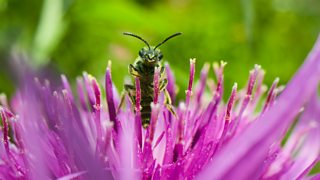
From filming otters and owls to composing the music, learn how Secret Garden was made.
