Fukushima: Radioactive water to be released into sea in Japan
- Published

The Fukushima nuclear power plant suffered from an explosion in 2011 after a tsunami
Japan has said it will release more than a million tonnes of water into the sea from the Fukushima nuclear power plant, later this year.
The Fukushima power station was badly damaged by an earthquake and tsunami in 2011 causing radiation to leak out from the building.
It was one of the worst nuclear accidents to happen since the 1986 Chernobyl disaster in Ukraine.
Japanese officials say the water has been treated and tested and the levels of radiation meet the national standard.
"We expect the timing of the release would be sometime during this spring or summer," said chief cabinet secretary Hirokazu Matsuno, who also said that the government would wait for a full and detailed report from the International Atomic Energy Agency (IAEA) before releasing the water into the sea.
The IAEA says the plans to release the radioactive water are safe, but some countries are worried about the impact it might have on the environment.
What happened at the Fukushima power plant in 2011?
The Japanese tsunami five years on - a Newsround report
On 11 March 2011, Japan was struck by one of the most powerful earthquakes on record.
The 9.0 magnitude earthquake then caused a giant wave out at sea, called a tsunami, which grew to be 10 metres high.
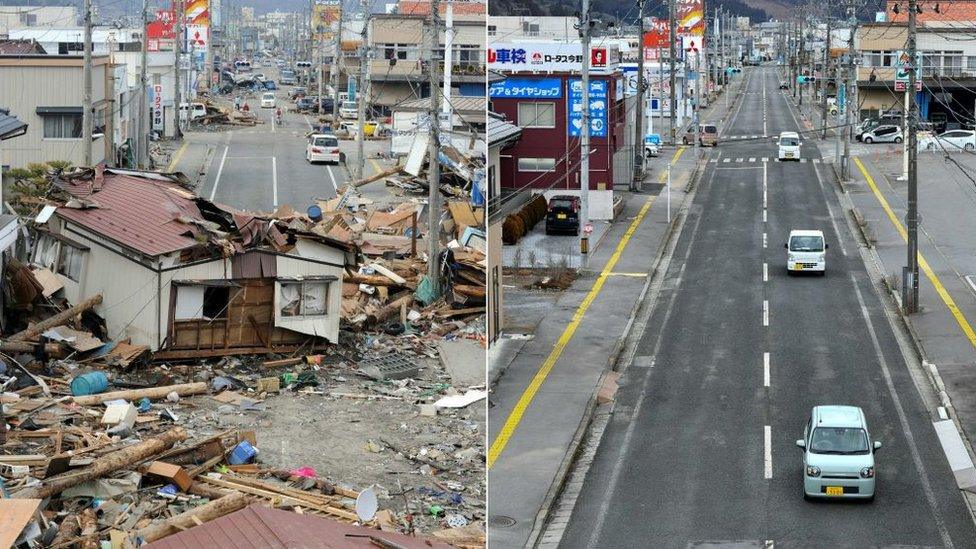
Half an hour after the quake, the tsunami hit the North East coast of Japan, destroying everything in its path.
Cities and towns were wiped out, many homes, schools and businesses were swept away by the massive wave and thousands of people were killed.
2.5 or less: Millions each year. Usually not felt, but some can be recorded by scientists.
2.5 to 5.4: 500,000 per year, Often felt, but only causes minor damage.
5.5 to 6.0: 1000 per year. Can cause slight damage to buildings and other structures.
6.1 to 6.9: 100 per year. May cause a lot of damage in very populated areas.
7.0 to 7.9: 10-15. Major earthquake. Serious damage.
8.0 or greater: Once every year or two. This is a very large earthquake which can totally destroy large areas.
Source: USGHS/Modified Mercalli Intensity

Many homes near to the plant were abandoned and have been empty for more than 10 years
The effect of the tsunami itself was extreme, but as the wave smashed into the coastline, the reactors at the Fukushima Daiichi Nuclear Power Plant, - on the country's east coast - were flooded.
This caused an explosion inside the nuclear reactor.
Nuclear power plants are used to generate energy which can be used to power our homes. It is made using a process called nuclear fission.
Nuclear fission makes a tremendous amount of energy by splitting atoms in half.
Although nuclear power doesn't cause greenhouse gases like burning fossil fuels, it does create potentially dangerous radioactive waste, which if not contained safely can contaminate areas for thousands of years.
Japanese authorities set up an exclusion zone around the plant - meaning no people were allowed close to the power plant - and around 150,000 people had to abandon their homes in the area around the plant, as radiation began to leak out.
Water was pumped into the damaged reactors to help cool them down - but some of this radioactive water escaped from storage containers.
More than a decade later the exclusion zone is still in place - and many people never returned to their homes, because it is still too dangerous to live there.
What is radiation?

Parts of the area around the power plant have signs like this around them to warn travellers of high levels of radiation
Radiation is a way that energy or heat moves around. Low levels of radiation are everywhere - this is known as background radiation.
The Sun, soil, rocks and even animals all give off low levels of radiation.
A nuclear power plant produces a lot of radiation - but it is usually contained safely within the reactor.
But if the reactor becomes badly damaged - as happened in Fukushima in Japan in 2011 - radiation can escape and become dangerous to the environment - and to people exposed to high levels of it.
Is radiation dangerous?
Martin looks at why radiation can be dangerous
It can be. Radiation can cause damage to the cells that make up the human body.
Low levels of radiation - like from x-rays and the Earth's atmosphere - are not dangerous, but medium levels can lead to sickness, headaches, vomiting and a fever.
High levels can kill you by causing damage to your internal organs. It's difficult to treat high radiation exposure.
In 2013 a World Health Organisation (WHO) report suggested the disaster increased the cancer risk to those who lived nearby the plant.
But a recent UN report published ahead of the 10-year anniversary said there had been "no adverse health effects" recorded among Fukushima residents directly related to the radiation from the disaster. Any future radiation-related health effects were "unlikely".

Scientists say this pale grass blue butterfly has a mutation caused by radiation
Radiation can also cause mutations - changes to the cells in the bodies of animals and plants.
Scientists in Japan discovered that butterflies found near Fukushima in Japan in 2012 had developed unusually small wings and abnormal eyes.
They also had changes in the shape of their legs, antennae and wings.
What is the situation like now? Why has Japan decided to release the water?

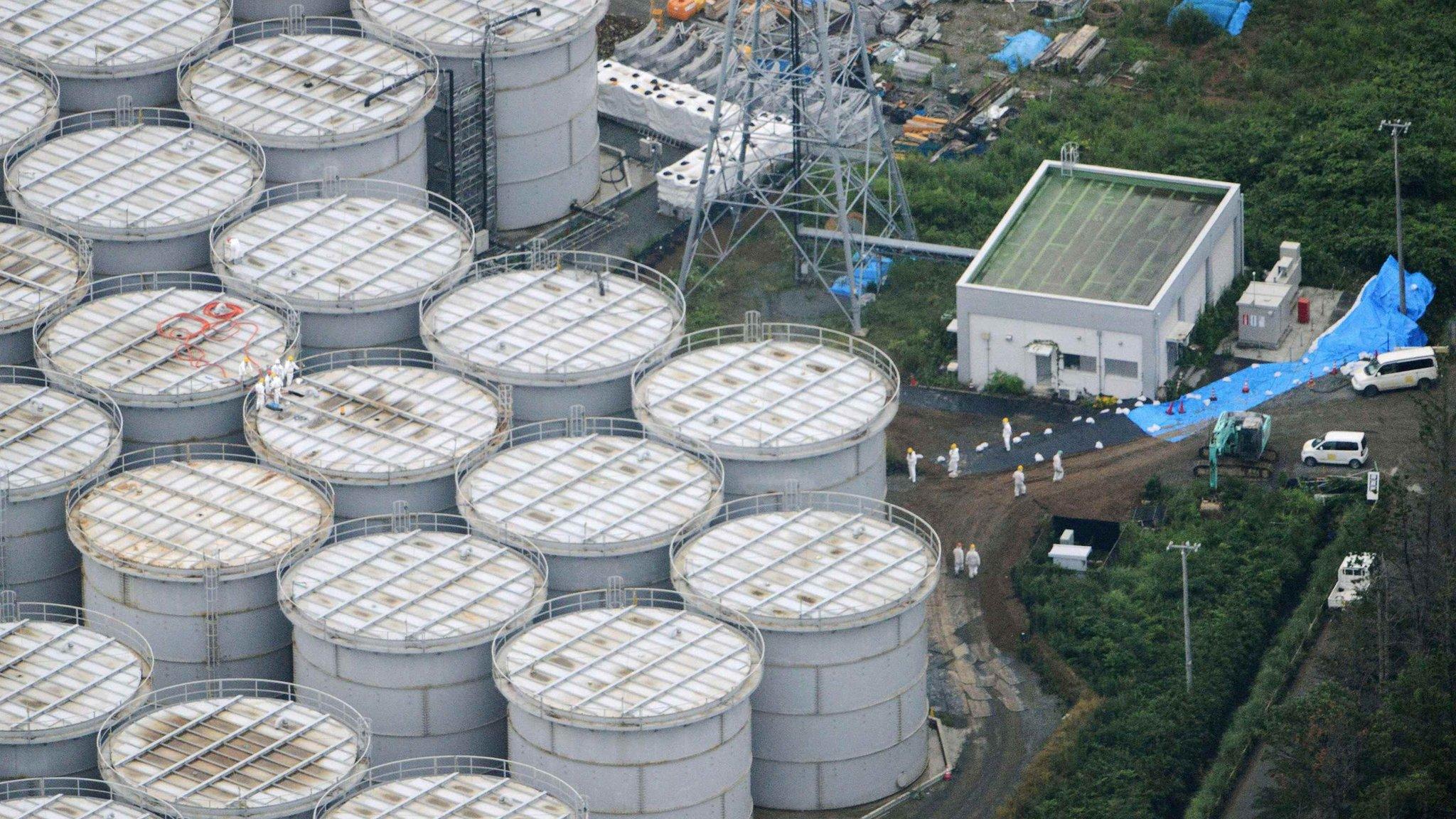
The treated water is stored in big barrels like this by the plant
More than ten years have passed since the reactors exploded and Japan is still dealing with the after effects.
Every day, the power plant produces 100 cubic metres of radioactive water.
This water is a mixture of groundwater, seawater and water used to keep the reactors cool.
The water is then filtered, removing most of the radiation, and stored in special tanks.
The Tokyo Electric Power Company (Tepco) - which has been carrying out the treatment at the plant, says it can remove all radioactive materials from the water except tritium, which it says is harmless in small amounts.
The worry is, there are now around 1000 tanks storing more than 1.3 million cubic metres of water on site, and space is running out.
What have people said about the plan?

A scientist form the Tokyo Electric Power Company is testing the water from the plant for levels of radioactive particles
Japanese officials say the water has been treated and tested and the levels of radiation meet the national standard - meaning it is not a threat to human or marine life - and so it can be released into the sea.
However, some neighbouring countries and local fishermen are against the plans to release the water into the sea.
South Korean and Chinese officials have spoken out against the plan, saying the water could be a "grave threat" to marine wildlife.
Some local fishermen are worried it might affect their business if people think the fish they catch are radioactive.
The Japanese government has now released a plan to help fishermen who worry that the water release will impact their business, and they will be able to claim money from a special ¥50bn ($385m) fund, according to the Kyodo news agency.
- Published21 August 2013
- Published2 February 2016
- Published11 March 2021