Fukushima power plant disaster: Japanese tsunami changed lives forever
- Published

Destroyed houses stand amongst a scene of destruction at Ishinomaki city in Miyagi prefecture on 16 March, 2011.
On 11 March 2011, Japan was struck by one of the most powerful earthquakes on record.
The quake caused a giant wave out at sea, called a tsunami, which grew to 10 metres high.
Half an hour after the quake, the tsunami hit the North East coast of Japan, destroying everything in its path.
Cities and towns were wiped out, many homes, schools and businesses were swept away by the massive wave and thousands of people were killed.
As people mark the 10-year anniversary of this devastating event, we look back at what happened and how things have changed a decade on.
World's worst nuclear disaster for 25 years
The Japanese tsunami five years on - a Newsround report
The impact of the tsunami itself was extreme but as the wave smashed into the coastline, the reactors at the Fukushima nuclear power plant - on the country's east coast - were flooded.
This caused an explosion inside the nuclear reactor. Authorities set up an exclusion zone around the plant and evacuated people living nearby because of the threat of nuclear waste and radiation.

A wave over 14 metres high hit Fukushima. The water overwhelmed the defensive sea wall, flooding the plant.
But as radiation began to leak out from the power plant the exclusion zone got bigger and bigger, forcing 150,000 people to abandon their homes.
A decade has passed, and as yet that exclusion zone still remains - many residents have simply never returned because it it is too dangerous to live there.
Martin looks at why radiation can be dangerous
What is radiation?
Radiation is a way that energy or heat moves around. Low levels of radiation are everywhere - this is known as background radiation.
The Sun, soil, rocks and even animals all give off low levels of radiation.
A nuclear power plant produces a lot of radiation - but it is usually contained safely within the reactor.
But if the reactor becomes badly damaged - as happened in Fukushima in Japan in 2011 - radiation can escape and become dangerous to the environment - and to people exposed to high levels of it.
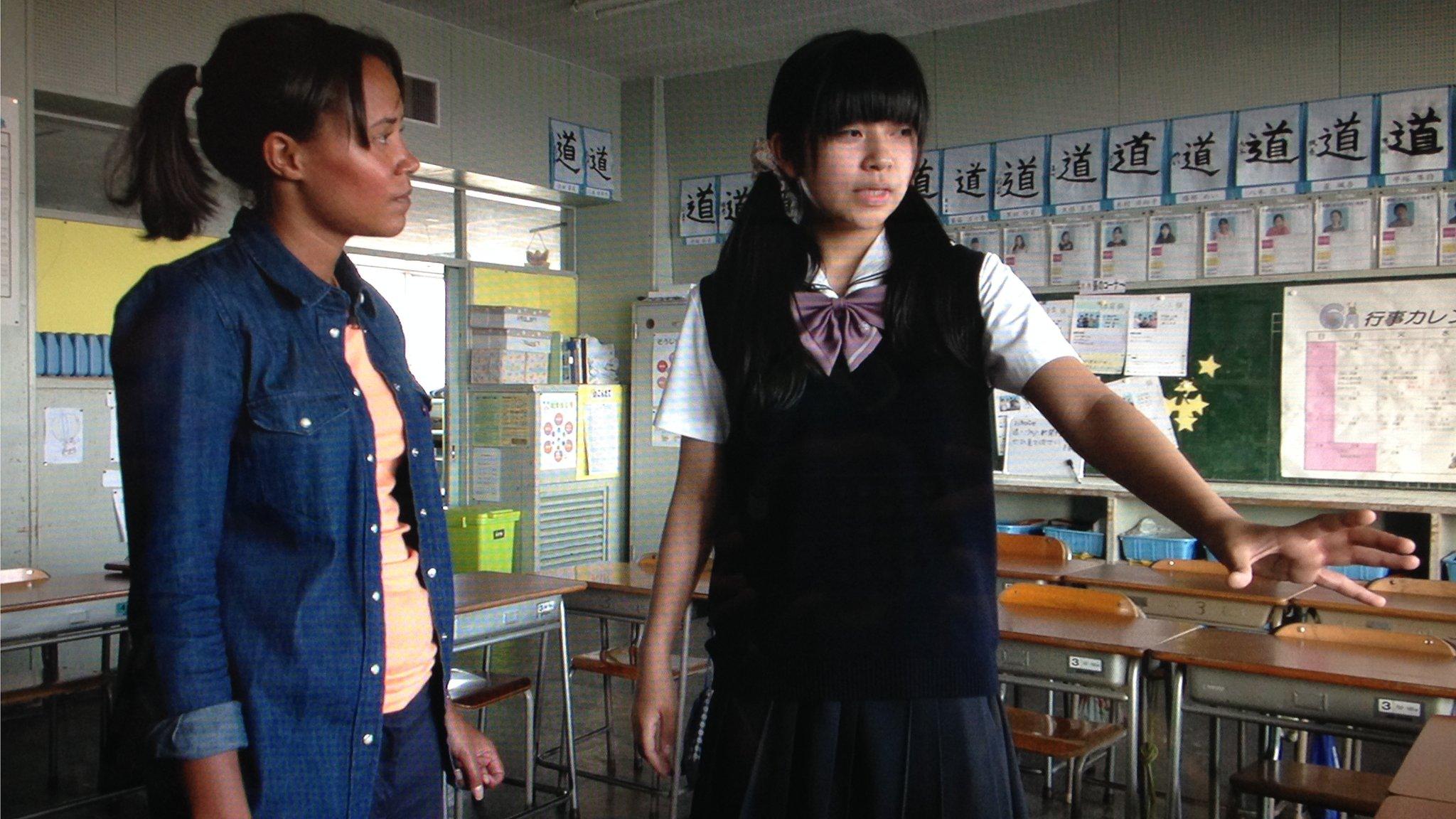
Hinako remembers the 2011 Japanese tsunami
Radiation damages the cells that make up the human body.
Low levels of radiation are not dangerous, but medium levels can lead to sickness, headaches, vomiting and a fever.
High levels can kill you by causing damage to your internal organs. It's difficult to treat high radiation exposure.
Therefore it's important authorities clean up the areas that were most heavily affected. Which is a very difficult task.
10 years on... the clean up continues

Japan marks 10 years since the worst natural disaster in the country's living memory - the massive earthquake, deadly tsunami and nuclear meltdown of 11 March, 2011. This shows the same street after the tsunami and now
While some areas have begun to return to normal, many of the towns and villages nearest the power plant are sealed off and remain deserted.
In 2013 a World Health Organisation (WHO) report suggested the disaster increased the cancer risk to those who lived nearby the plant.
But a recent UN report published ahead of the 10-year anniversary said there had been "no adverse health effects" recorded among Fukushima residents directly related to the radiation from the disaster. Any future radiation-related health effects were "unlikely".

A catamaran signtseeing boat sits on top of a two-story building in the tsunami debris, left there after the water subsided.
Scientists believe that besides the area immediately around the plant, the risk of radiation remains low.
Despite this many residents have refused to return to their old homes, and begun building their lives elsewhere - still fearful of exposure to radiation.
Authorities have a long road ahead in order to clean up the areas affected and make them safe.
It's estimated that it will take thousands of workers 30-40 years to safely remove the nuclear waste and one million tonnes of radioactive water still contained within the site and in the immediate area surrounding the power plant.

Workers remove top soil contaminated by nuclear radiation after the daiichi nuclear power plant explosion
- Published2 February 2016
- Published11 March 2016