The mission that made space feel like everyone's businesspublished at 22:52 BST 16 April
 Pallab Ghosh
Science correspondent
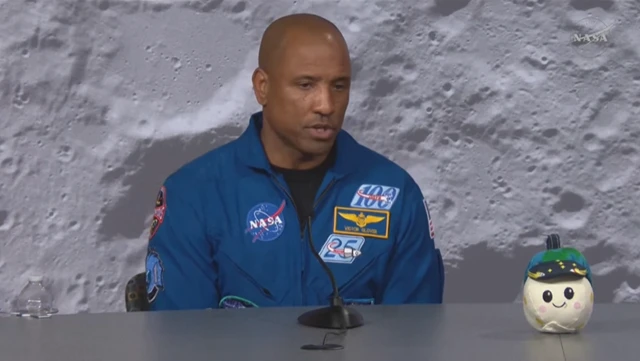
When Reid Wiseman described the crew's reaction to the global response, the word he reached for was "shocked."
Not moved, not gratified — shocked.
That surprise tells you something important about what this mission got right, and why it cut through in ways Nasa programmes have sometimes struggled to in the past.
Space agencies have become adept at selling missions. They produce beautiful footage, expert briefings, immaculate press packs. What they are less practised at is letting astronauts be human in public.
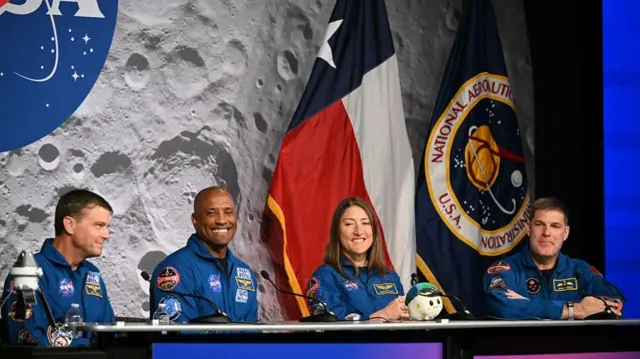
Artemis II was different. These four people did not perform readiness. They showed uncertainty, emotion and laughter in roughly equal measure. When things confused them, they said so. When the view overwhelmed them, they did not compose themselves first.
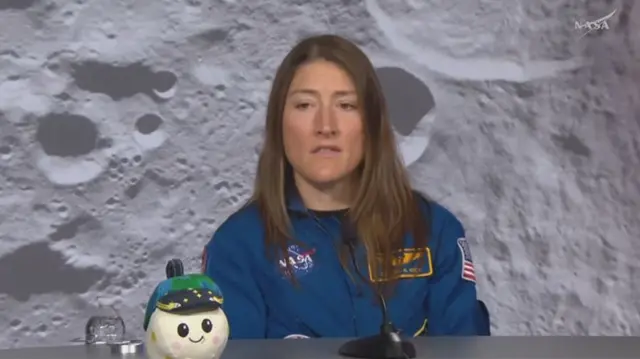
Christina Koch spoke about the mission cutting across "lines and identities." Jeremy Hansen, the Canadian on his first spaceflight, reflected that humans' default state is to be good — that the kindness they encountered from strangers bore that out.
These are not remarks of a media-trained crew reciting a script. They are the observations of people genuinely astonished by what they found, including the response of the planet they had left behind.
People watched four likable individuals, as much human as heroic, face the unknown, and in doing so the crew made space feel like a shared endeavour rather than a government programme.
That distinction, fragile as it is, may prove to be this mission's most durable legacy.
We're ending our live coverage of this event now, but you can read more about the mission here: Artemis II crew: 'We left as friends — we came back as best friends'