A frantic few days in Westminster - how did we get here?published at 09:54 BST
Kieran Kelly
Live reporter
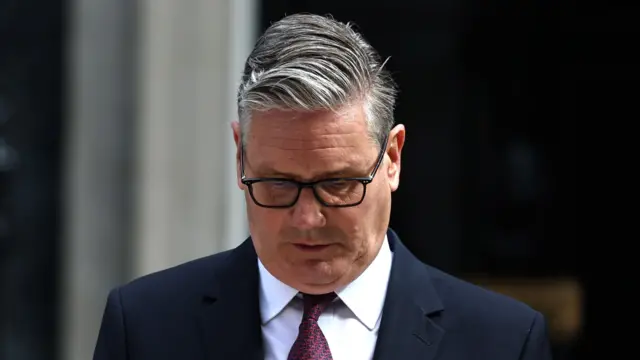 Image source, EPA/Shutterstock
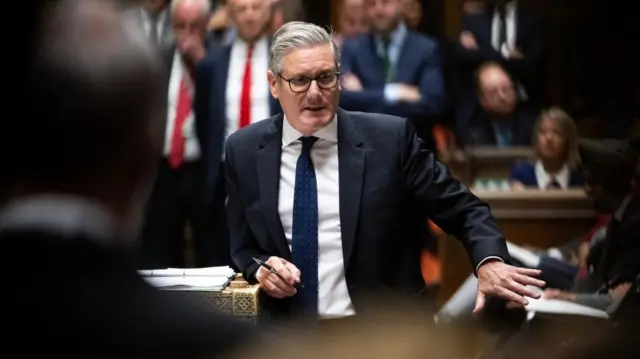
Keir Starmer announces his resignation on the steps of Downing Street
It has been a frantic few days in politics.
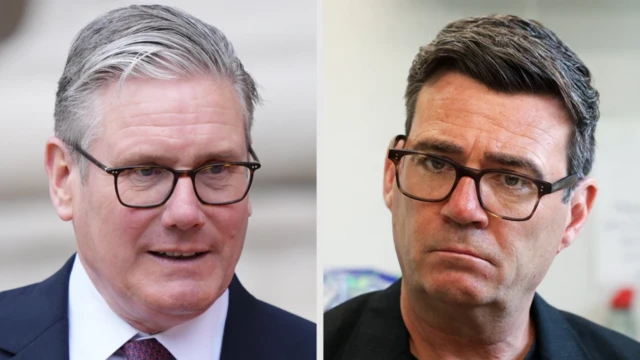
This time last week, Andy Burnham wasn't even an MP - and now the former Greater Manchester mayor is widely expected to become the next prime minister. Here's a reminder of how we got here:
19 June - Burnham emphatically wins the Makerfield by-election, taking more votes than all his rivals combined. He describes his victory as a "turning point", while Starmer insists he will fight any leadership challenge.
20 June - The prime minister is in Chequers, his country retreat, contemplating his political fate with his wife Victoria. It follows conversations with Cabinet ministers, who urged him to step aside.
21 June - Signs start to appear that Starmer is about to resign - Business Secretary Peter Kyle tells the BBC that Starmer is reflecting on "political realities".
22 June - Starmer announces his resignation shortly after 9:30 BST, confirming that a new leader will be in place by 1 September at the latest - it is likely to be sooner.
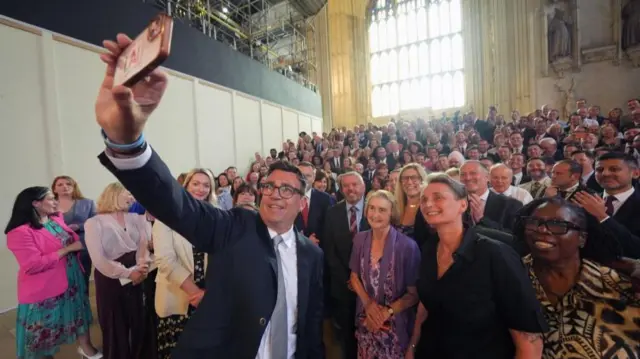
Shortly after, Burnham boards a train from Manchester to London, where he is sworn in as the new MP for Makerfield. By this point, he has confirmed he will run to replace Starmer.
23 June - Starmer and Burnham hold secret talks as No 10 confirms the prime minister wants an "orderly transition".
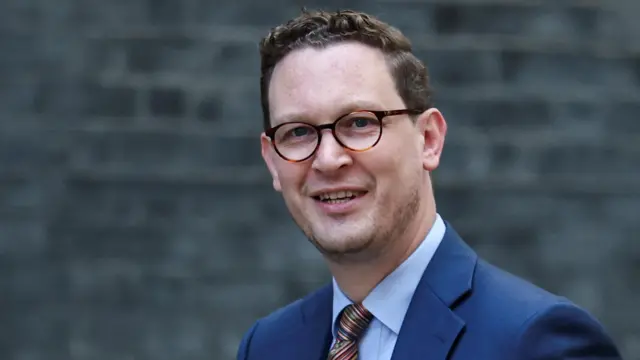
24 June - The path to No 10 appears to clear for Burnham with Darren Jones, a senior Cabinet minister, throwing his weight behind the former Greater Manchester mayor.
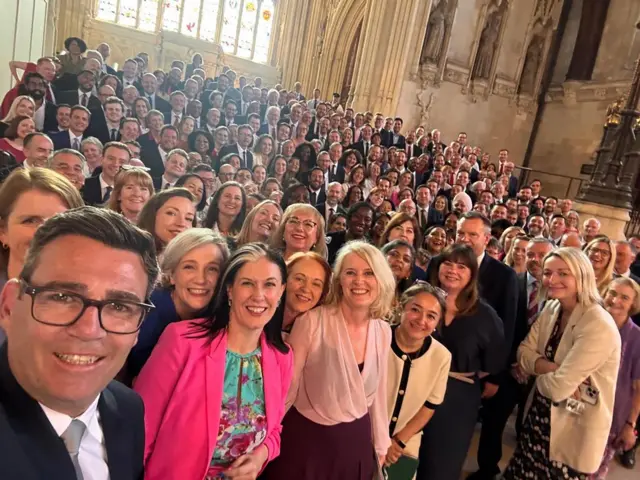 Image source, Andy Burnham
Andy Burnham is greeted by the majority of Labour MPs after being sworn in as the new MP for Makerfield