Summary

  1. Windrush scandal and Grenfell fire damaged trust which contributed to vaccine hesitancy, inquiry sayspublished at 13:28 BST

    Nick Triggle
    Health correspondent, reporting from the inquiry

    The report covers issues to do with vaccine hesitancy in detail. It said this was a significant danger on the horizon before the pandemic - and continues to be today.

    The UK had already lost its measles-free status when Covid hit because of low uptake of the MMR vaccine.

    That is why the inquiry said it was predictable that there was likely to be lower uptake among some ethnic minority groups and poorer communities.

    And while the inquiry praised the authorities for the work they did with community and religious groups, running pop-up vaccination clinics in non-traditional settings, it said high levels of distrust needs addressing.

    And it said this stretched beyond heath care. Experiences of racism and discrimination across society as a whole contributed to vaccine hesitancy in some ethnic minority groups.

    Experts' evidence to the inquiry suggested events such as the Windrush scandal and the Grenfell Tower fire disaster have created a perception that governments have not acted in the best interests of black communities, for example.

  2. The five recommendation's from today's reportpublished at 13:17 BST

    Ben Hatton
    Live editor, reporting from the inquiry

    Today's report - the fourth of 10 from the Covid inquiry - makes five key recommendations. Here's an overview:

    • Establishing a pharmaceutical expert advisory panel to oversee the UK’s preparedness to develop, procure and manufacture pharmaceuticals
    • Producing targeted vaccination strategies and communications in order to increase vaccine uptake and reduce inequalities
    • Improving monitoring and evaluation of vaccine uptake and delivery
    • Facilitating regulatory bodies’ access to healthcare records for post-authorisation safety monitoring of new vaccines and treatments
    • Reforming the Vaccine Damage Payment Scheme to increase the minimum payment to those injured by a vaccine and a fairer system for determining payment
  3. 'People suffering from vaccine side-effects should seek help'published at 13:01 BST

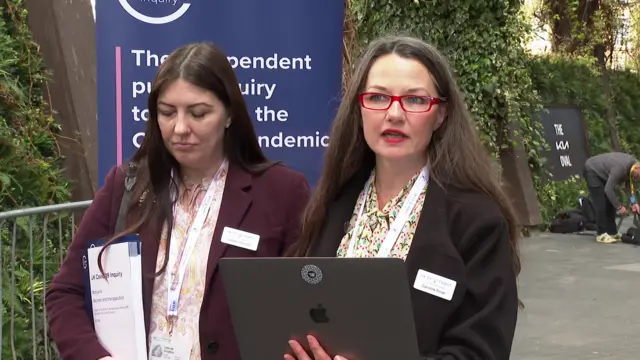
    Woman with red glasses wearing a black suit with floral shirt holds an Apple Mac computer while addressing the media outside the headquarters of the Covid inquiry in London. A woman with long brown hair in a plum suit stands next to her, to the right

    Caroline Pover, the chair of trustees of the Covid Vaccine Family group, is now talking about the government's Vaccine Damage Payment Scheme - which the inquiry chair describes as not "sufficiently supportive".

    She says that the group are "disappointed at the failure of the inquiry to recommend any kind of care pathway", such as a dedicated vaccine injury clinic, emergency funding for treatment, or an awareness campaign for adverse vaccine reactions.

    "Until now, our experiences have been referred to as rare, short-lived," she says, and encourages those "suffering in silence" from vaccine side-effects to seek help.

  4. Johnson didn't keep promise to protect most vulnerable, says grouppublished at 12:48 BST

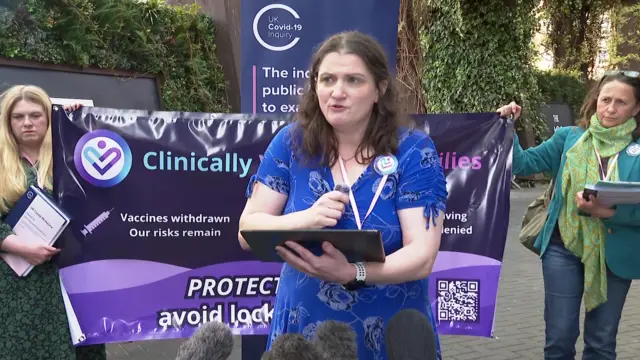
    A woman in a blue dress holds an iPad while holding a small mic as she addresses reporters. Behind her are two women, one to her right and one to her left, holding a banner for Clinically Vulnerable Families

    Lara Wong, from Clinically Vulnerable Families, says Boris Johnson's promise at the time of the pandemic that those facing the highest risk would be protected "wasn't kept".

    She says today's report recognises that the government should pay close attention to the needs of the clinically vulnerable and their ability to access vaccines in a safe environment.

    Wong says the group is pleased the inquiry has recognised the difficulties in accessing anti-virals - which she says remain today.

    It's been four years, four prime ministers and those at the highest risk "are still waiting for protection", she says, and calls for a meeting with Health Secretary Wes Streeting.

  5. Long-term plan needed to ensure people 'not left behind', says bereaved group memberpublished at 12:42 BST

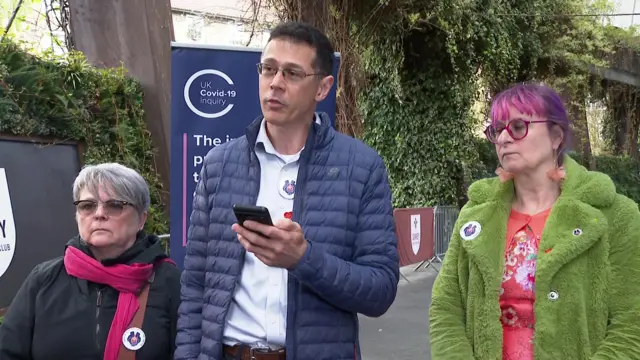
    From left to right: A short woman in black coat and fuchsia scarf, a tall man with cropped black air, an open blue puffer jacket holding his phone in his left hand while speaking; a woman with purple hair in a green fur coat. They're standing outside in front of a blue banner reading UK Covid-19 Inquiry in the top right corner

    We're now hearing from James Telfer, a member of Covid-19 Bereaved Families for Justice UK.

    He says the inquiry shows that much of the progress made during the pandemic has been undermined, and that for the bereaved, vaccines came too late.

    Telfer calls for a long-term plan and funding to ensure that "people are not left behind because of distrust, exclusion, or barriers to access".

    He also says that more should be done to prevent the spread of "vaccine misinformation", adding: "The government must not turn its back on pandemic preparedness."

  6. 'UK must maintain capability to fight next pandemic'published at 12:28 BST

    Concluding her statement, Hallett turns to other recommendations which she says "worked" during the pandemic.

    These include rapid and co-ordinated funding for vaccine research, an "at risk" approach to procurement whereby a wide range of vaccine candidates are funded, and expedited regulatory approaches, she says.

    She stresses the UK "must maintain the capability" that was in place in 2019 and 2020 to fight the next pandemic.

    "We must not allow it to wither," she concludes.

  7. Vaccine damage scheme 'not sufficiently supportive', says chairpublished at 12:28 BST

    Hallett says that a small number of people suffered harm from vaccines, and that sufficient supportive government schemes must be in place to help such people and their loved ones.

    However, she says the government's Vaccine Damage Payment Scheme was "not sufficiently supportive", and requires reform.

    She then adds three further recommendations:

    • Establishing a pharmaceutical expert advisory panel to oversee the UK's readiness for vaccines and therapeutics
    • Producing targeted vaccination strategies and communications to increase uptake and reduce inequality
    • Improving monitoring and evaluation of uptake and delivery to make sure that methods are effective

  8. Trust must be rebuilt in vaccines - Hallettpublished at 12:22 BST

    Inquiry chair Baroness Hallett says the majority of people took up the vaccines when offered.

    But she references a low uptake in communities with higher deprivation and in some ethnic minority communities - with concerns largely centred on safety and possible side effects.

    She says a lack of confidence in vaccinations was a "global issue" to some extent - citing false information spread online - but the UK saw a "lack of trust and confidence" in authorities which was a "significant contributing factor".

    She says the government and health services must work to rebuild trust and promote better understanding of and confidence in vaccines.

    Further, to strengthen the system safety checks, she recommends regulators should have access to up to date patient data from across the UK for quicker and more comprehensive monitoring of the effects of new vaccines and therapeutics on the population.

  9. Inquiry chair: Communications about vaccine eligibility caused confusionpublished at 12:18 BST

    Hallett goes on to say it's "crucial" that the UK maintains its vaccines and therapeutics infrastructure, particularly because of the "unknown nature of the next pandemic".

    She says the research and development of vaccines is one side of the story - but that investment in regulation, manufacturing, and distributing of vaccines is also important.

    In terms of the vaccine rollout, she says that lessons can be learned. Hallett says the system depended on placing people into groups to prioritise those most at risk, like pregnant women or unpaid carers - but communications about eligibility caused some confusion.

  10. UK's vaccine development was 'huge collaborative effort', Hallett sayspublished at 12:15 BST

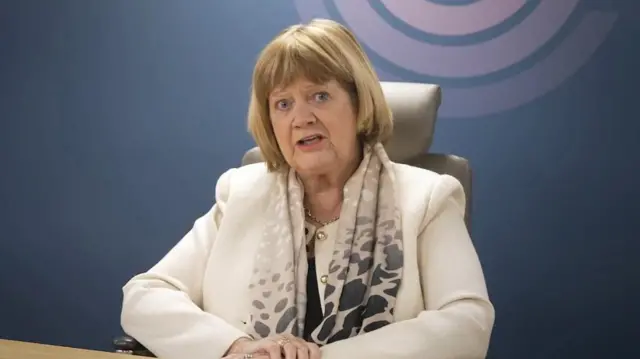
    Screen grab from the UK Covid-19 Inquiry of Baroness Heather HallettImage source, UK Covid-19 Inquiry

    Inquiry chair Baroness Hallett has begun delivering remarks following the publication of today's report.

    She echoes one of the findings from the report that the development and distribution of Covid vaccines was one of the "success stories" of the pandemic.

    She explains that the pandemic was caused by a new pathogen and therefore there were no vaccines or drug treatments available initially.

    Sometimes, she continues, it can take 10 to 20 years for the discovery, development and approval of new vaccines - but within a year the UK had developed the AstraZeneca vaccine and approved access to two others.

    Hallett says this depended on a "huge collaborative effort" between public and private sectors and academia - praising the "excellent" work of the UK's temporary taskforces, in particular the vaccine taskforce, and the willingness of the government to adopt an "at-risk approach" to funding vaccine development.

  11. Covid vaccine rollout a ‘success story’ of pandemic, according to inquirypublished at 12:10 BST

    Jim Reed
    Health reporter, reporting from the inquiry

    Overall the report today describes the Covid vaccine rollout as a “success story” of the pandemic.

    By one measure, those jabs saved 475,000 lives in England and Scotland, it says, with more than 90% of the UK population over 12-years-old receiving at least one dose.

    It was the largest vaccination campaign in history - with 132 million jabs given across the four nations in 2021, an achievement which the inquiry says “showcased many of the best attributes of the UK’s health and scientific systems”.

    The report does though say that take-up was lower in communities with high levels of deprivation and in certain ethnic minority groups, something it says “must be addressed before the next pandemic”.

    The report also highlights the role of drugs used to treat Covid and in particular the RECOVERY trial, run by academics and doctors from Oxford University discovered that a cheap steroid, dexamethasone, could be used to treat some of the sickest Covid patients.

  12. Did the government go too far on vaccines?published at 12:07 BST

    Nick Triggle
    Health correspondent, reporting from the inquiry

    Misinformation spread online about vaccines during the pandemic both damaged uptake of the Covid jab and has subsequently affected confidence more generally in childhood vaccines that have nothing to do with Covid, according to the inquiry.

    But the report also questions whether the government went too far when it tried to force some key workers to get the jab.

    In June 2021 the government announced care workers in England had to be vaccinated to work in care homes to try to boost uptake rates among staff.

    Within months they said they would extend that to all health and care staff. But they scrapped that policy before it was introduced and revoked the mandate on care homes staff amid mounting evidence the jab’s ability to stop infections and therefore curtail spread of the virus was limited – instead its major benefit was protecting those vaccinated against serious illness.

    Vaccine mandates are likely to have contributed to alienation and increased hesitancy, the inquiry warns.

  13. Inquiry calls for ‘urgent’ reform of vaccine damage schemepublished at 12:01 BST
    Breaking

    Jim Reed
    Health reporter, reporting from the inquiry

    Long-term health problems caused by Covid vaccines were rare, the report says, but there was a small group for whom vaccines did cause serious injury or death.

    More than 20,000 people who have made Covid-related claims to the Vaccine Damage Payment Scheme, a form of financial support paid by the government, but only about 1% have resulted in payments - which are one-off tax-free awards of £120,000.

    Today’s report calls for “urgent” reform of that scheme saying that it is “not sufficiently supportive”.

    It says the current system, in which those affected must show they have been at least “60% disabled”, does not work effectively for Covid vaccines.

    It says the payout, which has been capped at £120,000 since 2007, needs to rise “at least in line with inflation” with new levels put in place based on the level of injury suffered.

  14. Development and deployment of vaccines a key success of the pandemic, inquiry sayspublished at 12:00 BST
    Breaking

    Nick Triggle
    Health correspondent, reporting from the inquiry

    The rollout of Covid vaccines – the largest immunisation programme in UK history - was an “extraordinary feat”, the Covid inquiry says.

    It says the way the jabs were developed and deployed so quickly – 132 million jabs were given in 2021 - was one of the key successes of the pandemic along with the speed at which the UK identified which treatments worked best against the virus.

    The positive headlines contrast with the first three reports that were highly critical of the government’s pandemic planning, decision-making and state of the NHS when the pandemic hit.

    But this report does contain a number of criticisms.

    It says the lower vaccine uptake in poorer communities and among some ethnic minority groups was predictable and could have been better mitigated - although it praises the way the Covid vaccine was delivered later in the pandemic via pop-up clinics and in partnership with community and religious groups.

    The spread of false information online and lack of trust in authority combined with how quickly the vaccines had been developed were contributory factors – and communication about benefit and risk needs to be better in the future.

    And the inquiry says more must be done to rebuild trust in vaccines more generally.

    The inquiry also says the current vaccine damage payment scheme needs reform with higher minimum payments and a fairer system needed for assessing who qualifies in the rare cases of harm.

  15. Vaccination – the success story of the pandemic?published at 11:58 BST

    Nick Triggle
    Health correspondent, reporting from the inquiry

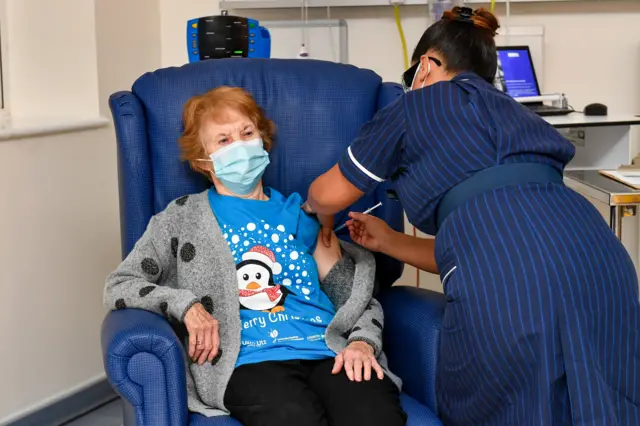
    An elderly woman sitting on a blue leather armchair receives a jab from a matron in a striped dark blue dressImage source, PA Media
    Image caption,

    Margaret Keenan was the first person in the UK to receive a Covid jab outside clinical trials in December 2020

    On 8 December 2020, 90-year-old Margaret Keenan received a Pfizer-BioNTech vaccine at University Hospital in Coventry. It was administered by Matron May Parsons and was the first Covid vaccination given outside of clinical trials.

    It marked the start of what many argue was the most successful element of the government’s handling of the pandemic.

    In the following 12 months nearly 120 million jabs were given as the two-dose immunisation programme was followed up with a programme of boosters.

    Uptake was not even though. More deprived areas and ethnic minority groups were less likely to come forward.

    But, overall, more than 90% of over 12s got at least one Covid vaccine as the UK benefited from its investment in vaccines during the research stages, its world-leading life sciences industry and a centrally-controlled health service that was able to co-ordinate the rollout.

    The latest Covid inquiry report is being released at 12:00 - we'll bring you the key takeaways here. You'll also be able to watch inquiry chair Baroness Hallett discussing the findings at the top of this page from 12:05.

  16. Woman says vaccine damage scheme offers 'too little, too late'published at 11:51 BST

    Jim Reed
    Health reporter, reporting from the inquiry

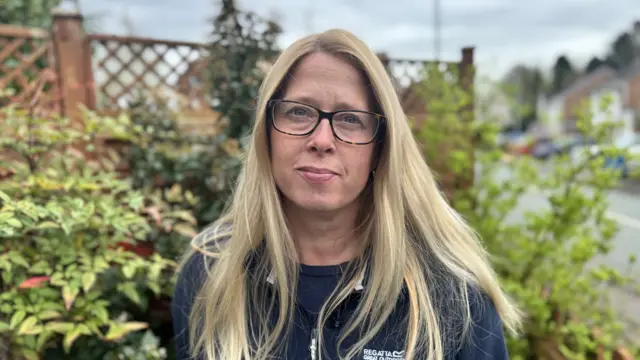
    Kerry Clarkson looks to camera for her picture to be taken. She is standing outside in a suburban area

    Kerry Clarkson, 49, was admitted to hospital in April 2021 weeks after being given the Oxford AstraZeneca jab.

    She was treated for a rare type of blood clot linked to the vaccine and says she still suffers from health problems including damaged lungs, joint pain and nerve damage, and can no longer work full time.

    Clarkson is one of more than 20,000 people who have made Covid-related claims to the Vaccine Damage Payment Scheme, a form of financial support paid by the government, but only about 1% have resulted in one-off tax-free payouts of £120,000.

    In a letter this year she was told the effect on her health was below the 60% disability threshold needed to qualify.

    The inquiry report today will look into the "adequacy of support" for those who, in rare cases, suffered serious harm after taking a Covid vaccine.

    Clarkson and other families affected want an overhaul of the scheme which they say offers "too little, too late, and to too few” along with formal recognition by the authorities of the harm caused.

  17. 'Helping during vaccine rollout made me want to be a doctor'published at 11:42 BST

    Elliot Burrin
    Live reporter

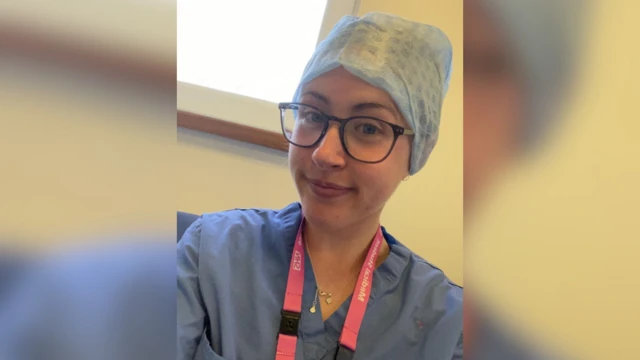
    A young woman wearing scrubs smiles in front of the camera. She's wearing glasses and a hair coverImage source, Liv Flanagan

    Liv was 16 when she did some work experience at her local Covid vaccination centre in Lincolnshire. She helped to check people in and direct them to get their jab.

    "It was so so busy," she tells me. But what she remembers most is "people being so excited" to get the jab.

    "They'd just tell you about how excited they were to hug their grandchildren again," she says.

    Liv is now in her fourth year studying medicine at university - partly inspired by her experience helping the NHS in the pandemic.

    "I really felt as if I was a part of something bigger than me, and that it was one big team effort," she tells me.

  18. What else is the inquiry investigating and when will it publish its other reports?published at 11:33 BST

    Although there will be no further public hearings, theinquiry is still investigating other aspects of the pandemic:

    • Government procurement and PPE
    • The care sector
    • Test-and-trace
    • The impact on children and young people
    • Economic response
    • The impact on society

    The report into procurement is expected in summer 2026, with reports on the care sector and test-and-trace due towards the end of the year.

    The remaining three reports will be published in the first half of 2027.

    Scotland is holding a separate inquiry into the pandemic.

  19. Earlier reports have been highly critical of UK responsepublished at 11:23 BST

    Nick Triggle
    Health correspondent, reporting from the inquiry

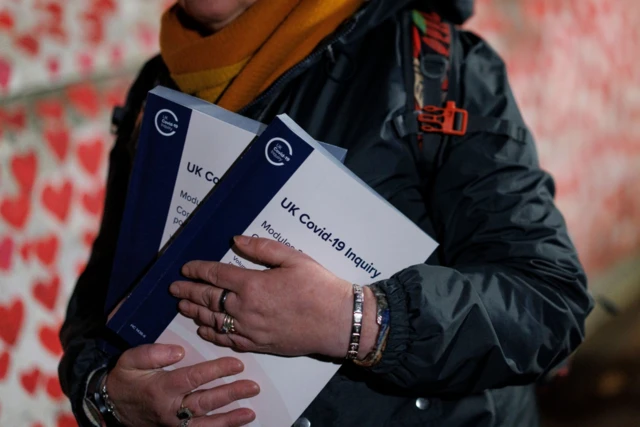
    A woman in a green rain coat holds two copies of a document titled UK Covid-19 Inquiry. Behind her, in the blurred background, is part of the Thames embankment covered in red hearts commemorating victims of coronavirusImage source, EPA

    This will be the fourth report from the Covid inquiry – with another six to follow. It is likely to strike a different tone to the three that came before which were extremely critical of the government.

    The first report in 2024 said the UK was ill-prepared, partly because it had planned for the wrong pandemic – a mild one, where spread of a virus could be managed.

    The second criticised the decision-making when the pandemic hit, saying that lockdown might have been avoided if voluntary steps such as social distancing and isolation had been brought in earlier.

    And it described a "toxic and chaotic" culture at the heart of the government.

    The third, published just last month, looked at the NHS, saying collapse was only narrowly avoided as the health service entered the pandemic with not enough beds or staff.

    It also questioned the stay home messaging designed to protect the NHS, saying it came at a cost by deterring people from seeking help for other conditions.

  20. Scottish Covid inquiry: What it's investigating and how it workspublished at 11:14 BST

    The UK's Covid-19 inquiry covers decision-making by the UK government as well as administrations in Scotland, Wales and Northern Ireland.

    But it's worth noting that Scotland has its own Covid-19 inquiry - which is specifically investigating the devolved responses to the pandemic in Scotland.

    The Scottish inquiry does not cover which jabs were bought, but it will look at the design and delivery of the vaccination strategy as it fell to Scottish ministers to implement these decisions taken at a UK level.

    The UK and Scottish inquiries have agreed, where possible, not to sit at the same time when they are considering material which is relevant to both to try and cut down on any confusion for the public.