| 13 November 2014 |

| |
| BBC Homepage | | |
| |||
| Contact Us | | |
Credit CrunchYou are in: Bradford and West Yorkshire > Credit Crunch > Helping people in debt Helping people in debtBy Christine Verguson Just as the 'credit crunch' began to bite we went along to the debt counselling charity Christians Against Poverty to find out what life was like for their clients. Now we've been back to find out how the economic squeeze is affecting what they do. 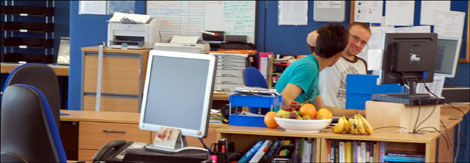 Christians Against Poverty are a nationwide counselling charity which began in Bradford 13 years ago. Their headquarters are still here in Bradford but they work through centres based in local churches across the country. People with financial problems may be referred to these local centres by family doctors, social services, housing and other agencies and the majority of their clients are not church goers.  CAP's HQ in Bradford's Little Germany When we visited CAP at their headquarters in Little Germany in July 2008 they had 72 centres but a year later this has grown to 106. However the charity thinks it's very unlikely that the increase in the number of requests for help can simply be explained by this expansion. Jon Priestley is in daily contact with the local centres. He explains: "We launched a free-phone number last April so potential clients could call us directly at no charge to themselves. We analysed the findings and the calls before Christmas were roughly about 65 a week and then in the period after they were averaging 150 or so a week. Obviously as our centre network expands you have to understand that there's going to be a natural increase in calls but because that increase has almost been exponential then there are other factors coming into play - the worsening recession, people becoming increasing concerned about negative equity and the potential value of their home and the resale value and all those kinds of factors." 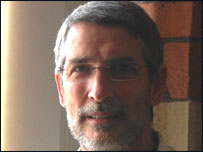 Stephen looks after CAP's debt counselling Client Services Manager Stephen Roberts looks after CAP's debt counselling activities. He says he's noticed a change in the clients they are seeing: "Whereas people with mortgages were probably a much smaller percentage than the people in rented properties, that's changed. I can't give you figures but definitely we've seen a lot of people who were in higher-paid jobs and lose their jobs. We had a case last week of somebody who was on a £4000 [a month] income and is suddenly out of work and on benefits. It makes a huge difference whereas previously I guess the majority of our clients were on benefits or very low pay so I think we've seen a change in the clients who come to us rather than necessarily in the numbers." But now the UK's economy is in recession, is it more difficult to help people once they get into debt? Stephen says: "Coming up with a plan definitely becomes more complex when we are dealing with people who have lost reasonably well-paid jobs and are struggling to meet their mortgages whereas maybe if it's somebody who is on a low income or certainly if they are renting then we can say, 'It's clear from your situation that you are never going to be to repay these debts because they are just high.' Maybe we can go through an insolvency process, through bankruptcy using debt-relief orders, but certainly when you've got somebody with a house involved then you've got to think a lot more carefully about the way forward because the house is very much a risk. 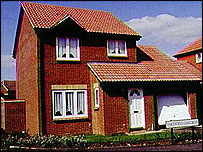 Houses may have to be sold or repossessed "Yes, it makes our job more difficult in the sense that we've got to think carefully about how we give advice to our clients but we always say to clients, 'We can come up with a solution if you want to work with us.' Clients may not always want the solution because the solution may involve selling the house, or allowing it to be repossessed if they are in a really poor situatio,n but at the end of the day it is a solution. The problem for a lot of people is the stress that being in debt puts on them and by moving them into a situation where that stress is less, they can handle the situation and start to rebuild their lives." When CAP's clients are faced with having to make unpleasant decisions to help get themselves out of debt, then it's the support workers at the local centres that have to help them through the situation. Stephen says that while it may be easy to see solutions on paper, "We got to remember these are people's lives we are dealing with. You can't just go in like a bull in a china shop and say, 'This is the solution...' You've got to talk the client around and help them understand the difficulty they are in."  Jon works with CAP's local centres Jon points out that there is often more to being in debt than someone's financial situation: "People who are in debt often have accompanying emotional and psychological difficulties, relationship breakdown and in the more extreme cases, attempted suicide. What we aim to do as a charity is to support them holistically as opposed to saying, 'That's the financial side of things. Off you go and work it out.' We recognise the fact that being in debt is so much more than a financial issue and that's why the advice we offer always come hand in hand with pastoral support because you can't really give one without the other, and if you do then you often end up with people understanding about the finance but saying, 'What about me? What about my life and my relationships?' The impact of debt affects those as well." As yet CAP and its workers have not spotted any signs to suggest the economy is recovering but Stephen says: "We'd probably be the last ones to notice that. The work we are in at the moment is definitely a growth industry. There's absolutely no question about it, even before this. Now we've been going for 13 years and when we started we weren't in recession, we were in a period of growth and for a long time and the fact that debt was blighting people's lives was as true then as it is now. It's just become more in the public eye and it's affected more people, I guess, but the problem is there and, unless things change fundamentally, it will remain there for many years to come." [To contact your nearest Christians Against Poverty local centre 'phone 08003280006] last updated: 15/07/2009 at 17:29 SEE ALSOYou are in: Bradford and West Yorkshire > Credit Crunch > Helping people in debt |
| | About the BBC | Help | Terms of Use | Privacy & Cookies Policy |