Objects around school
Learning Mandarin in school (Check your connection, refresh the page and try again.xué xiào) makes it a great place to practise the language.
There are lots of objects around school that can be useful to know in Mandarin, including your school bag and what you might find inside it.
| Mandarin | Pinyin | English |
|---|---|---|
| Check your connection, refresh the page and try again. | shū bāo | school bag |
| Check your connection, refresh the page and try again. | shū | book |
| Check your connection, refresh the page and try again. | bǐ jì běn | notebook |
| Check your connection, refresh the page and try again. | qiān bǐ hé | pencil case |
| Check your connection, refresh the page and try again. | gāng bǐ | pen |
| Check your connection, refresh the page and try again. | qiān bǐ | pencil |
| Check your connection, refresh the page and try again. | qiān bǐ dāo | pencil sharpener |
| Check your connection, refresh the page and try again. | chǐ zi | ruler |
| Check your connection, refresh the page and try again. | jiǎn dāo | scissors |
To talk about your own school supplies in Mandarin, you can use the phrases:
Check your connection, refresh the page and try again.Wǒ yǒu – I have
Check your connection, refresh the page and try again.Zhè shì – This is
Measure words
To say ‘I have a pencil’ in Mandarin you would not simply say ‘Check your connection, refresh the page and try again.Wǒ yǒu qiān bǐ’ – this misses out the ‘a’.
In Mandarin, measure words are used to describe the type of object being discussed.
For objects around school, these are:
| Measure Word | Use |
|---|---|
| Check your connection, refresh the page and try again.yī gè | For backpacks, pencil cases and pencil sharpeners |
| Check your connection, refresh the page and try again.yī běn | For books |
| Check your connection, refresh the page and try again.yī zhī | For writing tools, eg pens and pencils |
| Check your connection, refresh the page and try again.yī bà | For rulers and scissors |

So, to say ‘I have a pencil’ in Mandarin you would say:
Check your connection, refresh the page and try again.Wǒ yǒu yī zhī qiān bǐ – I have a pencil
Did you know?
You can switch out Check your connection, refresh the page and try again.yī (one) for any other number, eg Check your connection, refresh the page and try again.sān (three), Check your connection, refresh the page and try again.sì (four) etc. except for ‘two’.
When you want to say you have two of something in Mandarin, you don’t use Check your connection, refresh the page and try again.èr (two).
Instead, you use the Mandarin word Check your connection, refresh the page and try again.liǎng.
Places around school
When walking around school, try saying some of the common places in Mandarin.
| Mandarin | Pinyin | English |
|---|---|---|
| Check your connection, refresh the page and try again. | jiào shì | classroom |
| Check your connection, refresh the page and try again. | shí táng | canteen |
| Check your connection, refresh the page and try again. | cāo chǎng | playground |
| Check your connection, refresh the page and try again. | zǒu láng | corridor |
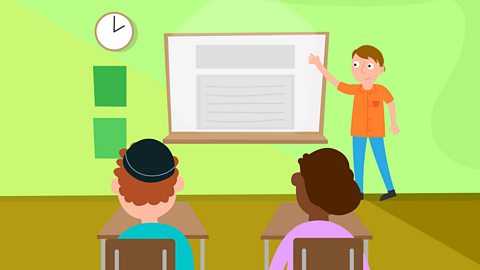
To talk about places around your school in Mandarin, you can use the phrases Check your connection, refresh the page and try again.Wǒ zài (I am at) or Check your connection, refresh the page and try again.Wǒ yào qù (I am going to).
For example:
Check your connection, refresh the page and try again.Wǒ zài shí tang – I am in the canteen
Check your connection, refresh the page and try again.Wǒ yào qù jiào shì – I am going to the classroom
School lessons
Some common subjects studied in school in Mandarin include:
| Mandarin | Pinyin | English |
|---|---|---|
| Check your connection, refresh the page and try again. | shù xué | Maths |
| Check your connection, refresh the page and try again. | yīng yǔ | English |
| Check your connection, refresh the page and try again. | kē xué | Science |
| Check your connection, refresh the page and try again. | dì lǐ | Geography |
| Check your connection, refresh the page and try again. | lì shǐ | History |
| Check your connection, refresh the page and try again. | tǐ yù | PE |
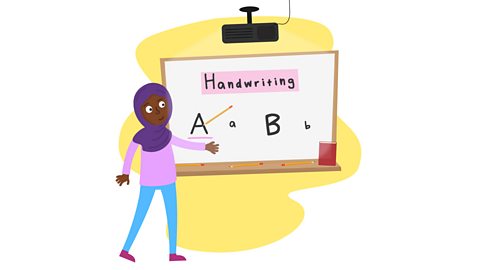
When talking about a lesson in school in Mandarin, you need to add ‘Check your connection, refresh the page and try again.kè’ (lesson) to the end of the subject.
For example:
Check your connection, refresh the page and try again.shù xué kè – Maths lesson
Check your connection, refresh the page and try again.yīng yǔ kè – English lesson
You can then combine this with the Mandarin phrase Check your connection, refresh the page and try again.Wǒ zài shàng (I am having).
For example:
Check your connection, refresh the page and try again.Wǒ zài shàng dì lǐ kè – I am having a Geography lesson
Check your connection, refresh the page and try again.Wǒ zài shàng tǐ yù kè – I am having a PE lesson
There is no measure word needed here.
Quiz
Play Dash and Blink: Missing Mandarin! game
Construct simple phrases and develop an understanding of vocabulary and grammar with this KS2 Mandarin game.

More on Mandarin speaking
Find out more by working through a topic
- count9 of 12

- count10 of 12

- count11 of 12

- count12 of 12