Quick version
The Yorkshire Dales is a popular tourist destination but the large numbers of tourists can result in conflict with different groups, including local people, farmers, industry and people working to conserve the area, such as:
- wear to limestone pavement and paths
- traffic congestion on local roads
- air and noise pollution from visitor traffic
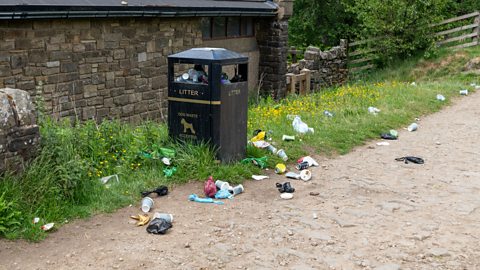
- litter detracts from the appearance of the area
Local industry can also find itself in conflict with tourists and local people:
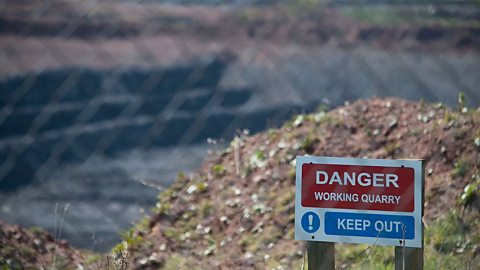
- quarries spoil the look of the natural landscape
- large lorries transporting quarried stone cause air pollution
- blasting of rocks causes noise pollution
- wildlife habitats can also be destroyed in the process
Other conflicts exist relating to:
Farming: - livestock may be disturbed by walkers and their dogs, while farmers may restrict access to walkers or other visitors
Conservation: - large numbers of tourists cause damage to the natural landscape and ecosystem in popular places. Pesticides and fertilisers used on farms may run off into rivers, affecting water quality and aquatic life.
Conflict 1: tourists vs locals
The Yorkshire Dales are a popular tourist destination. The arrival of a large number of tourists to the region can create challenges for the local people who live there.
Below are some of the conflicts which can arise between locals and tourists in coastal landscapes as well as solutions which can be adopted to deal with the identified conflicts.
Click here for a text version of the above information in a table.
| Problems | Solutions |
|---|---|
| The limestone pavements suffer from wear and tear, and from the removal of stone, because of the sheer number of visitors. | Legislation and a warden service are in place to protect limestone pavements. |
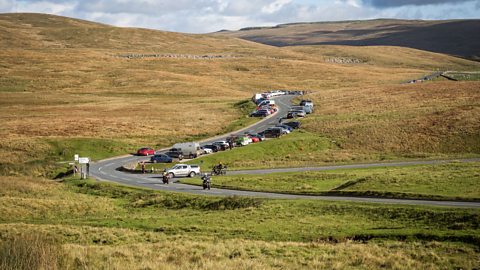
| Severe traffic congestion on local roads near to main attractions like Malham Cove, limits the movement of locals especially during peak season. | The use of public transport, walking and cycling are promoted. |
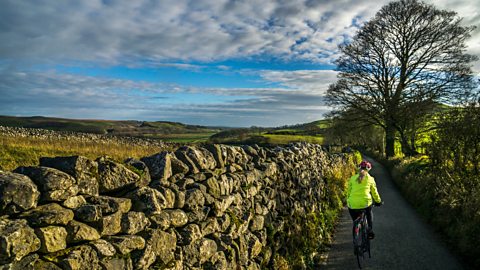
| An increase in vehicles results in a build-up of air and noise pollution from car exhausts. | Cycling is promoted within the National Park, and there are a number of cycle paths. |
| The demand for car parking exceeds the number of spaces provided, which results in parking on grass verges. | Some farmers open up fields for car parking during peak season. A Dales Visitor Guide advising visitors of environmentally positive behaviour has been published. |
| Footpaths have been eroded, particularly in the areas around Malham Cove and Gordale Scar. | Surfacing busy paths and building steps up the side of Malham Cove, to prevent further erosion. |
| Litter detracts from the appearance of the area. | Litter bins have been removed, with the aim of encouraging visitors to take litter home. |
| House prices in the area increase as people move to the area and houses are bought as holiday homes. Local first-time buyers are unable to get onto the property ladder. | National Government schemes offer help to first time buyers. Additional council tax charged for empty properties and holiday homes. New housing banned from use as holiday homes. |
| Areas begin to look artificial as tourist facilities, signs and man-made walkways are constructed. | Developing a wider spread of ‘honeypot’ areas, and the local authority can refuse planning permission for new unsightly developments that conflict with the aims of the National Park. |
- Image source, R A Kearton/Getty images
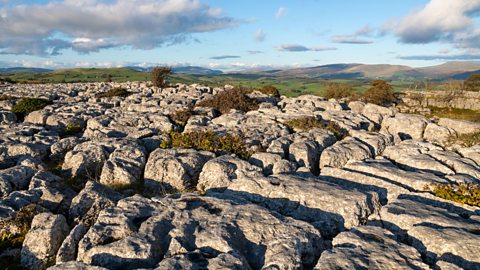
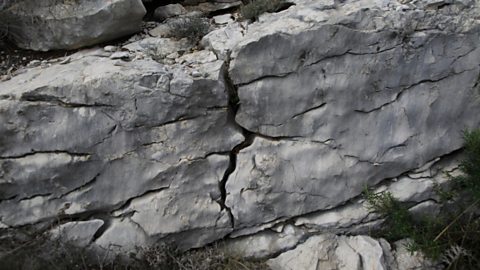
Image caption, Limestone pavement wear
High volumes of visitors can slowly wear and damage limestone pavement, so wardens can create alternative routes to allow affected areas to recover.

1 of 6
Conflict 2: industry vs tourists
Problems can also arise between tourists and industry in upland limestone landscapes - here are some of the key conflicts with solutions which can be adopted to help everyone using the land.
Click here for a text version of the above information in a table.
| Problems | Solutions |
|---|---|
| Quarries are eyesores and spoil the natural beauty of the area | National Park Authorities can insist on companies screening quarries behind trees to reduce visual pollution, eg Ingleton Quarry |
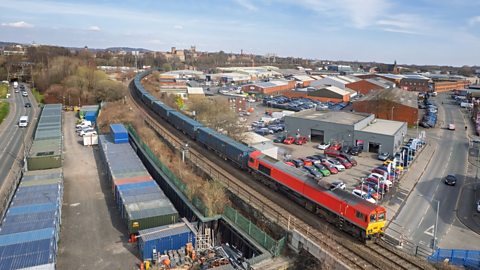
| The large lorries needed to remove the quarried stone cause air pollution from dust and exhaust fumes | Promoting rail transport as an alternative to lorries, eg upgrading the rail facilities at Swinden Quarry near Skipton. Covering the lorries helps to reduce dust |
| Lorries moving quarried rock cause traffic congestion on narrow country roads | The movement of trucks can be restricted to certain times of the day |
| The blasting of rocks causes noise pollution | Blasting can be restricted to certain times of the day |
| Wildlife habitats may be destroyed when new quarries or infrastructure developed | Nature reserves can be located away from quarries to protect wildlife, eg Yellands Meadow Nature Reserve |
| Quarries can leave a scarred landscape when they are finally abandoned | Ensuring the restoration of quarries, eg they can be filled in and landscaped, or turned into a lake or nature reserve |
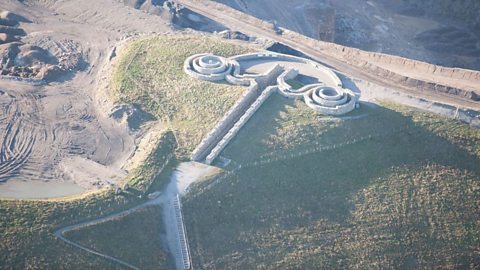
- Image source, Heeritage images/Getty images
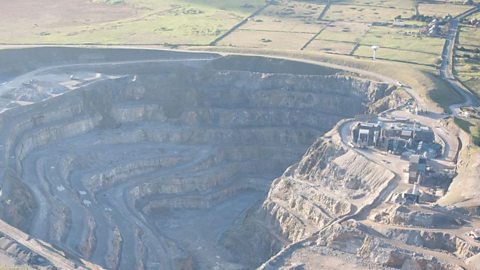
Image caption, Visual pollution
Planting trees or building earth bunds (as used at Coldstones Quarry here) can help screen a quarry from the surrounding road and houses.
1 of 5
More examples of conflict and resolution
Farming
Even though many farmers have diversified their income to take advantage of the tourism trade, they are still running farms which are workplaces with sensitive and dangerous animals so visiting users of the land must remain respectful.
| Problems | Solutions |
|---|---|
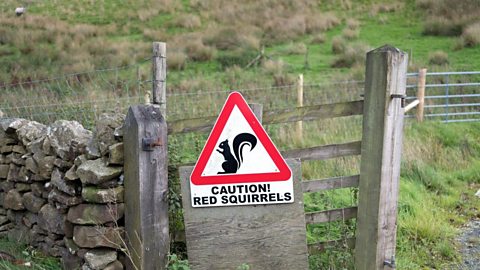
| Litter dropped by walkers can harm livestock | Visitors should take all litter home with them. |
| Leaving gates open can allow livestock to escape, creating more work for farmers and putting animals in danger from traffic. | Visitors should always close gates behind them and make themselves aware of the Countryside Code |
| Loose dogs can chase and worry sheep. This can cause injury, and the stress can cause pregnant ewes to miscarry during the lambing season. | Visitors should keep dogs under control and on a lead where they are close to livestock. |
| Dog waste can be a health hazard to people and livestock. Plastic poo bags can be dangerous to livestock and wildlife | Owners should take dog waste away with them for disposal. Dogs should be wormed regularly to prevent them passing on parasites or infections. |
| Cattle can be dangerous especially when looking after calves. | Farmers can put up signs to make visitors aware of where cows are. Visitors should act responsibly to avoid spooking cattle. |
| Holiday accommodation on working farms can risk disturbing livestock or disrupting farming activity | Visitors can be informed in advance on how to prevent impact on farm workings or block any access with their own vehicle. |
Conservation
Although encouraging access to the Yorkshire Dales is a main goal of the National Park, conservation and protection of the landscape and its wildlife will always be the priority.
| Problems | Solutions |
|---|---|
| Litter dropped by walkers can harm livestock. | National Park rangers patrol areas and issue fines for littering. |
| Footpaths can be closed temporarily to allow the vegetation to recover. This may annoy visitors | Park rangers put up signs and provide information on which areas are closed and why. |
| Pesticides and fertilisers used on farms may run off into rivers, affecting water quality and aquatic life | Catchment Sensitive Farming schemes offer advice and grants to farmers to help them reduce pollution from their farms. |
| Large numbers of parked cars and coaches can be an eyesore. | Screening car parks and coach parks helps preserve the look of the landscape. |
| Dog waste can be a health hazard to people and livestock. Plastic poo bags can be dangerous to livestock and wildlife. | Owners should take dog waste away with them for disposal. Dogs should be wormed regularly to prevent them passing on parasites or infections. |
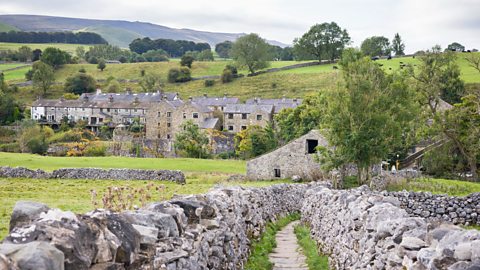
| New buildings and development can destroy the traditional character of villages and towns | Designated Conservation Areas have restrictions on what new building or alterations to existing buildings can be carried out |
| Development and large numbers of visitors can threaten or destroy wildlife habitats | Areas can be classed as Sites of Special Scientific Interest or Special Protected Areas to protect biodiversity. Nature reserves are managed by groups such as Yorkshire Wildlife Trust to protect or restore habitats. |
Transport
The nature of the Yorkshire Dales National Park landscape means there are not many big roads and these can quickly become busy and difficult to navigate during busy seasons and around attractions.
| Problems | Solutions |
|---|---|
| High volumes of traffic through towns and on country roads causes congestion, noise and pollution, as well as increasing travel times for locals and visitors. | Dales Bus has additional services during weekends and holidays. Visitors can travel through the Yorkshire Dales on the Embsay & Bolton Abbey Steam Railway. |
| Some areas of the Dales are difficult to access without your own transport, increasing the number of cars. | Bicycle rental or touring is encouraged as another way to visit the Yorkshire Dales. Signed routes like The Yorkshire Dales Cycleway encourage more cycling as a way to see many parts of the National Park. |
Renewable energy
Although renewable energy is a crucial part of combatting climate change, it is more complicated when it comes to finding the right space for this in a protected landscape.
| Problems | Solutions |
|---|---|
| Large scale energy projects are seen as an eye sore and can damage the landscape and wildlife habitats | The National Park Authority encourages small scale and domestic renewable projects, such as the River Bain Hydro project which can meet the electricity need of 28 homes. |
| Local people do not see any benefit from energy projects | River Bain Hydro is community-owned and profits are used to fund local environmental projects. |
Quiz
Recap
The Yorkshire Dales are a popular tourist destination this can lead to a variety of conflicts arising between locals and tourists as well as tourists with industry.
In addition these two groups also can have conflicts resulting from the shared land use with farming, conservation, transport and renewable energy. The table below highlights some of the solutions to some of the main conflicts.
| Problems | Solutions |
|---|---|
| High numbers of tourists in summer can create traffic congestion and increase journey times and noise/air pollution for locals. | Improving public transport and encouraging its use along with cycle paths can help reduce congestion. |
| Popular tourist areas may see damage to limestone pavement and vegetation over time as well as increased litter. | Legislation protects limestone pavements and other unique features of the National Park. Wardens can issue fines for littering and can restrict access to damaged areas. |
| Quarries can be an eye sore on the landscape. | Screening from trees and bunds can both help reduce the visual impact on a landscape as well as any related noise pollution. |
| Farming activities and livestock may be disturbed by visitors. | Signs on gates and walks as well as Dales Visitor Guide which advises visitors on responsible behaviour. |
| Air pollution from lorries relating to industrial activity. | Rail transport for quarried stone benefits road congestion as well as air quality. |
| Second home ownership and holiday lets increase house prices making it harder for locals to stay in the area. | National Park Authority rules prevent new housing being used as holiday homes. Additional council tax charged for second homes. |
More on Upland limestone landscapes
Find out more by working through a topic
- count1 of 5