What is Remembrance Day?
Remembrance Day is a day when people in the UK and around the world remember all those whose lives have been affected by war and conflict.
It is held every year on 11 November to mark the end of World War One.
World War One war ended in 1918 at exactly 11 o'clock in the morning of Sunday 11th November, after both sides agreed to stop fighting.
Watch - What is Remembrance Day?
Learn more about this special day in this video.
Remembrance Day is held on the 11th of November each year.
It marks the day the fighting in World War One ended, at 11am on the 11th day of the 11th month, in 1918.
On Remembrance Day, people in the UK and around the world hold a two minute silence to remember all those whose lives have been affected by war and conflict.
A tune called ‘The Rouse’ is played on a bugle to signal the end of the silence.
Millions of people participate in Remembrance Day commemorations, including the Royal Family and politicians who pay their respects by laying wreaths at the Cenotaph in London.
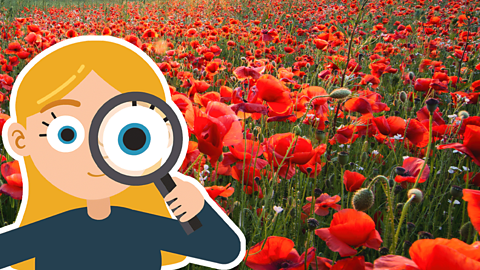
You might have seen people wearing a poppy in November but why is the symbol a poppy?
A poppy is worn around the world to remember those who have died in war.
When World War One ended, poppies were one of the only flowers that grew on the battlefield, so it became a symbol of hope for a peaceful future.
The use of the poppy symbol was also inspired by the poem 'In Flanders Fields'.
A Canadian soldier called John McCrae wrote a poem about the poppies growing among the graves of soldiers in Belgium.
“In Flanders fields, the poppies blowBetween the crosses, row on row”
Although World War One ended over 100 years ago, many believe it is important to remember those who have lost their lives in war.
As well as remembering the past, Remembrance Day gives us all the opportunity to think about peace and think about how we can help make the world a kinder, safer place for everyone.
What happens on Remembrance Day?
On Remembrance Day, people remember those who lost their lives in World War One and in more recent conflicts.
They do this by:
holding a two-minute silence
wearing a red poppy
attending church services
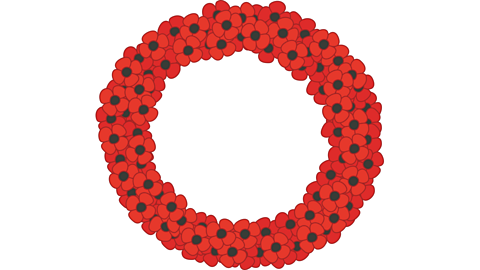
In London, many servicemen and women march past a memorial called the Cenotaph and lay poppy wreaths.
History

Remembrance Day began in 1919, a year after World War One ended.
People across the country stopped what they were doing to remember those who had died in the war.
Have a look at the information and activities below to learn more about World War One and Remembrance Day.
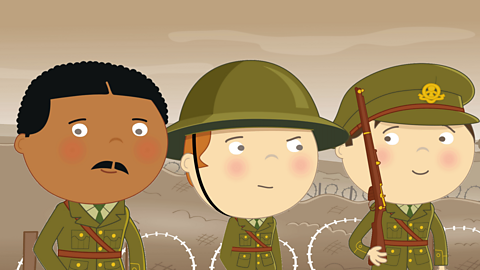
World War One
World War One started in 1914 and lasted for four years.
During the war, millions of soldiers lost their lives.
In 1918, a truce or an agreement to stop fighting, was called to end the war.
This was called the Armistice.
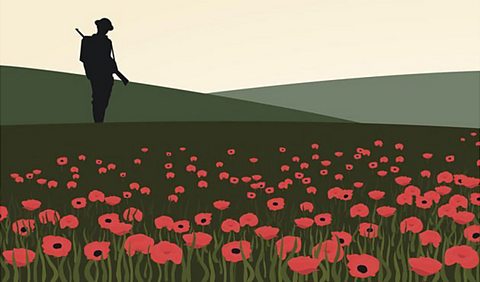
Why do people wear poppies?
People around the world wear a poppy on Remembrance Day to remember those who have died in war.
After World War One ended, many poppies grew on the battlefields in France and Belgium.
People began wearing poppies for Remembrance Day in 1921.
Paper poppies are still sold today for charity.
Activity - Create a poppy field
Take a look at this slideshow to learn how to create your own poppy field picture.
You will need:
- Paper
- Red, black and green paint
- A paintbrush
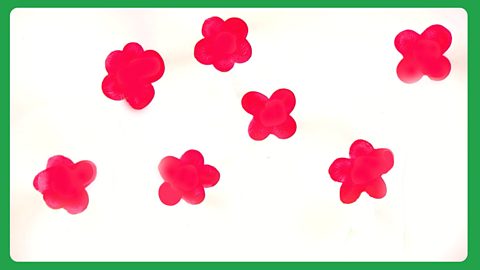
Image caption, Step 1
With the red paint, use either a paintbrush or your finger to create the petals of the poppy.
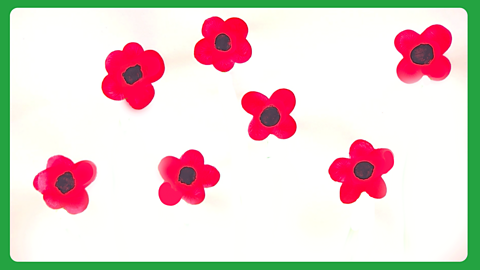
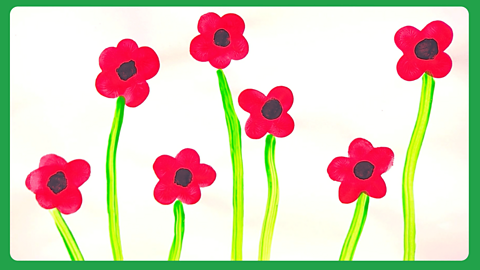
1 of 3
Discover more on KS1 History
Have a look at these articles to learn about some important people from World War One and what life was like in the past.
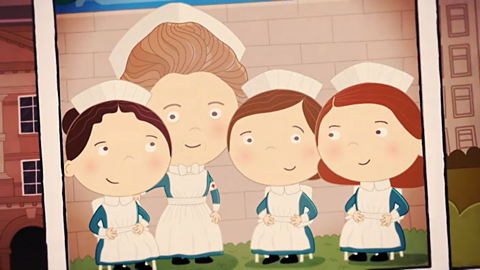
Who was Edith Cavell?
KS1 History
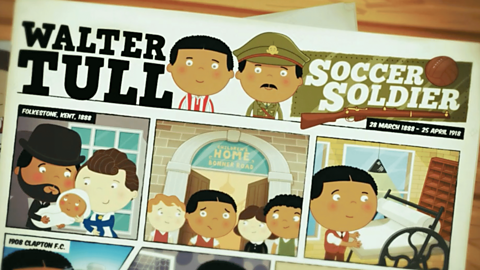
Who was Walter Tull?
KS1 History
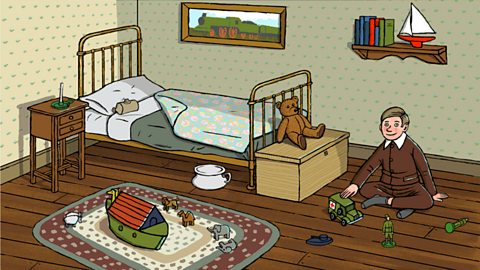
How have toys and games changed?
KS1 History
Art and Design

Artists have been creating flowers in their art for hundreds of years.
This can be through paintings, sculptures or even collages.
Have a look at the information and activities below to learn more.
Poppies in art
Poppies have always been a popular flower for artists to paint, even before World War One.
Famous artists who have painted poppies include Claude Monet and Vincent van Gogh.
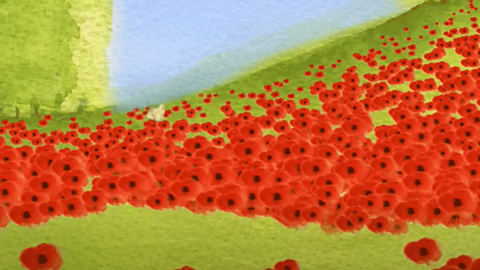
The poppy's simple red petals, black centres and green leaves can make them very easy to recognise.
These poppies are from a Cbeebies animation all about Remembrance Day.
Activity - Poppy colouring
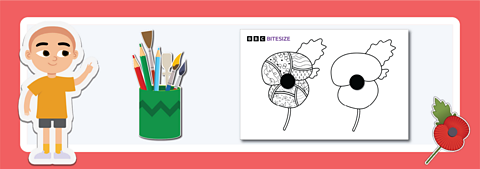
Grab your crayons, felt tips, or colouring pencils and create your own Remembrance Day Poppy.
You can print off the downloadable colouring sheet or even draw your own.
Discover more on KS1 Art and Design
Learn more about painting, sculpture and collage with these articles.
What is expressionist painting?
KS1 Art and Design
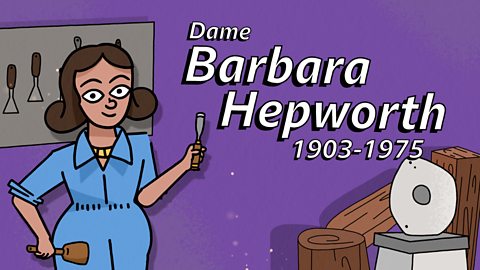
Who was Barbara Hepworth?
KS1 Art and Design
Brianna McCarthy and collage
KS1 Art and Design

Quiz - Remembrance Day
Have a go at this quiz and test your knowledge of Remembrance Day.