What was the background to the partition of Ireland?
Before 1922, all of Ireland was ruled directly from The London location of the British government..
However, many Irish people wanted independence from Britain.
Those who did were known as People who believe their country should be independent from other nations. For example, Irish nationalists, who want Ireland to be fully independent of Britain. and by late 1918 most of them supported An Irish republican party. Founded in Dublin in 1905, Sinn Féin came to prominence in the aftermath of the 1916 Easter Rising. Its subsequent growth in popularity led to Sinn Féin candidates winning the majority of Irish seats in the December 1918 General Election. Subject to a number of splits in subsequent years, the party maintained its association with the Irish Republican Army (IRA) and, post-1969, the Provisional Irish Republican Army (PIRA).., which had become the largest political party in Ireland after the December 1918 General Election.
To try to achieve independence, the new Sinn Féin MPs refused to take their seats (abstained) at Westminster in London.
Instead, in January 1919, they set up a rival parliament in Dublin, called The lower house in the Irish parliament.
What was the Anglo-Irish War?
In January 1919, the A republican paramilitary group which was determined to create an Irish Republic as proclaimed in the 1916 Easter Rising. started a A military strategy in which small groups of people - who are not usually regular soldiers - fight using irregular tactics. It is difficult for large armies to fight against this method using traditional tactics. against the British.
This was known as the Anglo-Irish War and was a very violent conflict.
At the same time, Belonging to a religious or political group and being intolerant of those with different opinions. If you're a religious sectarian, you are loyal to a particular religious sect or group. violence erupted in the northern counties, particularly in the cities of Belfast and Londonderry.
To deal with this sectarian conflict, The London location of the British government. established the mainly ProtestantA mainly Protestant reserve police force set up in late 1920..
Westminster also started looking for a political solution and the result was the Government of Ireland Act, December 1920, whichThe division of a country into two regions. Ireland.
It stated that Ireland would remain part of Britain but a The idea that Ireland should have a parliament to look after local issues. Parliament in Dublin would be given some control over their own affairs.
What were the terms of the Government of Ireland Act, 1920?
The key terms of the Government of Ireland Act were as follows:
- Ireland divided The division of a country into two regions. into Northern Ireland and Southern Ireland (which would later become known as the Irish Free State).
- Northern Ireland would consist of counties Antrim, Armagh, Down, Fermanagh, Londonderry and Tyrone. Southern Ireland was to be made up of the remaining 26 counties.
- Each region was to have a The idea that Ireland should have a parliament to look after local issues. to deal with local issues, such as education and health. Britain would continue to look after major policies, such as foreign policy and the military.
- An electoral system in which parties gain seats in proportion to the number of votes cast for them. would be used in elections to ensure minorities were properly represented.
- The local parliaments would be responsible for some taxes, for example road tax, and Westminster would control the main taxes, for instance The tax people have to pay to the government based on their yearly income..
- A Council of Ireland, with representatives from North and South, would be set up to discuss issues of mutual interest and to work towards establishing a single parliament for the whole of Ireland.
There was a wide variety of reactions in Ireland to the Government of Ireland Act 1920.
Elections for the new parliaments were held in May 1921.
What was the reaction in the North?
Northern unionist reaction
For many years before 1920, northern A person who believes the union between Britain and Northern Ireland should continue. had campaigned againstThe idea that Ireland should have a parliament to look after local issues. as they feared being dominated by a Catholic majority in a Dublin parliament.
They thought all-Ireland Home Rule would mean “Rome Rule”.
They specifically disliked certain parts of the Act, such as:
- The Council of Ireland and its aim of eventually establishing a parliament for the whole island.
- The reduction in the number of Ulster MPs at The London location of the British government..
- The loosening of Ireland’s union with Britain.
However, northern Unionists accepted the Government of Ireland Act because:
- They would still be part of the United Kingdom and Commonwealth, and be ruled by the King
- They would have a parliament of their own in Belfast, to control their own affairs, and would not have to join a Catholic dominated all-Ireland parliament.
- They had a secure Protestant majority in the six counties (65% Protestant, 35% Catholic) and so could pass laws which suited them.
- They could eventually abolish An electoral system in which parties gain seats in proportion to the number of votes cast for them. which would increase their political dominance.
Realising that the Act was the best possible they could achieve in the circumstances they quickly organised elections for their new parliament.
1921 Northern election (March 1921)
In the election, the Ulster Unionist Party, led by Sir James Craig, won 40 of the 52 seats.
Craig became the first Prime Minister of Northern Ireland.
The new parliament was opened in June, by King George V, in its temporary accommodation in Belfast City Hall.
Northern nationalist reaction
The northern People who believe their country should be independent from other nations. For example, Irish nationalists, who want Ireland to be fully independent of Britain. and their leaders, like Joe Devlin, were very alarmed by the Government of Ireland Act:
- They were disappointed Ireland did not become independent.
- They hated the The division of a country into two regions. of the island.
- They felt isolated in a Protestant-dominated Northern Ireland.
- They were dismayed at the lack of safeguards for their position.
Many northern nationalists were convinced that partition would not last and so they refused to recognise the new state.
As a result, unionists believed that nationalists wanted to destroy Northern Ireland.
The high levels of Belonging to a religious or political group and being intolerant of those with different opinions. If you're a religious sectarian, you are loyal to a particular religious sect or group. violence in the early months of Northern Ireland’s existence increased each side’s doubts and suspicions.
What was the reaction in the South?
Southern unionist reaction
Southern unionists were very dissatisfied as the Act had a great impact on them.
They felt betrayed by both the British and by northern unionists because The division of a country into two regions. left them isolated in the new southern state.
They felt economically, politically and physically vulnerable.
Southern nationalist reaction
An Irish republican party. Founded in Dublin in 1905, Sinn Féin came to prominence in the aftermath of the 1916 Easter Rising. Its subsequent growth in popularity led to Sinn Féin candidates winning the majority of Irish seats in the December 1918 General Election. Subject to a number of splits in subsequent years, the party maintained its association with the Irish Republican Army (IRA) and, post-1969, the Provisional Irish Republican Army (PIRA).. decided to play no role in the negotiations leading to the Government of Ireland Act because independence was not offered.
They rejected the Act completely as they disliked many parts of it, particularly:
- The lack of complete independence.
- The introduction of The division of a country into two regions..
However, Sinn Féin used the The demand by countries within the British Empire to be given the right to govern themselves independently but remain within the British Empire. elections in May 1921, to elect a second The lower house in the Irish parliament. and the Anglo-Irish War continued.
Why was the Anglo-Irish Treaty signed?
By mid-1921, both the British government and most People who believe their country should be independent from other nations. For example, Irish nationalists, who want Ireland to be fully independent of Britain. realised that they had reached a military A situation where neither side can win. in the Anglo-Irish War which had dragged on since 1919.
The actions of the A republican paramilitary group which was determined to create an Irish Republic as proclaimed in the 1916 Easter Rising. and the activities of the British Black and Tans (an armed force set up to provide back up to the The Royal Irish Constabulary was the police force in Ireland from 1822 until 1922 in their fight against the IRA) were increasing bitterness and distress.
The cost of the war was escalating rapidly and the destruction of property was on a huge scale.
Leading churchmen and the King called for an end to the violence.
Also, the British government needed more time to focus on other pressing matters, like social problems and the economic slump following World War One.
So, a truce was called in July 1921 and negotiations were held in London.
After two months of talks, the nationalist delegation reluctantly accepted the terms presented by Prime Minister David Lloyd George.
The Anglo-Irish War was finally brought to an end by the Anglo-Irish Treaty, 1922.
What were the terms of the Anglo-Irish Treaty?
The Anglo-Irish Treaty established a The idea that Ireland should have a parliament to look after local issues. for Southern Ireland and gave the region a degree of independence from Britain.
The main terms were:
- Southern Ireland would be known as the Irish Free State.
- It would have its own parliament in Dublin, elected by An electoral system in which parties gain seats in proportion to the number of votes cast for them..
- It would be a When a country is still part of the British Empire, but is allowed to rule itself. within the An association comprising the UK, its dependencies, and many former British colonies..
- Members would take an Oath of Allegiance to the British monarch.
- The King’s representative in the Irish Free State would be a Governor-General.
- The British would withdraw its military, except from three strategic ports (Cobh, Berehaven, Lough Swilly)
- It would have its own army.
- Free State citizens could appeal judgements in law cases in the A group of senior politicians who advise the monarch..
- Northern Ireland had the right to opt out of the Irish Free State.
- A Boundary Commission would be set up to decide the exact location of the border between Northern Ireland and the Irish Free State.
What was the impact of the Treaty on Southern nationalism?
Although it was still not full independence, the Anglo-Irish Treaty gave Dublin more power than the Government of Ireland Act had done.
However, the Treaty divided Irish A person who wants to establish an all Ireland republic completely independent of Britain..
Treaty Supporters
Many Treaty (agreement) which established the Irish Free State in 1922.supporters, like chief Irish negotiator Michael Collins, also disliked the terms but felt they were:
A step towards independence which could be built on.
The best dealPeople who believe their country should be independent from other nations. For example, Irish nationalists, who want Ireland to be fully independent of Britain. could get at that time, especially as the British had threatened to restart the war and many nationalists in Ireland wanted peace.
The links with Britain were only symbolic.
Treaty Opponents
Although the new Irish Free State had more rights and responsibilities than Northern Ireland, some parts of the Treaty (agreement) which established the Irish Free State in 1922. were particularly resented by the anti-treaty nationalists.
These were:
- The division of a country into two regions. – which meant the abandonment of half a million People who believe their country should be independent from other nations. For example, Irish nationalists, who want Ireland to be fully independent of Britain. living inside Northern Ireland.
- The Oath of Allegiance to the King.
- The role of the The representative of the monarch in a country that is still part of the British Empire, but is allowed to rule itself. in the Irish Free State.
- The power of the A group of senior politicians who advise the monarch.
- The Irish Free State's When a country is still part of the British Empire, but is allowed to rule itself. within the An association comprising the UK, its dependencies, and many former British colonies..
After a long and angry The lower house in the Irish parliament. debate, the Treaty was eventually accepted by 64 votes to 57.
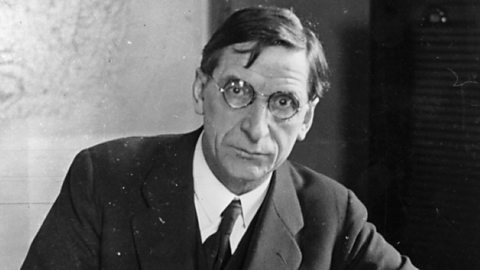
Those who opposed it, such as Éamon de Valera, the leader of An Irish republican party. Founded in Dublin in 1905, Sinn Féin came to prominence in the aftermath of the 1916 Easter Rising. Its subsequent growth in popularity led to Sinn Féin candidates winning the majority of Irish seats in the December 1918 General Election. Subject to a number of splits in subsequent years, the party maintained its association with the Irish Republican Army (IRA) and, post-1969, the Provisional Irish Republican Army (PIRA).. and President of the Dáil, walked out in protest.
The resulting split in Sinn Féin and the IRA eventually developed into a A war fought between two or more sides from the same country. between the pro-Treaty and anti-Treaty sides which lasted from 1922 to 1923.
In the end, the pro-Treaty side won and, under the leadership of Cumann na nGaedheal, the Free State set about establishing the new state and increasing its independence from Britain.
During this period, Éamon de Valera continued to lead the anti-Treaty side.
In 1926, he left Sinn Féin and established An anti Anglo-Irish Treaty party when founded by Éamon de Valera in 1926, Fianna Fáil has held power for most of the years since 1932..
It entered the Dáil Éireann in 1927 and within a year had become the official opposition party.
How did it impact relations between the Irish Free State and Britain?
Whilst relations between the Irish Free State and Britain had been very bitter during the A conflict between the Irish Republican Army (IRA) and the British security forces in Ireland in 1919-1921, which was concluded by the signing of the Anglo-Irish Treaty between the Irish and British governments., there was less animosity over the terms of the Treaty (agreement) which established the Irish Free State in 1922.
The British were satisfied that the Irish Free State was still in the An association comprising the UK, its dependencies, and many former British colonies., the King’s role was recognised and they had the use of Three ports at Berehaven, Cobh and Lough Swilly which Britain controlled under the terms of the Anglo-Irish Treaty. These were later transferred to Éire under the terms of the Anglo Irish Agreements, 1938..
Relations between Northern Ireland and the Irish Free State were poor.
James Craig, who had refused to participate in the Treaty negotiations, was furious at the final terms.
Unionists believed:
- The Treaty’s terms violated the 1920 Government of Ireland Act.
- The unity of the United Kingdom and the Commonwealth had been weakened.
- The security of Britain was under threat due to the loss of most of its military bases in the Irish Free State.
- The An official body which met in 1924 and 1925 to decide on the exact location of the border between the Irish Free State and Northern Ireland. It comprised one member from Northern Ireland, one from the Irish Free State and a neutral chairman. was a threat to Protestants in the border communities.
Craig promptly opted Northern Ireland out of the Treaty arrangements.
Northern People who believe their country should be independent from other nations. For example, Irish nationalists, who want Ireland to be fully independent of Britain. were divided over the Treaty.
At the same time, the Boundary Commission held out some prospect of making Northern Ireland too small to survive.
Quiz: Reaction to the Treaty
What was the role of the Boundary Commission 1924-1925?
The Treaty (agreement) which established the Irish Free State in 1922. stated that a An official body which met in 1924 and 1925 to decide on the exact location of the border between the Irish Free State and Northern Ireland. It comprised one member from Northern Ireland, one from the Irish Free State and a neutral chairman. should decide the exact location of the border between the Irish Free State and Northern Ireland.
The border was to be, ‘in accordance with the wishes of the inhabitants, so far as they might agree with economic and geographic conditions’.
A person who believes the union between Britain and Northern Ireland should continue. hoped the economic conditions would be the main test used; People who believe their country should be independent from other nations. For example, Irish nationalists, who want Ireland to be fully independent of Britain. hoped the wishes of the people would dominate.
The Commission was made up of three representatives; one from Northern Ireland, one from the Irish Free State and a Not favouring either side in an argument or conflict. chairman.
It did not begin its work until late 1924 because:
- The A conflict between Irish nationalists in 1922-23 over whether to accept the Anglo-Irish Treaty or reject it. had raged on until 1923.
- Sectarian violence was disrupting Belfast.
- The British were reluctant to make any changes which might be contentious and lead to the fall of the new governments in Ireland.
- Unionists, who were content with the existing border and feared Northern Ireland would be undermined, had refused to nominate a representative.
What were the findings of the Boundary Commission?
The Boundary Commission’s findings that there would be minor changes to the boundary were leaked to The Morning Post newspaper.
Not only was the border left largely as it was, the Commission actually recommended giving some land from the Irish Free State to Northern Ireland.
The three governments held urgent talks because rumours around the Boundary Commission’s precise decision were causing unrest in Ireland.
They agreed Boundary Commission terms:
- The border would remain unchanged.
- The proposed Council of Ireland would be abolished.
- Northern Ireland did not have to pay any more In the past, Britain had made loans to Irish tenant farmers to help them buy their land. Land annuities were repayments of those loans..
- The The lower house in the Irish parliament. would not have to pay towards the United Kingdom’s Money that a country has borrowed and will have to pay back. (as agreed in the Treaty) but would pay pensions to The Royal Irish Constabulary was the police force in Ireland from 1822 until 1922members.
What was the reaction to the Boundary Commission?
Nationalists
Most of these terms proved unpopular with People who believe their country should be independent from other nations. For example, Irish nationalists, who want Ireland to be fully independent of Britain..
- They had expected areas with Catholic majorities in the border regions to be transferred to the Irish Free State
- Southern nationalists were angry with their government because it had not got a substantial revision of its frontiers.
The division of a country into two regions. now seemed permanent and so nationalist MPs finally started attending the Northern Ireland Parliament.
Unionists
A person who believes the union between Britain and Northern Ireland should continue. in Northern Ireland were delighted that no territory changed hands and the Proposed as part of the Government of Ireland Act 1920, this would contain representatives from North and South, would be set up to discuss issues of mutual interest and to work towards establishing a single parliament for the whole of Ireland. would never meet.
WATCH: The partition of Ireland
For centuries the island of Ireland had been ruled directly by Britain, but in the 1920s that changed dramatically.
Many Irish nationalists supported the Sinn Féin party who wanted an independent Irish Republic and whose MPs set up a rival government in Dublin called the Dáil.
At the same time, the IRA began a campaign of guerrilla warfare against the British, who responded with force.
This was known as the Anglo-Irish War.
The violence and terror of this war was so great that it forced the British Prime Minister, David Lloyd George, to pass the Government of Ireland Act in 1920.
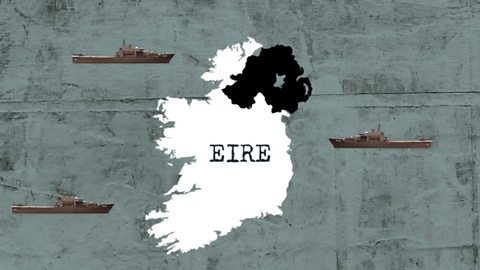
The Act partitioned the island of Ireland, creating two new states.
The six north-eastern counties became Northern Ireland, and a Home Rule parliament in Belfast was set up.
Britain remained in overall control, though.
The other 26 counties established a parliament in Dublin that claimed to act on behalf of the entire island.
However, the Dublin parliament had no control over the six northern counties and had, for the time being, to remain within the British Commonwealth.
In many ways, this didn’t satisfy anybody.
Unionists were worried that this was a sign of weakening links with Britain but saw partition as a necessary evil and really the only way to secure their place in the United Kingdom.
Nationalists in the north felt betrayed and abandoned.
They hated partition and felt vulnerable.
But many southern nationalists were prepared to settle for the deal, seeing it as a stepping stone towards a future 32-county Irish Republic and believing that partition wouldn’t really last.
As the Anglo-Irish War continued to rage, Britain was coming under pressure to spend its time and resources on its own social problems rather than Ireland’s political ones.
This, along with the desire for an end to violence on both sides, led to a truce and the Anglo-Irish Treaty of 1921.
Michael Collins, who was leader of the IRA during the War of Independence, was led by the British to believe that the Boundary Commission would see large chunks of Northern Ireland handed over to Dublin, making the new northern state unviable.
The Treaty established greater independence from Britain for the 26 counties, which now became known as the Irish Free State.
However, the terms of the Treaty meant that the Irish Free State stayed within the British Commonwealth.
MPs had to swear an oath of allegiance to the King, and the partition of the island remained in place.
The Treaty was signed by representatives of southern nationalists, including Michael Collins, but it led to a huge split in southern nationalism.
Éamon de Valera, the leader of Sinn Féin, refused to accept it.
They didn’t want any role for Britain in Irish affairs, whereas Collins and the pro-Treaty group felt that it was a step towards full independence and the best they could achieve at the time.
This eventually led to a vicious civil war in Ireland that created a rift lasting for generations.
So, although it ended the Anglo-Irish War, the Anglo-Irish Treaty also strengthened partition, and the creation of Northern Ireland was bitterly opposed by the large nationalist minority living in the six counties.
This would continue to cause conflict for years to come.
How much do you know about the partition of Ireland?
More on Changing relations: Northern Ireland and its neighbours, 1920-49
Find out more by working through a topic
- count2 of 8
- count3 of 8
- count4 of 8