Biotic factors that affect communities
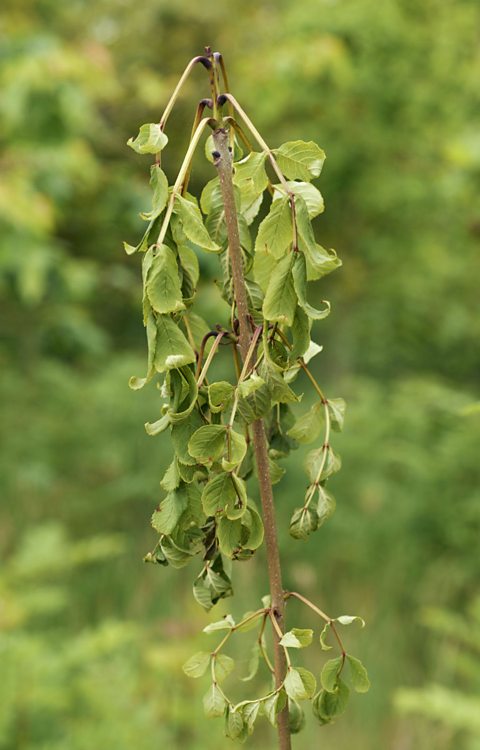
Ash dieback disease
The abundance and distribution of organisms in an The living organisms in a particular area, together with the non-living components of the environment. are affected by Living elements of an ecosystem, such as plants and animals. factors, which involve living organisms.
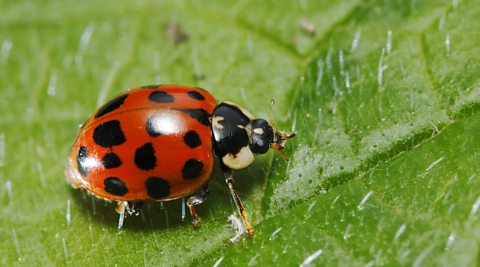
The harlequin ladybird
They include:
- availability of other organisms for food
- the arrival of new An animal that hunts, kills and eats other animals for food.:
- in balanced ecosystems, predators and Organisms that predators kill for food. have The process of change in the inherited traits of a population of organisms from one generation to the next. together
- the arrival of a new predator will disrupt numbers of prey and other organisms
- for example, the introduction of rats to certain Pacific islands has led to the extinction of bird A type of organism that is the basic unit of classification. Individuals of different species are not able to interbreed successfully.
- new diseases:
- when organisms are brought into new ecosystems, they often bring new Microorganism that causes disease.
- for example, ash dieback, caused by a fungus identified in Poland in 1992, and thought to have arrived in the UK in 2012
- one species outcompeting another:
- when a newly-introduced species outcompetes a native species
- for example, in the 19th century, grey squirrels were brought over from North America and outcompeted the smaller native red squirrel - and also transmitted deadly pox virus
- for example, the harlequin ladybird, which arrived in the UK in 2004, outcompetes British ladybirds for food, and also preys on them
The spread of the harlequin ladybird in the British Isles, 2004-2014
