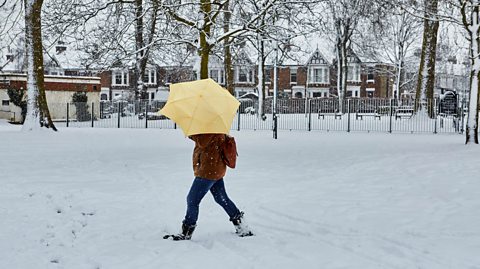
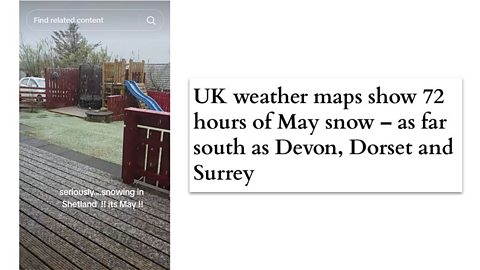
Is it really going to snow in May? We may have been enjoying a few sunny spells in the UK in the past few weeks - but some socials and one report suggest we should be digging our sledges out from the shed this week.
How much faith can we put in these reports? One article even suggested close to 30 hours of snowfall across northern England and the Midlands over Tuesday and Wednesday. BBC Bitesize Other Side of the Story spoke to the weather experts at the Met Office about the times flake news can also be fake news.
Can we trust a forecast for snow?
We have to be careful when we see posts on social media like the ones above. They're not official.
The Met Office has its own TikTok account and YouTube channel which provides information. A post on 11 May listed five things to look out for in the UK weather for the coming week. While it mentioned that it would be chilly and some places would even get a bit of ground frost, there was no mention of snow.
Other Side of the Story contacted the Met Office about the snow reports on socials. A spokesperson told us that the only place in the UK expecting wintry showers this week is in the Scottish mountains - where snow is not unusual at any time of year. There was no snow forecast for any other part of the UK, including other parts of Scotland.
The Met Office information comes from a verified account which uses fully trained weather experts and professionals to provide information to the public. It doesn't currently forecast more than a few days ahead and while it is planning to launch fourteen-day forecasts soon, these probability-based predictions are less accurate.
If you see unverified TikTok accounts and other social platforms saying that snow is definitely on the way, this could be an example of misinformation. The user may be sharing the news in good faith, but their source may not be a trusted one.
You can trust a forecast for snow, if it comes from a verified and reliable source such as the Met Office which is staffed by trained experts, or a news site that only uses official Met Office information.
The weather updates on socials may not be so official and can be based on media reporting or user-generated content. This affects their reliability and their accuracy.
Is it difficult to forecast snow?
It seems to be. You may hear a bit of chatter about the UK being cold, but really - as the Met Office explained - we are surrounded by seas that are relatively warm. This means the cold air which brings snow heats up slightly before it reaches land here. This warmer wind usually creates rain rather than snow, or a mix of rain, sleet and snow which is difficult to forecast.
The way different parts of the weather need to react with each other to make snow can change quickly - sometimes by the hour - making it very difficult to forecast snow a week in advance, or even a few days.
How do we get snow in the UK?
To see those flakes fall, we need at least two things - air that is cold enough and moisture in the air. You can find out more about the process in this Bitesize article.
If we take winter weather as an example, wind that travels from north to south in the UK comes straight from the Arctic, crossing a cold sea on its journey. Winds going from east to west in winter arrive from mainland Europe where it is already cold. If these cold winds can meet some rain on their journey, the combination of low temperatures and moisture can create snow - or it could still fall as rain, that’s how tricky it is to make snow!
What are snow warnings in weather forecasts?
The Met Office's weather warnings, issued through the National Severe Weather Warning Service, warn of the potential impacts of severe weather. It provides warnings up to seven days ahead for rain, thunderstorms, wind, snow, lightning, ice, extreme heat and fog.
These warnings are given a colour - yellow, amber or red - depending on the impact the weather may have and how likely they are to occur. Yellow is the lowest tier, with red the most serious type of warning.
Warnings state the type of weather being forecast, what to expect and advice and guidance on how to stay safe in severe weather.Sometimes dual warnings are issued covering different types of weather.
Does snow really close schools?
The short answer is yes - severe weather is an emergency that can lead to school closures. However snowfall doesn't always mean they'll be shut.
Schools set their own policies on how to deal with adverse weather and it's up to each one to decide if it's safe to open when it snows. They'll consider things like temperatures in buildings, safety conditions around the school and if transport problems mean teachers and pupils won't be able to get there.
Each school will also have their own preferred methods of contacting pupils and parents, sometimes through apps or a text message. Rumours about closures - sometimes starting with wishful thinking on the part of kids! - can spread quickly on social media. Always check your emails, school app or the school's official social media accounts for updates.

Where is the snowiest place in the UK?
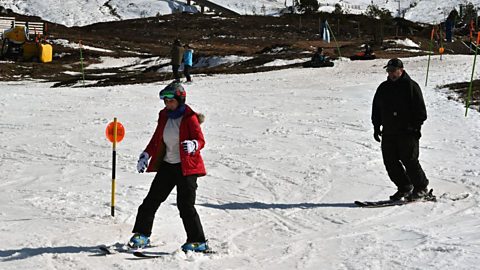
These are the Top 10 places in the UK that get snow, according to The Met Office. It's all down to how many days a year, on average, snow is lying on the ground at 9am.
1. Cairngorms, Scotland (75.2 days)
2. Braemar, Scotland (47.6)
3. Balmoral, Scotland (45)
4. Aviemore, Scotland (44.5)
5. Kindrogan, Scotland (43.3)
6. Grantown-on-Spey, Scotland (38.5)
7. Strathdearn, Scotland (37.4)
8. Hunt Hall Farm (36.2)
9. Glenlivet, Scotland (35.6)
10. Ballater Field Centre, Scotland (35.4)
Is it going to snow this week?
It's not, according to the Met Office - unless you're in the Scottish mountains where snowfall is a regular thing.
It’s always worth looking for verified accounts when you want information on a specific subject. The thought of snow in May can be intriguing - but make sure you’ve done your proper weather research first to avoid disappointment!
This article was updated in May 2026
Not sure if the news you’re seeing on social media is true or false? Can you always tell if the things you see online are real or fake?
Learn how to get the other side of the story with our quizzes, videos and explainers about media skills and viral trends including popular food myths.

Is gravity going to ‘switch off’ for seven seconds this summer?
Debunking the claims that everything could float upwards and cause chaos

Other Side of the Story
Back to our homepage for more quizzes and explainers about fake news, viral trends and media skills.