Spilling the tea on Brits’ love of tea
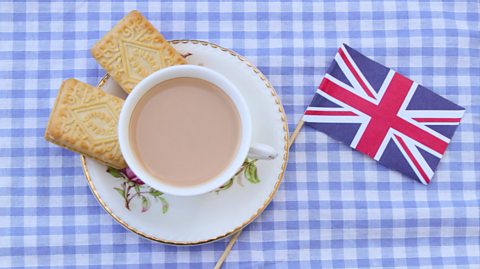
Here in the UK, we love a good brew in the morning, at night, or… pretty much any time of the day. Synonymous with British culture, every year, numerous statistics show just how many cups of tea Brits enjoy every year - and it's in the millions.
Whether you take your tea with milk, sugar, lemon or just plain, it’s clear that many of us are fond of a hot cuppa and its flavour. But how did a hearty cup of tea become so popular?
Here, BBC Bitesize takes a closer look at the history of this famous drink, its different varieties, and how it became popular in Britain.
What is the history of tea?
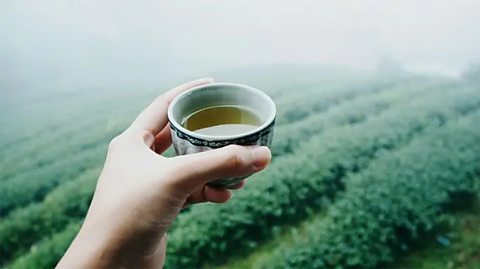
Brits have been drinking tea for over 350 years - but the drink has been around a lot longer, and its origins are far from the British Isles. Legend has it that in 2737 BC, Chinese Emperor and renowned herbalist Shen Nung was sitting under a tree while his servant was boiling drinking water.
Chinese mythology states that a leaf from a Camellia sinensis, or tea plant, fell into the water, and Shen Nung decided to taste the concoction. And so, tea was born. According to another variation of the legend, Shen Nung accidentally poisoned himself and was near death, but a leaf from a nearby tea plant fell into his mouth and revived him.
There are several stories, but because tea was discovered so long ago, it’s incredibly difficult to know if there is any truth to them at all. The oldest discovered tea is from the Han Dynasty, dating 206 BC to AD 220. But it’s thought that the tea trend really took off during the Tang Dynasty in the 8th century, when it became China’s national drink.
When did Brits start drinking tea?
The world began to learn of China’s tea in the early 1600s, when Dutch traders started bringing it to Europe in large quantities. It first arrived in Britain in the 1650s, when it was served as a novelty in London’s coffee houses.
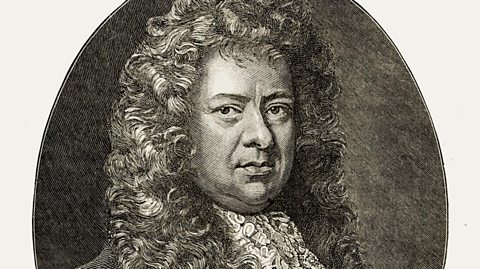
Back then, tea was a rare drink that very few consumed. The famous diarist Samuel Pepys wrote about his first tea experience in 1660 with the entry “and afterwards I did send for a cup of tee (a China drink) of which I had never drank before, and went away.”
However, it may have been the wife of King Charles II, two years later, whom we have to thank for popularising tea in the UK. In 1662, the newly restored monarch married Catherine of Braganza, the daughter of Portugal’s King John IV.
She became Queen of England, Scotland and Ireland, and, more to the point, she's regarded as starting the tea trend in Britain. Upon arriving in Portsmouth on 14 May 1662 ahead of her marriage to the king, Catherine asked for a cup of tea.
Tea had arrived by this point, but it was rare for anyone to drink it, so none was available - instead, she was offered a small ale. She was already a regular tea drinker, as the drink was already a popular beverage among the aristocracy of Portugal.
The king and queen got married on 21 May, and Portugal provided several ships of luxury items as it had been agreed. One of those items included a chest of tea, the favourite drink of the Portuguese Court.
Catherine popularised the drink among British nobility, and subsequently to the wealthier members of society. The spread of tea throughout the country had well and truly begun.
When did tea become more popular in Britain?
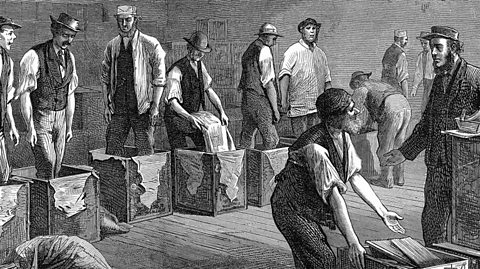
People thought the drink was tea-rrific and couldn’t get enough. In response to the new demand, the East India Company began to import tea to Britain, placing its first recorded order in 1664.
However, high taxes on black and green tea meant that social tea drinking could only be afforded by the wealthier classes. A cup of tea became an activity associated with luxury.
By the 18th Century, the popularity of tea had grown so much that people of all backgrounds wanted some. The only downside: it was still too expensive for ordinary customers. But the population wasn’t going to give up that easily.
Their love for this hot drink was so strong that smugglers began bringing it into the country illegally. It was in such demand that the amount smuggled in yearly was significantly more than what was imported legally.
Eventually, William Pitt the Younger slashed the tea tax from 119% to 12.5% when he became Prime Minister in 1783. That effectively eliminated the illegal smuggling trade overnight, as the new price meant that it was no longer profitable to smuggle tea. With a reduced rate of tax, consumption of tea skyrocketed and revenue grew to a higher level than before the tax was reduced.
Why are Brits obsessed with tea?

Drinking tea in Britain has become an everyday part of people’s lives, regardless of wealth or social background. Over time, milk was added - this might have been to soften the harsh and bitter flavours, or perhaps had to do with reducing the temperature to avoid bone China teacups, which were commonly used at the time, from cracking.
In 1908, the tea bag was invented - although it didn’t take off straight away. Different companies began pushing tea bags and they steadily grew in popularity.
Nowadays, having a brew with a teabag and adding milk is customary in almost every household in the UK. But why are Brits obsessed with tea?
Well, there are a few reasons we can think of. For one, through the generations it has become deeply embedded in, and synonymous with, English culture.
It has ties to both our royal and economic history, but it has also become ingrained in our customs. Offering someone a cuppa is something many of us do daily and a cup of tea is often at the centre of socialising in and out of our households.
What are the different types of teas?
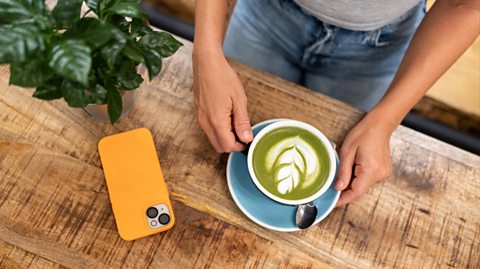
Today, there are too many different teas to name - but there are a few popular ones that we wanted to highlight. Several traditional teas and brands have been enjoyed for generations, whereas others are newer trends.
You'll likely have heard of the popular black teas such as English Breakfast and Earl Grey, or herbal teas like chamomile and peppermint. Many people also love an iced tea, which is usually brewed tea leaves served cold over ice and sometimes with a flavoured fruit syrup.
Growing in popularity more recently is bubble tea, also known as a boba or pearl milk tea, which is typically made with black tea, milk, some type of sweetener, ice and tapioca pearls which are the 'bubbles'. Other trendier tea drinks include matcha tea and ube milk tea.
This article was written in January 2020 and updated in May 2026
