All you need to know about the world's oldest buildings
Dating back thousands of years, it's almost impossible to believe that people around the world were constructing these incredible (and, let's face it, long-lasting!) structures without the help of modern tools, machinery and technology.
While some of the buildings are more akin to ruins now, some are actually still in use to this day, making the feat of their engineering even more impressive.
So let's waste no more time and find out all about the world's oldest buildings and what they were used for.
Göbekli Tepe, Turkey
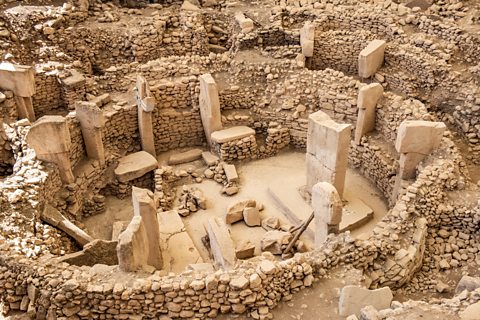
The official oldest building in the world is Göbekli Tepe, located in what is now southeastern Turkey. It is the oldest known megalithic structure on Earth, and is thought to have been built around 9000 BC. Featuring distinctive T-shaped pillars, some of which are up to 5.5m tall, the monument was likely a kind of temple, used for social events and rituals. Some of the pillars feature images of wild animals, the human form and pieces of clothing like belts and loincloths.
It is thought that the community of people who built Göbekli Tepe were the first examples of farming communities in the world, transitioning from a hunter-gatherer lifestyle.
Knap of Howar, Scotland
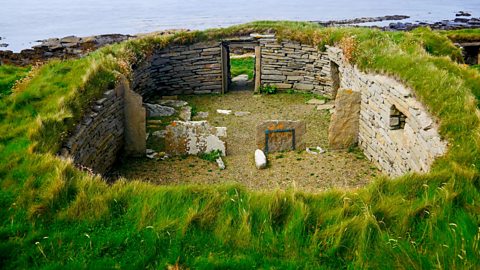
The Knap of Howar, located on the island of Papa Westray in Orkney, Scotland, is considered to be the oldest preserved stone house in Northern Europe, dating from around 3,800 to 2,800 BC.
The property, thought to have once been a farmstead, features two stone buildings with low doorways that face the coast. The larger structure is linked by a passageway to the second, smaller building, which may have been used as a workshop or second house.
The houses feature no windows and presumably were lit by fire with a hole in the roof to let smoke escape. The roof of each building is long gone, and were probably thatched, made of wood, or turfed with grass. The structures now lie close to the shore, due to coastal erosion, but would have once been situated much further inland.
Pantheon, Italy
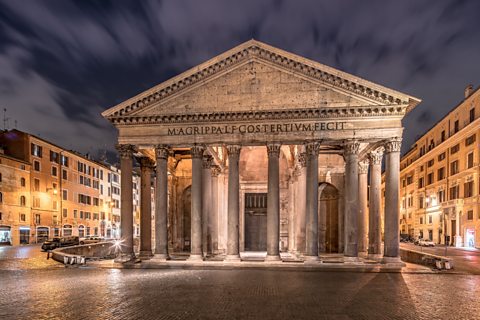
The Pantheon, located in Rome, Italy, might not be as old as some of the structures we've talked about so far, but it is one of the more ancient buildings that is still in continuous use today.
It's thought to be one of the best-preserved temples from the ancient world. While it is now a church, it was once a Roman temple, completed by Emperor Hadrian around AD 126.
That said, its exact age is unknown. The Pantheon as it is known today is said to be built on the site of an even earlier temple, commissioned by Marcus Vipsanius Agrippa sometime around BC 27. But unfortunately the original structure burnt down in AD 80 and had to be reconstructed. Incredibly, it burnt down a second time in AD 110 before Hadrian had it rebuilt to what we see today.
Stonehenge, England
OK, it might not technically be a building - mainly because historians don't even really know exactly what the site was used for - but we had to give Stonehenge an honourable mention.
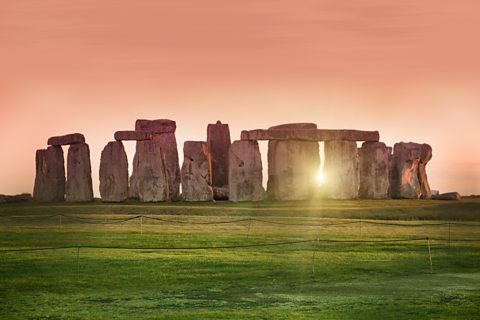
Located on Salisbury Plain in Wiltshire, it is a stone structure and the oldest surviving structure of its kind in England. The first monument was an early henge monument, built about 5,000 years ago, and the unique stone circle was erected in the late Neolithic period about 2500 BC. In the early Bronze Age many burial mounds were built nearby.
There are two types of stone used at Stonehenge, the larger ones are called sarsens and the smaller ones are called bluestones. The sarsens were placed in the shape of a horseshoe, surrounded by an outer circle and the bluestones were set up in a double arc, until about 200 or 300 years later when the central bluestones were rearranged into a circle and an oval (and later still into a horseshoe).
There are several theories about Stonehenge's purpose, one of the most accepted to this day is that the stones were a kind of prehistoric temple aligned with the movements of the Sun.
Today, thousands of people visit Stonehenge, particularly on the summer solstice when the sun rises behind the Heel Stone, and in the winter when it rises to the south east of the monument for its rays align with the heart of the structure.