Working in Sports Broadcasting
Where would we be without our trusty pundits in the studio to take us through the highs and lows of the game?
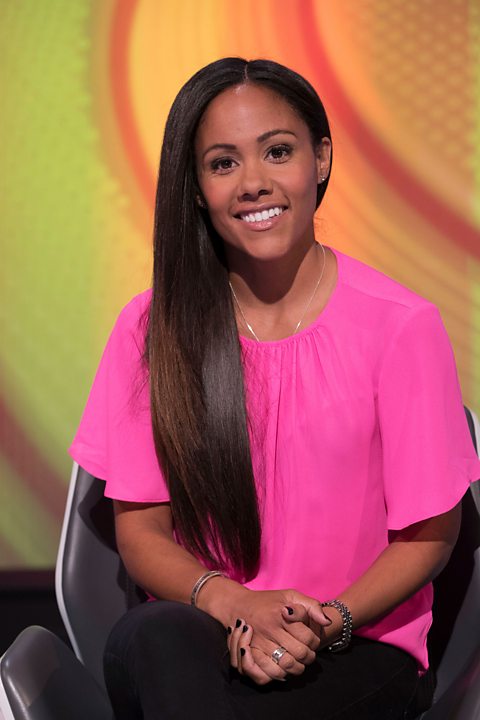
If you've got the gift of the gab and know the ins and outs of the offside rule, a career in sports broadcasting might be right up your street. In an exclusive interview for BBC Bitesize, we caught up with Alex Scott, and her fellow pundits and broadcast colleagues, at the 2019 Women's World Cup in France to get their top tips for breaking into the industry.
Alex Scott, Jo Currie, Gemma Fay and Sue Smith give their top tips on getting into sport broadcasting.
Jo Currie: A lot of people want to get into this job, because it’s an awful lot of fun.
Alex Scott: Be your authentic self. Don’t try and change because you think a certain person sitting on TV does it that way. It’s all about your own individual personality and that’s who you are, and who you represent, so stay true to that.
*Jo Currie: It’s fab. It’s an awful lot of fun. I would just say, work hard, work out your best route into how to get into sports journalism and don’t give up, because it’s not always easy, but when you get here, when you get to come and do things like this, it is so worth the hard work.
Gemma Fay: It’s really down to your kind of knowledge and your prep work that you do around the teams that are involved, around the players, knowledge of the tactics and the systems.
Alex Scott: Competitiveness, I would say. Making sure that when I’m in an environment, I know I have to be the best that I can be. Not that I’m trying to compete against anyone that I’m with, but I would never turn up to a World Cup not prepared or not knowing about my opponents. I wouldn’t turn up to a World Cup not being at my peak in fitness. So it’s the same! I sit in a studio and I made sure that I know everyone that’s playing, who I am analysing and even their back story. So just make sure that you’re well prepared.
Gemma Fay: Discipline. How to… a skill which I think that’s really important is how to have a conversation, listen, analyse information, give feedback, be able to take that feedback and then apply that in real life situations.
Sue Smith: I think being diligent, you know with your preparation, so making sure you’ve done everything you possibly can to do the best possible job you can.
I think, the first thing is, you know, is have fun. You know, I think that’s so important, to do things with a smile on your face. Do things that you enjoy and I think that the thing for me is always take yourself out of your comfort zone.
Gemma Fay: Enjoy it and surround yourself by people who will be honest with you and help you on that journey.
Alex Scott: I think that advice I would give, would be to find a balance a lot earlier on, to remember that when you do win and when you do pick up trophies, remember to live in that moment and enjoy it more.
Jo Currie: I guess the main thing would be is, don’t give up, because along the way, it hasn’t always been easy to get into this industry. As I say, there is so many people that want to come and do it. And why wouldn’t you? But, um. Yeah, keep, keep focused. It’s all about getting people to like you along the way. The number of cups of tea I’ve made to get to this point, well worth it in the end, but it’s a great industry, so if you want to get into it, go for it.
Top tips for working in sports broadcasting
Be yourself. It's you and your personality that will really come through when you commentate
Let your passion for the sport show through
Be prepared and know your stuff
Network and build good relationships with people in the field
Consider volunteering in similar areas like school media, student radio, or creating your own digital content to build your experience, and create up a portfolio
Stay focused on your goal
Take yourself outside your comfort zone
Learn the skill of conversation – be able to listen, analyse information, take on feedback and apply it going forward
Don't give up! There will be ups and downs but you're doing something you love, so stick with it!

Pundits work alongside sports commentators. A commentator's main role is to describe what's happening at sporting events, with pundits often adding extra opinion and analysis for listeners and viewers.
What to expect if you want to be a sports commentator
- Sports commentator average salary: Variable.
- Sports commentator typical working hours: 39 to 42 hours per week
What qualifications do you need to be a sports commentator?
You could get into this role via a a university course, an apprenticeship, working towards this role, volunteering or applying directly.
Sources: National Careers Service
This information is a guide and is constantly changing. Please check the National Careers Service website for the latest information and all the qualifications needed.
For careers advice in all parts of the UK visit: National Careers Service (England), nidirect (Northern Ireland), My World of Work (Scotland) and Careers Wales (Wales).
This article was published in 2019 and updated in June 2026.
Explore more from Bitesize Careers Follow Your Passion

Bitesize Careers, in partnership with The Open University, has launched the Follow Your Passion campaign, exploring how you can draw on your passions and interests to find your future jobs.
- Kick off: September 2026
- Focus: All things football!
- Discover more: To find more careers in football, click the link to the Bitesize Careers Follow Your Passion page.
Discover more from Bitesize Careers
Professional football: top tips from England's Women's World Cup team. video
Top tips from the Lionesses.
Bryan: football coach. video
Bryan is the head of a football academy.

Annaleigh: education coordinator video
Annaleigh's an education coordinator at Middlesborough Football Club Foundation.