
|
 |
 | | | | | | ||||||||||||||||||||||||||||||||||||||||||||||||||||||||||||||||||||||||||||||||||||||||||||||||||||||||||||||||||||||||||||||||||||||||||||||||||||||||||||||||||||||||||||||||||||||||||||||||||||||||||||||||
| | | You are in: Asia-Pacific | ||||||||||||||||||||||||||||||||||||||||||||||||||||||||||||||||||||||||||||||||||||||||||||||||||||||||||||||||||||||||||||||||||||||||||||||||||||||||||||||||||||||||||||||||||||||||||||||||||||||||||||||||||
|
| | Friday, 3 January, 2003, 16:03 GMT Cyclone islands made disaster area  Only one village on Anuta appears to be intact The Solomon Islands Government has declared the South Pacific islands struck by a cyclone on Sunday a 'disaster area'.
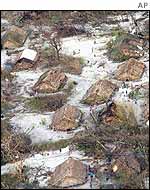
New photographs indicate that two entire villages - Ravenga and Namo, on the island of Tikopia - may have been washed away by a tidal wave. A ship carrying relief supplies is expected to arrive in Tikopia and the other storm-hit island, Anuta, on Saturday. About 700 people lived in the two villages, but there is no clear indication how many islanders may have been killed or injured. Casualties uncertain One of the medical staff on board the rescue mission said he expected the number of casualties to be high.
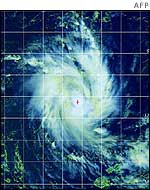
But the Australian state-run relief organisation AusAid says surveillance pictures suggest the situation is better than previously thought. "There is no evidence - albeit from 500 feet - of injuries or casualties," AusAid assistant director-general Alan March told reporters on Thursday. Leading Solomon opposition politician Alfred Sasako described the AusAid remarks as "insensitive and deeply insulting". "How can you be so sure when you are flying at an altitude of between 500 feet (150 metres) and 1,000 feet?" he said referring to the height of the Australian surveillance aircraft. New Zealand and Australia have been forced to defend themselves against criticism that they have responded slowly to the disaster. A rescue ship carrying food, clothing, shelter and medical supplies is not expected to complete its 1,100-kilometre (650-mile) journey to the islands until Sunday. The ship will give rescuers their first close look at the damage caused by one of the most powerful Pacific storms on record. It blasted the islands with winds estimated to have reached 350 kilometres per hour (220 mph). The New Zealand Government has joined Australia in pledging further emergency assistance. A second relief boat is scheduled to sail on Friday. The BBC's Phil Mercer in Sydney says the Government of the Solomon Islands would struggle to finance a large-scale rescue operation. The country is almost bankrupt and dependent on foreign aid. The relief mission was first held up by a lack of money to buy fuel and pay a boat crew. Once Australia donated around $30,000, the Solomon Islands Government decided to wait for a larger vessel capable of carrying more supplies. Visit claim A New Zealand photographer, Geoff Mackley, who raised the first fears of disaster when he flew over Tikopia on 1 January, says he has since visited the island, and found "every single person alive". He had said earlier it would be a "miracle" if a huge number of deaths had been avoided. Mr Mackley said he flew in a helicopter - chartered by The Australian newspaper - to the island, where locals greeted him with tales of their survival. "The whole way there I thought I would see hundreds of dead and festering bodies but instead we were just overwhelmed with people running toward the plane," he told the newspaper. However it is not clear how the helicopter reached the island, which lies far from any airfields, French news agency AFP reported. On Wednesday, an Australian Air Force plane flew over Tikopia. Crew members said most metal structures appeared to still be standing, though houses built of trees and leaves had been destroyed. Neither Tikopia nor Anuta has a landing strip. There has been no radio contact since last Saturday's cyclone. 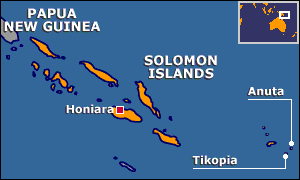 | |
See also:  02 Jan 03 | Asia-Pacific 02 Jan 03 | Asia-Pacific 01 Jan 03 | Asia-Pacific 18 Sep 00 | Science/Nature 21 Dec 02 | Country profiles 13 Nov 02 | South Asia 07 Aug 01 | Media reports 25 May 01 | South Asia Internet links: The BBC is not responsible for the content of external internet sites Top Asia-Pacific stories now: Links to more Asia-Pacific stories are at the foot of the page. | ||||||||||||||||||||||||||||||||||||||||||||||||||||||||||||||||||||||||||||||||||||||||||||||||||||||||||||||||||||||||||||||||||||||||||||||||||||||||||||||||||||||||||||||||||||||||||||||||||||||||||||||||
 | |
|  E-mail this story to a friend E-mail this story to a friend |
| |
| Links to more Asia-Pacific stories |
| | | ||
 | ||||
 | | Back to top
| ||
| ---------------------------------------------------------------------------------- To BBC Sport>> | To BBC Weather>> | To BBC World Service>> ---------------------------------------------------------------------------------- © MMIII | News Sources | Privacy |







 TALKING POINT
 Cyclone Zoe