
 | ||
 | ||
 | ||
 | | | | | ||||||||||||||||||||||||||||||||||||||||||||||||||||||||||||||||||||||||||||||||||||
| | 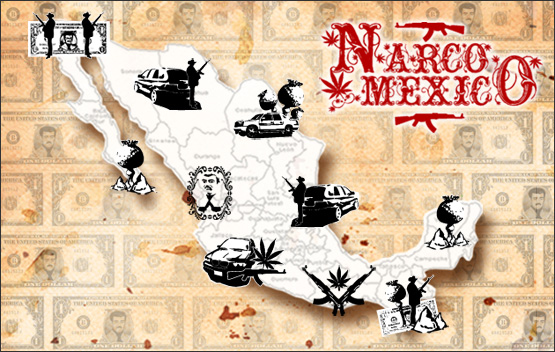 Mexico in the narcotics era Between January and August 2008, 2,996 people were killed in drugs-related crimes. Press reports indicate that there is one killing every 85 minutes. In a survey carried out by the BBC in Mexico, 83% of respondents say they are concerned about drug consumption and another 37% has thought about leaving the country because of drugs-related violence. Two out of five residents in cities and towns have contemplated leaving Mexico because of the violence of the drug cartels, the surevy suggests. For the majority, drug trafficking is the second biggest problem Mexicans face after corruption and many believe that the drugs culture is being glorified throughout the country. These are some of the main conclusions drawn from a BBC Mundo commissioned survey carried out by Synovate into drug trafficking in Mexico. Forty-two-percent of the 1,266 people who responded state they feel much less secure than a year ago. The survey was carried out from 28 July to 20 August in Mexico City, Monterrey, Hermosillo, Mérida, Querétaro and Culiacán on adults between the ages of 18 and 64 years. The study is part of an investigation by BBC Mundo into the impact of drug trafficking on the values and habits of certain sectors of Mexican society. When consulted about these results, Under Secretary for Public Health Facundo Rosas indicated that sensitisation campaigns were being carried out on the most vulnerable sectors of society. Support for the government In spite of these perceptions, the Mexicans who were surveyed welcomed the government´s campaign against drug trafficking. In fact 68% expressed their approval of this measure and 53% feel that Felipe Calderón´s performance has improved in the past year. And 58% are optimistic that the war against drugs can be won. However, 80% of those surveyed expressed the need for other alternatives to win this fight. What is behind these differing viewpoints? Perhaps the perception that a military solution is not the only one. Sixty-two percent of the interviewees believe that the growth of the cartels has its origins in social problems like unemployment and the current state of the economy. Another surprising fact is that 22% of Mexicans who participated in the survey claim to know someone directly who has been or is involved in the business of drug trafficking. Violence and culture The study also revealed that, after corruption, drug-related violence is the main worry for those surveyed. Official figures reveal that this violence has increased. In 2007 there were 2,700 executions or assassinations. By August of 2008 this figure had increased to more than 3,000. For example, Culiacán, in the state of Sinaloa, has often been witness to confrontation and death, mainly attributed to wars between the rival cartels of Sinaloa and the Gulf of Mexico. The fact is reflected in the survey results. Those interviewed in Culiacán said they felt much more affected by drug-related violence than the rest. The study reveals that a significant number of Mexicans in various parts of the country have personally experienced this violence: 9% of those surveyed said they had been affected directly by drug-related violence while 32% were affected indirectly. However, it is not only the violence, it is the impact that the cartels are having on the daily lives of Mexicans. 80% of those surveyed feel that the drug-trafficking gang culture is escalating and 81% say that drug-trafficking is penetrating different aspects of the country´s culture. Study data: 1,266 Mexicans between the ages of 18 and 64 took part in the telephone survey out between 28 July and 20 August. The survey was carried out by Synovate in Mexico City, Guadalajara, Monterrey, Hermosillo, Mérida, Queretaro and Culiacán. It was commissioned by bbcmundo.com. | | |||||||||||||||||||||||||||||||||||||||||||||||||||||||||||||||||||||||||||||||||||||
| |||
| | | |
| |||
 | ^^ | | |


