1. Allow lawns to grow
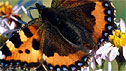
Allow areas of your lawn to grow a little long by raising the cutting height of your lawn mower to around 15cm from spring to late summer. This will encourage a broad collection of meadow flowers (such as bugle, daisy, self heal, and salad burnet) to colonise. These plants are not only attractive jewels in a long lawn but provide a diverse nectar supply to a vast array of insects, which themselves become pollinators, predators or prey.
2. Plant hedges
A robust hedge offers a wealth of opportunities for wildlife, far more than fences and walls. From food sources for butterflies and insects, to roosting and nesting sites for birds, lots can be contained within a good hedge. It provides shelter for hibernating hedgehogs and bees, plus offers a larder for birds if a collection of plant species are employed. Opt for flowering and fruiting forms if possible, selecting from holly, elderberry, hazel, field maple and hawthorn. Add a few climbers such as clematis and honeysuckle and the wildlife will come flooding in.
3. Provide service stations
No matter how well planned and maintained a garden you have its resources can always be supplemented with the addition of feeding stations for your wildlife. This can take the form of hedgehog feeding bowls filled with cat food in late summer to supplement local mollusc delicacies. Alternatively try bird feeders of varying shapes and types to cater for different species, or butterfly feeding sponges soaked in sugar water or primed with a slice of banana. The most important aspects of feeding are to be consistent with the supply throughout the year and also to try a variety of styles and food sources to offer opportunities for a wide selection of creatures.
4. Become neighbourly
The most successful wildlife habitats are those that provide vital links to a broader range of resources, this means chatting with neighbours about the range of habitats their gardens offer and linking into the wider environment. So for instance if you have mature woodland close by you can provide occasional trees in the gardens, which will landscape leading from the woods to entice creatures from the woods into the garden. Try to link areas of woodland, thinking of your garden as a staging post for travelling wildlife. This principle of creating a network of habitats linked together can be applied to everything from water to woodland.
5. Get wet
Ponds and water features are a major draw for wildlife and arguably the most important resource a garden can provide. All creatures will at some point require the water for some aspect of their existence and even the smallest of water features can offer a wealth of services. Ensure that ingress and egress (entering and exiting) is easy by creating sloping sides and beaches, and if possible provide water up to 60cm deep for aquatic species. If an open pool isn't possible don't worry as trickling water in the form of splash pools and fountains can draw wildlife in. For many creatures a bog garden is perfect, so if water is out of the question dig a hole, line it with punctured polythene and backfill with soil - this provides a damp soil for plants and an extra habitat for wildlife.
6. Don't be too tidy
Contrary to popular belief a wildlife garden isn't an unruly wasteland but neither is it a pristine and highly manicured place. In essence wildlife doesn't mind formal or informal styles but most prefers a relaxed approach to gardening. For instance allow fallen leaves in autumn to linger in beds, and borders to provide valuable organic matter; don't trim hedges too frequently - usually once a season is sufficient in late winter before bird nesting begins; don't be in too much of a hurry to trim herbaceous plants down in autumn as their stems and seeds are useful for habitat and food. If you do create clearings and debris then allow it to linger in a part of the garden that is a little more natural and where stems and boughs can be piled to allow slow decomposition as this provides a valuable habitat for insects, fungi and mammals.
7. Tread lightly
All gardens will at some point provide a home to less than welcome guests be they fungi on roses, slugs in the lettuce patch or aphids on the delphiniums, the key is to look beyond the obvious problems the pest or disease is creating and to assess if they can provide feeding opportunities for other organisms. So for instance, aphids can be controlled by introducing fat balls to attract blue tits as these birds will harvest pest insects from branches on which fat balls are hung. If you find that an organism is becoming a real pest then look for a gentle way of controlling it rather than reaching for a chemical - remember that if you remove the slug with toxic pellets then another population will return at a later date, but if you install a pond close by in which frogs and toads reside than they will control the slugs for you. Wildlife gardening is all about a balance between those creatures you desire and those that you tolerate, and after a while a natural balance develops where all populations are naturally regulated.
8. Flowers, flowers and yet more flowers
As the vast majority of blooms in the UK are pollinated by insects, and given the fact that these often unseen creatures are the foundation of any wildlife garden, it is worth considering what floral rewards your garden provides throughout the year. Try to ensure that there is something in bloom every day of the year and while this may sound like a challenge one good tip is to visit the local nursery every week to buy one flowering plant (or its packet of seeds) on each visit - this will ensure that your garden delights not only the eye but also the wildlife. If possible opt for flowers with single rows of petals in their blooms rather than double and complex flowers as the former contain much more nectar.
9. Plant for the night
It is perhaps surprising that much of the wildlife attracted to and residing in your garden will only become apparent during the time from dusk 'til dawn. This means that planting night scented plants such as stocks, honeysuckle and evening primrose will be attractors for insects, bats and moths. Hedgehogs, mice, owls and frogs will all venture out after dusk to live out their nocturnal existence. Of course night time wildlife may be difficult to spot so either opt to spend regular summer evenings in the garden wrapped up warm and sitting quietly, or alternatively invest in night cameras positioned in key locations so that you can watch the frenzy of activity by those celebrating your garden by night.
10. Be realistic
It is surprising just what creatures can be tempted in to the garden given a variety of habitats, shelter and resources but it is also important to be realistic in your expectations. Given where your garden is review what wildlife is likely to be present, and what services your site offers, then plan accordingly. Much as we would all like to see osprey and egrets in our backyard it is more likely that more modest creatures will form the mainstay of our encounters, however even the apparently common creatures are charged with personality and beauty so enjoy those that appear frequently and revel in the occasional exotic appearance.