The world’s first perfume archive and Dutch car-free Sundays in the global oil crisis
The origins of World Press Freedom Day, Peter Singer’s Drowning Child thought experiment and inside the Cuban thaw.
Max Pearson presents a collection of the week's Witness History interviews from the BBC World Service. This week, we hear from a perfumer who in 1990 helped create the world’s first perfume archive in Versailles France. Our guest is Dr William Tullett, a Senior Lecturer in History at the University of York and author of Sniff, History of Smells.
Then, we hear how in 1991 African journalists created the Windhoek declaration - a set of free press principles. It led to World Press Freedom Day marked annually on 3 May.
Next, the global oil crisis of 1973. A former Dutch politician tells us how the Netherlands became the first country in Europe to introduce car-free Sundays.
Plus, the philosopher on how his 1972 essay on the Drowning Child thought experiment inspired the Effective Altruism movement.
And President Obama’s speech writer on how secret negotiations in 2014 improved relations between the US and Cuba.
Finally, a Sporting Witness on the Juventus match-fixing scandal in 2006.
Contributors:
Jean Claude Ellena - perfumer
Dr Will Tullett - Senior Lecturer in History at the University of York and author of Sniff, History of Smells
Wim Meijer - State Secretary for Culture, Recreation and Social Work in the Den Uyl Labour Government
Peter Singer - philosopher
Ben Rhodes - Barack Obama’s speech writer
Paddy Agnew - journalist
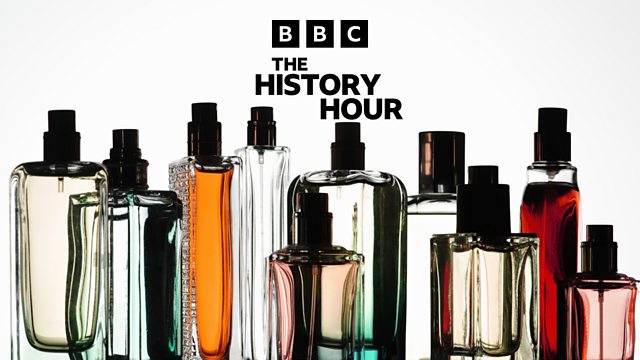
(Photo: Perfume bottles. Credit: Walter Zerla via Getty Images)
Last on
Broadcasts
- Sat 2 May 202613:06GMTBBC World Service News Internet
- Mon 4 May 202609:06GMTBBC World Service
- Mon 4 May 202623:06GMTBBC World Service
Podcast
![]()
The History Hour
A compilation of the latest Witness History programmes