
Big Butterfly Count: Results of survey show the lowest ever number of butterflies recorded
- Published

The results of this year's Big Butterfly Count have been announced by the wildlife charity Butterfly Conservation, and it reveals the lowest number of butterflies ever recorded since the survey began 12 years ago.
On average each volunteers spotted nine butterflies, compared with 11 butterflies last year, and 16 butterflies in 2019.
It's thought that this year's unusual weather has had a big impact on butterflies. May 2021 was very wet and rainy and butterflies don't like the rain at all as they're coldblooded insects.
Butterflies are not only beautiful creatures, but they also do a great deal for the environment as they pollinate plants and flowers. A high number of them in an area often means that there is a healthy environment around.

What is the Big Butterfly Count?
The Big Butterfly Count is the world's largest butterfly survey and it's been taking place every year since 2010.
Every Summer, the charity asked people right across the UK to spend 15 minutes outside on a sunny day counting the number of butterflies they see and all the different types they come across.
It helps conservationists determine how many butterflies are flying about in the UK.
This year more than 150,000 people took part - the highest number in the survey's history.
Overall, there were 1,238,405 butterflies and moths counted!

Did you know there are 59 different types of butterflies in the UK?
What did this year's survey find?
Some species including the Small Tortoiseshell and Peacock butterflies dropped in numbers this summer.
However it wasn't all bad news and other butterfly species, including the Marbled White and Ringlet, showed a rise in numbers compared to last year.
Butterflies taste with their feet! If they sit on a leaf or flower they can taste it.
Dr Zoe Randle, from the Butterfly Conservation said: "This year's results show that the average number of butterflies and moths per count is the lowest we've recorded so far."
"More counts are undertaken and submitted year on year, but it seems that there are fewer butterflies and moths around to be counted."
"Weather changes are likely to be the cause of this," she added.
Have you seen fewer butterflies this year? Let us know in the comments below.
- Published3 July 2021
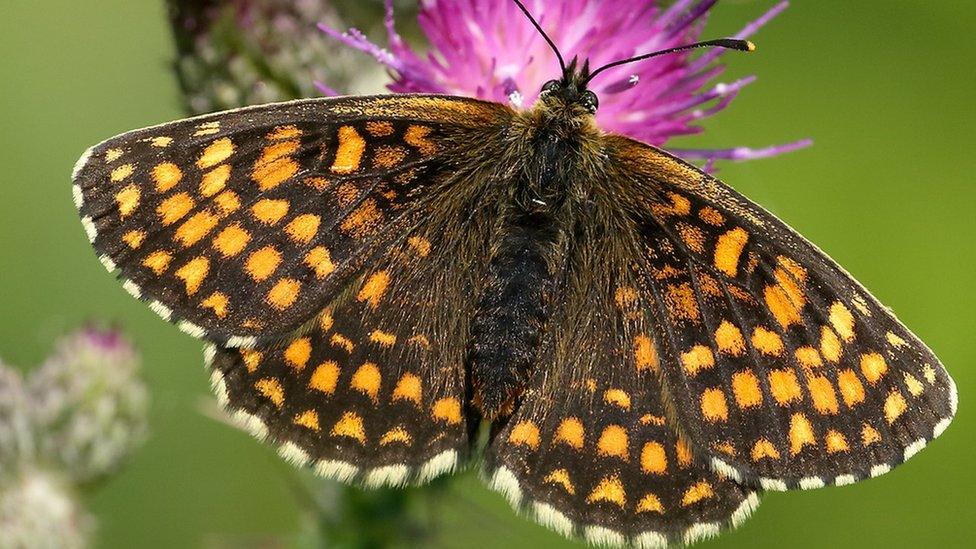
- Published13 August 2020
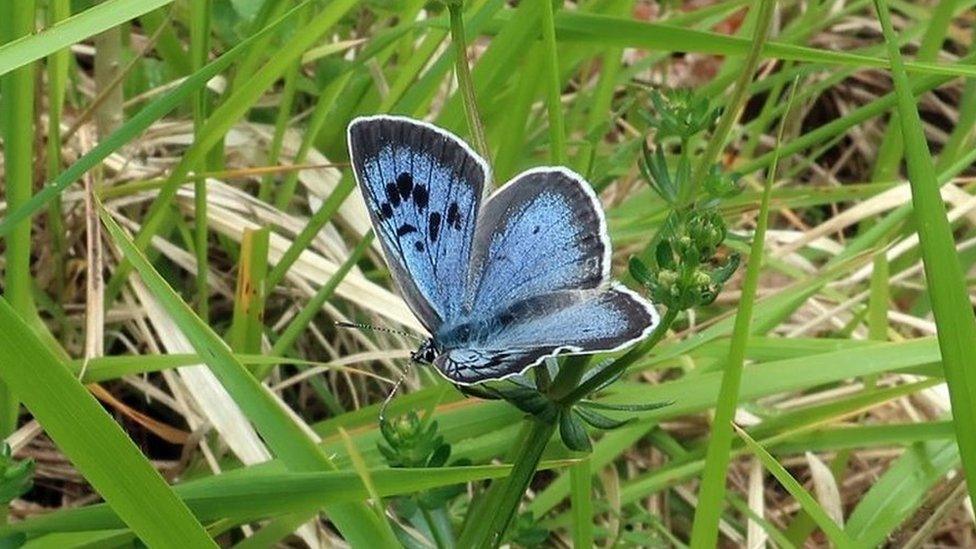
- Published19 July 2019


