Friday 11th July 2003
'Little economic benefit' from GM crops | |
| 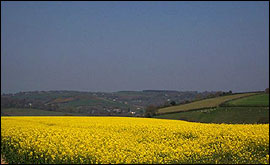 | | GM crop trials have proved highly controversial |
| | The commercial growing of genetically modified crops would bring little short-term benefit to the British economy, a government report has said. |
|  | | The first of three major reports into biotech plants says only a narrow range of existing GM crops is suited to British conditions.
The report from the Cabinet Office Strategy Unit says the lack of demand for the GM foods from shoppers is likely to limit the extent to which farmers grow the controversial new varieties.
But in a signal that Britain should not turn its back on GM technology, it argues future GM crops could offer wide ranging benefits to both farmers and consumers in the longer term.
Those potential plus points include GM crops more suited to the British farming climate and direct health benefits, such as foods with added nutrients.
"However, the overall balance of future costs and benefits will depend on public attitudes, and on the ability of the regulatory system to manage uncertainties," it adds.
The government is set to make a decision later this year on whether or not GM crops should be commercially grown.
It is seeking public opinion on the issue and has launched a website allowing people to have their say in the GM debate, which ends on 18 July.
Meanwhile, the results of three-year farm-scale GM crop trials are due in the autumn.
Trade-offs
The study for Friday's report looked at the impacts of GM food and farming on farmers, processors, retailers and consumers, including organic farmers.
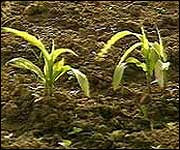 | | Organic farmers fear their crops could be at risk of contamination |
It also considered the environmental impacts of GM crops, and looked at the biotechnology industry.
The report suggests the signal sent out by the government's decision on GM could affect the UK's ability to attract investment from science-based industries.
Environment group Friends of the Earth (FoE) has warned that allowing the large-scale growth of GM crops, like oil seed rape, would almost certainly lead to widespread contamination of organic plants.
The report says the rules imposed on growing GM crops will determine whether the cost of producing and segregating them from organic plants would outweigh any financial gain.
"Future decisions on GM crops will involve trade-offs between costs in one area and benefits in another," it says.
Different options
Another example of that trade-off is the fact that strict regulations can reduce risks but also discourage development and farming of GM crops, it argues.
Environment Minister Elliott Morley said the report was right to underline that both shoppers and retailers would play an important part in shaping the future of GM crops in the UK.
"The report highlights that GM crops are one area in which GM technology has significant potential to contribute to the UK's future economic prosperity and sustainability," he said.
"But it also points out that GM crops are just one possible tool for achieving our goals - important advances in crop production will also come from conventional and organic techniques."
Tony Combes, of the Agriculture and Biotechnology Council, told the BBC it had been "proved throughout the world" that GM crops gave higher yields for lower costs.
But Canada's National Farmers Union president Stewart Wells said that in his experience, GM crops had failed to live up to their promises of increased yields and reduced costs.
Soil Association policy manager Gundula Azeez said: "The government has been wrong to support the introduction of GM crops on the basis that they will bring economic benefits.
"GM food has already been rejected by all the major supermarkets, most large food manufacturers and the public."
Liberal Democrat agriculture spokesman Andrew George warned that GM crops would give the biotechnology companies who produce them a "stranglehold" over British farmers.
"There is little economic demand for GM products in the UK and their introduction could further damage the improving relationship between British farmers and consumers," he added.
FoE believes cross-breeding could create superweeds, tolerant to many herbicides.
GM campaigner Pete Riley said: "Consumers do not want GM food, and there is a huge market for GM-free ingredients.
"The government must not jeopardise the UK's ability to meet this opportunity by allowing GM crops to be commercially grown."
 | previous farming news |  |
| | | |
|
|