Specialist factual commissioning: Science
Our latest commissioning brief and contacts for science
Our team
Science is more than a specialist subject, it’s central to our lives. It drives debates that shape national conversations, helps audiences navigate misinformation and mistrust, and deepens our understanding of the issues that matter most. At its best, science storytelling also sparks curiosity and wonder, revealing new perspectives on the world and our place within it.
From transformative technologies and medical breakthroughs to discoveries in the furthest reaches of space, deep in our distant past or our everyday lives, the strongest science stories help us make sense of our rapidly changing world. They tell us something new about who we are, how we live and what the future might hold.
We're looking for ambitious, distinctive science programmes that set the standard for science storytelling, not just in the UK, but worldwide. Whether through extraordinary access, major new discoveries, fresh perspectives on familiar subjects or innovative storytelling, we want ideas that can inform, surprise and entertain in equal measure. Another priority for us is stories which represent our audiences in Wales, Scotland and Northern Ireland, made by suppliers who are based in those nations. We have commissioning editors based in the nations embedded in our team to specifically work with producers on these titles.
We're particularly interested in projects with the scale and ambition to attract significant international co-production funding. We’re also open to working with external funding partners and would love to hear ideas for new partners we could work with.
We’re thinking about five main areas for new ideas:
1. Mainstream formats

In a world of increasingly fierce competition for viewers, we’re looking for noisy new formats that feel broad and populist enough to sit on BBC One and draw a young audience to iPlayer. Clickbait Clinic with Stacey Dooley looks at some of the biggest and most shocking health trends on social media and uncovers how medical misinformation spreads online. It returns us to the popular health stories we used to cover in brands like The Truth About… and Trust Me, I’m a Doctor. Now we’re looking for other subjects with similar mass appeal that can be reimagined in new formats to compete with the most attention-grabbing content online.
We want to create shows with the broad and enduring appeal of Inside the Factory, or look at series that have grown audiences on BBC Two such as Surgeons: At the Edge of Life and The Secret Genius of Modern Life and think about how we can build on these successes to create new formats with even greater reach and the potential to drive viewing on iPlayer.
From the very first pitch, we need to think about how an idea can cut through on iPlayer – what’s the title and thumbnail that will make it stand out? With a format that can unlock stories that will get viewers talking and generate debate on social media.
2. Awe and wonder

In an increasingly competitive landscape, viewers are drawn to premium storytelling that offers both scale and substance. Our ambition is to make the world’s best bluechip science TV. Combining cinematic storytelling with the latest discoveries, we’re looking for series that don’t just explain the science, they immerse viewers in it, turning complex ideas into unforgettable television that inspires joy and wonder.
In Evolution, Chris Packham took us on a series of 500-million-year journeys through the stories of five charismatic animals to understand how they came to be and the extraordinary twists and turns along the way. Many viewers told us it was unlike anything else they’ve seen this year.
In Human, paleoanthropologist Ella Al-Shamahi used the latest discoveries from archaeology and ancient DNA research to tell the 300,000-year story of Homo sapiens, exploring why our species survived while others disappeared. While in Solar System, Brian Cox took audiences on a breathtaking journey across our cosmic neighbourhood. Drawing on the latest data from a new generation of space missions, it brought complex physics to a mainstream audience, attracting 4.2 million viewers for episode one across the first 28 days.
These are the crown jewels of our science slate: ambitious, visually spectacular series that tackle big questions and bring major scientific stories to the broadest possible audience. We're looking for ideas with true landmark potential. Given the scale of these productions, proposals should consider international co-production opportunities and funding partners from an early stage.
3. Reputation drivers

Not every commission has to be a ratings winner, we’re also looking for science documentaries that can have a significant reputational impact. These will most likely be singles or short series and are an opportunity to showcase the best in UK filmmaking talent alongside important public service storytelling.
These could be programmes that shape national conversations like Emma Barnett: Fighting Endometriosis, which led to the NHS announcing its first dedicated endometriosis pathway, or Buried with Michael Sheen that triggered a groundswell of engagement from communities living in affected areas across Wales and led to Michael and the documentary makers appearing in Parliament.
We’re also looking for programmes that can deepen our understanding of the biggest stories in science. In AI Confidential with Hannah Fry, Hannah grappled with some of the knottiest issues in tech today including the role of chatbots in grief tech and AI-induced psychosis, cutting through the misinformation to get to the human stories at the heart of the AI revolution.
These documentaries don’t have to be presenter-led. We’re interested in observational films built around world class access, for example, to medical trials, space missions, or ground-breaking digs. We’re also interested in surprising and powerful stories told with flair such as Confessions of a Brain Surgeon. And we’d love to find an environmental thriller as gripping as On Thin Ice: Putin v Greenpeace.
4. Multiplatform drivers
As audience habits shift at pace, we’re evolving the science slate to meet them where they are – with a particular focus on 16 to 24 year-olds. So, we’re looking to grow our presence on YouTube, and developing ideas that can live on multiple platforms across digital, iPlayer, linear TV and BBC Sounds.
Clickbait Clinic Q&A is a spin off from the TV series but designed so that viewers can watch it as a standalone piece on YouTube and iPlayer. We’re also interested in visualised podcasts, like recent natural history commission Naturewatch, a weekly video podcast being made for BBC Two, iPlayer and Sounds.
Budgets on YouTube are lower than on TV, but they offer a great opportunity to experiment and be playful with both form and presenters. There’s a wealth of brilliant science content on YouTube, but in a world of unlimited choice and often overwhelming misinformation, there’s a distinct opportunity to produce content that combines true digital creativity with trusted BBC science journalism.
5. The next generation of science specialists

Across TV and radio the roster of specialist science communicators on the BBC is second to none – we’re lucky to work with the very best in the business.
But we want to find the next generation, and, as we develop ideas across multiple platforms, there are opportunities to find the brilliant science specialists of the future. It might be as part of a presenting team, such as the doctors in Clickbait Clinic, or in a new digital format, or authoring a powerful single that they have an authentic connection to.
They’ll need genuine expertise, coupled with an idea that’s distinct enough to stand out from the competition and introduce them to a broad audience.
Unscripted on iPlayer
Read about how we commission unscripted content in an iPlayer first-world, along with advice and further resources to maximise the impact of your programme on the platform.

Commissioning for iPlayer: find out more
Strategy and advice for maximising impact on the platform

Science commissioners

Jack Bootle
Head of Commissioning, Specialist Factual
Tom Coveney
Head of Science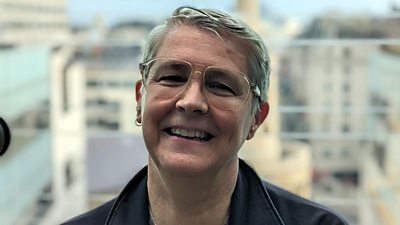
Emma Hindley
Commissioning Editor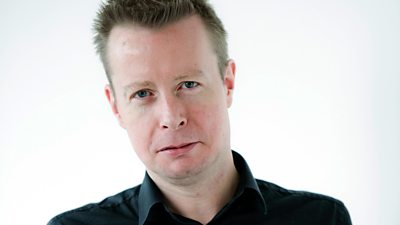
David Harron
Commissioning Editor, Scotland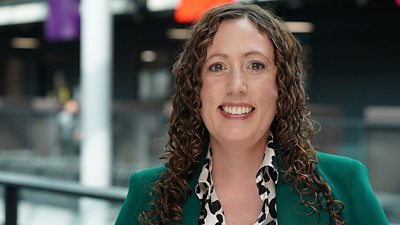
Sian Harris
Commissioning Editor, Wales


How to send us your ideas
Go to PiCoS
Our ideas submission system for established companiesAccessing PiCoS
Eligibility criteria, how to guides and contactsHow we commission
Our processes, commitments and prioritiesNot an indie?
Grow your skills and career in television
Further advice and support
Named business leads
Business advice per genre for companies with ideas in playIndies outside London
Advice and commissioning leads for each nation and regionSmall or new indies
Our tailored support packages and adviceDiverse-led indies
Our investment, commitments and contacts
Explore the site
Briefs and contacts
Commissioners and ideasSupporting indies
How we commission and workSkills and training
Industry training and skills development
Search by Tag:
- Tagged with FactualFactual
