Germany
Weimar Germany overview - Cambridge OCR B
The Nazi dictatorship was a totalitarian regime that aimed to control all aspects of its citizen’s lives, whilst persecuting its enemies, before war brought ultimate disaster for the German people.

Hitler into power, 1929-1934 - Cambridge OCR B
Hitler was appointed Chancellor in January 1933. His rise to power was the result of many factors: the impact of the Depression, the weaknesses of Weimar democracy and the strengths of the Nazi party.
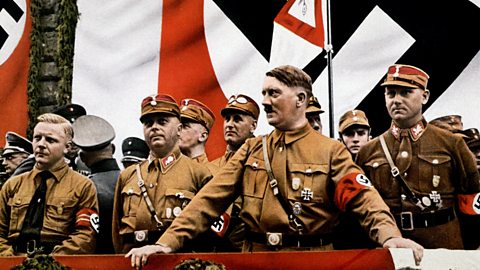
Life in Nazi Germany, 1933-1939 - Cambridge OCR B
Nazi Germany was a totalitarian state, meaning all aspects of Germans’ lives were controlled by the government. It was also one in which those deemed ‘enemies of the state’ were ruthlessly persecuted.
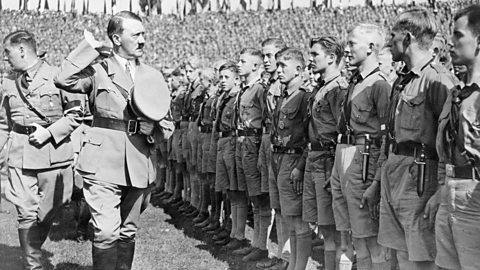
World War Two and Germany, 1939-1945 - Cambridge OCR B
War greatly affected Germans, who had to cope with rationing and bombing, leading to opposition to the war. Persecution of Jews ended in the Final Solution, before Germany was defeated and divided.
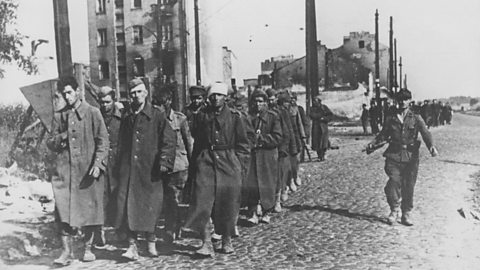
Weimar Germany - exam preparation - Cambridge OCR B
In your History GCSE, it is important that you not only have good subject knowledge, but have the skills to apply this knowledge to exam questions.

Links
- External linkExternal link
- External linkExternal link
- External linkExternal link
- SubscriptionSubscription
- External linkExternal link
