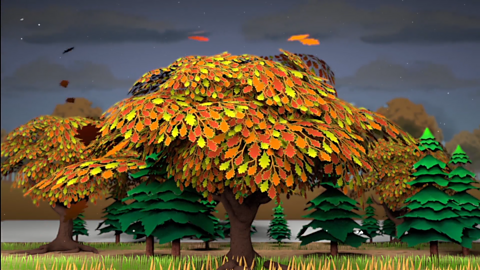
Wanda and the 'Big Book of Things to Know by 8¾' explore why birds and animals travel long distances every year as they migrate
Why do birds migrate?
The word migration describes how birds fly thousands of miles at different times of the year to find food and stay warm.
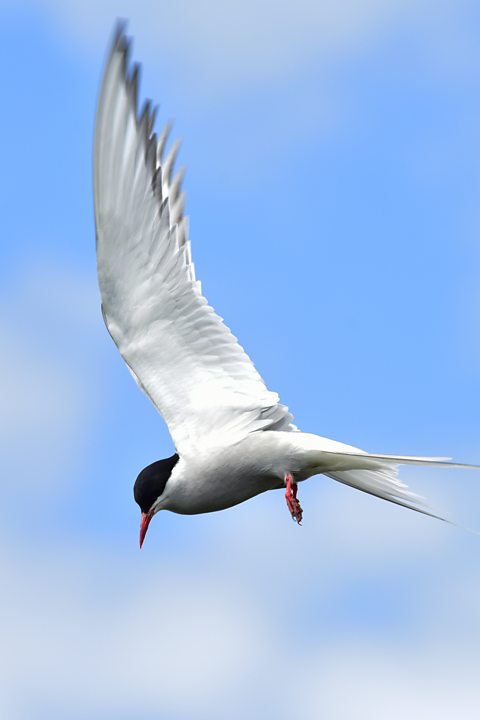
Even tiny birds fly halfway across the world. The Arctic Tern flies over 40,000 miles to find better food. It zigzags so it doesn’t have to fly into the wind.
Migrating birds usually fly at a height of between 200 and 1,500 metres - that’s four and a half Eiffel Towers stacked on top of one another!
When they are flying into a strong wind, the birds stick closer to ground. If the wind is blowing behind them, the birds fly high up in the sky where the wind will increase their speed.
Do birds migrate to Northern Ireland?
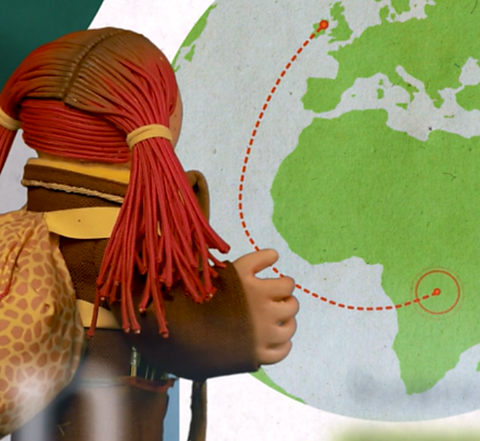
Birds do migrate to Northern Ireland! Thousands of geese, ducks and swans fly here every winter looking for food and some slightly warmer weather.
They often fly in what we call a V formation. Geese do it to conserve their energy and keep track of everyone in the group. Migrating birds have loads of clever ways of finding their route and making sure they don’t get lost.
Many large birds migrate by day, but many smaller birds such as starlings migrate mostly at night. The cooler and calmer night air means the smaller birds lose less energy. Also, they are not so likely to bump into a predator after dark.
Where else do birds migrate to?
Birds migrate all over the world. But a large number, such as swallows, go to countries in Africa where it is lovely and warm with plenty of juicy bugs to eat.
It’s easier to find food in Africa, but it is also easier to become food. There are lots of predators in Africa that you don’t find here.
The willow warbler weighs the same as a £1 coin and flies to Africa at the start of winter. It travels more than 5,000 miles across mountains and deserts and has to cross the sea in a single flight.
Many birds avoid landing in the sea because they would struggle to swim in stormy waters. Seabirds don’t have this problem because they are strong swimmers, so they often take a break on the sea to feed and rest.
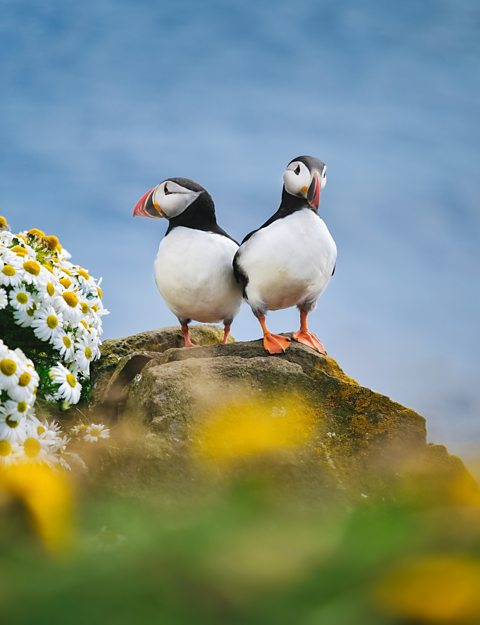
Puffins, which you can find on Rathlin Island in County Antrim, often leave the nest before they learn to fly. Instead, the puffin chicks migrate by swimming.
Bird migration happens in so many different and wonderful ways.
Do any other animals migrate?
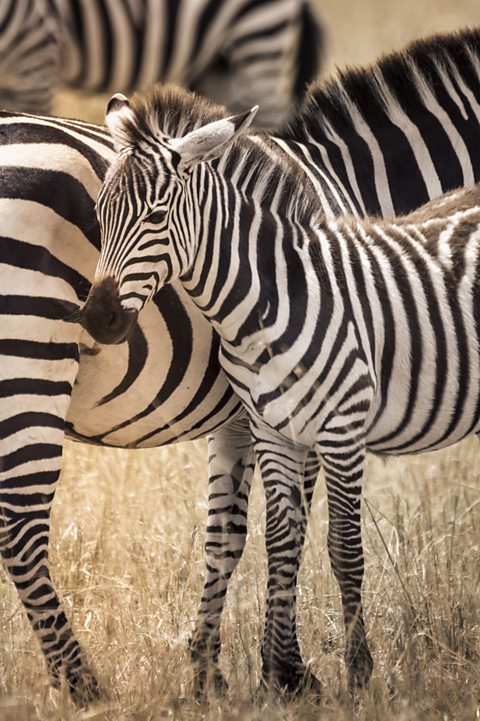
It’s not just birds that can’t handle cold and rainy winters. Lots of different animals migrate to other warmer climates - like fish, bats, butterflies and even some zebras!
Salmon from rivers on the east coast of Ireland spend their early days feeding in freshwater to prepare for their long sea migration. After that, they return to their native river looking for a partner.
Occasionally, the orange and black Monarch butterfly turns up in Ireland from North America. Scientists don’t know for sure how they make it here. Some say that the butterflies get blown across the ocean by storms or the jet stream, which is a very fast wind blowing from the USA to Ireland.
Imagine something as delicate and light as a butterfly crossing the Atlantic Ocean in a matter of days!
More on Where we live
Find out more by working through a topic
- count4 of 8
- count5 of 8
- count6 of 8
- count7 of 8