Exam practice
GCSE English language: using past papers effectively
Boost your confidence for the English language exam with expert guidance, tailored tips and key revision strategies.

Podcast - Exam skills for GCSE English language
Carl Anka and Jean Menzies guide you through useful skills for you GCSE English language exam.
Video playlists
- Video Number4 Videos
- Video Number4 Videos
- Video Number3 Videos

- Video Number2 Videos
- Video Number7 Videos
- Video Number3 Videos

- Video Number4 Videos

- Video Number10 Videos
Analysing fiction
Fiction text types - Cambridge OCR
Fiction is usually made up by the writer. Fiction texts could be based on the writer’s own life experiences or come from their imagination (or be a mixture of the two).

Setting - Cambridge OCR
The setting of a text includes the location and time when events take place. Setting can play a crucial part in establishing atmosphere and reflecting themes and character within a text.

Themes - Cambridge OCR
Themes are the main ideas or meaning that run through a text and may be shown directly or indirectly. When working out themes it helps to look closely at the language choice, setting and characters.
Characterisation and narrative voice - Cambridge OCR
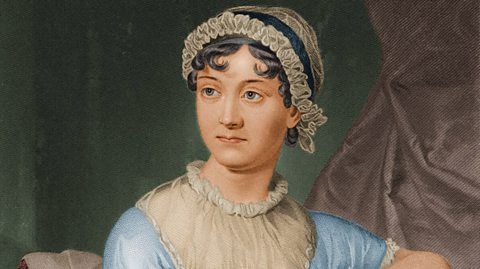
Characterisation is when a writer creates fictional characters for a narrative.

Language and structure - Cambridge OCR
Language (words and phrases) and structure (the order of ideas in a text) are the methods used by writers to create effective characters, setting, narratives and themes.

Annotating texts - Cambridge OCR
Annotating is when you add notes or comments to a text; this could also include underlining or circling individual words or phrases.

Responding to a fiction text - Cambridge OCR
When responding to the two fiction texts you will be asked to focus on a particular area, picking out specific details or responding more fully with a close analysis.

Sample exam question and answer - Cambridge OCR
An example of the type of question you might be asked in the exam and how best to approach it.
Analysing non-fiction
Non-fiction text types - Cambridge OCR
Non-fiction texts come in many types, and have many different purposes. They surround us in everyday life but can also come in more sophisticated forms.

Purpose and audience - Cambridge OCR
When we talk about the purpose of a text, we are talking about what the writer wants to achieve. Writers use language and structural features to deliberately appeal to their intended audience.

Language and structure - Cambridge OCR
Writers choose words and language features deliberately - to have an effect on their readers. The way they structure parts of a text, eg openings and endings, influences the reader too.
Responding to a non-fiction text - Cambridge OCR
In the exams, you will demonstrate your understanding of non-fiction text types, their intended audience and purpose, and how the writer has used language and structure.
Sample exam question and answer - Cambridge OCR
An example of the type of question you might be asked in an exam and how best to approach it.

Comparing texts
How to compare texts - Cambridge OCR
Comparing involves directly linking texts through their similarities and differences. It is important to move equally between the two texts, and write about them together, not separately.

Sample exam question and answer - Cambridge OCR
An example of the type of question you might be asked in an exam and how best to approach it.
Writing
Audience, purpose and form - Cambridge OCR
Establishing audience, purpose and form allows you to choose the most appropriate language, tone and structure.

Writing fiction - Cambridge OCR
Writing fiction is an opportunity to come up with creative and original ways of using language. You might find inspiration from your own experiences or from your imagination.

Writing non-fiction - Cambridge OCR
Non-fiction texts are those that deal with facts, opinions and the real world. Many non-fiction texts follow specific conventions of language and structure.

Planning - Cambridge OCR
It’s always a good idea to plan before you write. You can gather your main ideas, list vocabulary you’d like to include and map out your structure in a way that makes writing easier.

Organising information and ideas - Cambridge OCR
Well-organised writing is easy to follow and understand. Points follow on from and build upon each other to lead to clear conclusions.

Using language effectively - Cambridge OCR
Writers use language to create different effects. Learning how to use these will make your writing more engaging.
Vocabulary - Cambridge OCR
Make your writing interesting and lively by using a wide range of vocabulary. Use specific words to convey your meaning.

Spelling, punctuation and grammar
Spelling - Cambridge OCR
Learning to spell correctly means you’re more likely to be understood. You can improve your confidence by reading widely and learning to use spelling strategies.

Punctuation - Cambridge OCR
Using punctuation effectively means that your reader can make sense of your writing. It can also help create dramatic effects in your writing.

Grammar - Cambridge OCR
Grammar refers to the structure of language and how different words fit together. Knowing something about English grammar rules should help you to construct clear and meaningful sentences.

Spoken language
Speaking and listening - Cambridge OCR
Effective face-to-face communication means thinking about audience and purpose. Generally this means using Standard English, listening carefully and being polite and co-operative.

Personal presence - Cambridge OCR
Face-to-face communication includes the words you say and, more importantly, the way you say them. Eye-contact, gesture and posture can all add to the impact of your talk.

Voice - Cambridge OCR
How you speak affects the meaning of your words. Varying your tone, volume and pace can help engage a listener.
Individual researched presentation - Cambridge OCR
In an individual researched presentation you will need to give a presentation in front of an audience. You’ll need to research your topic beforehand and may need to answer questions from the audience.

Responding and interacting - Cambridge OCR
Participating in a group discussion allows you to respond and interact with others. You can share your opinion as well as respond to the opinion of others.

Revision resources
How to revise for your English language exams
Get ready for the GCSE English language exams with these interactive resources from BBC Bitesize.

Links
- External linkExternal link
- External linkExternal link
- External linkExternal link
- External linkExternal link
- SubscriptionSubscription
