You’ve ordered your tea or coffee. You’ve umm-ed and aah-ed about a sprinkling of matcha, cinnamon or ube. Then comes the next big decision - what sort of milk would you like with it?
It’s not just semi-skimmed or full-fat on the table. It could be milk made from oats, almonds, cashews, soya or coconut. But cashews don’t have udders and almonds can’t lactate - so how exactly do you get milk from a nut? BBC Bitesize has taken the non-dairy option to find out more.
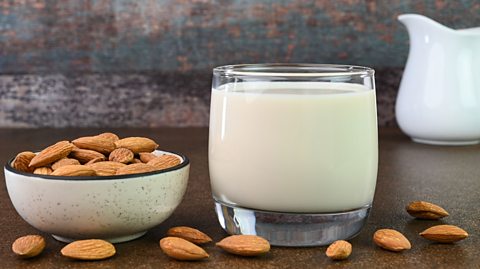
When did nut milks become popular?
Strictly speaking, almonds and cashews are not nuts. They are technically seeds although they can be harvested from trees in the same way that hazelnuts and walnuts are.
Although almond milk may seem like a modern trend, it dates back to to the 13th Century and the Middle East. When people were fasting and keeping cows’ milk out of their diet, almond milk was a popular alternative. Today, plant-based milks are a popular option for people who have allergies to dairy products or follow a vegan diet.
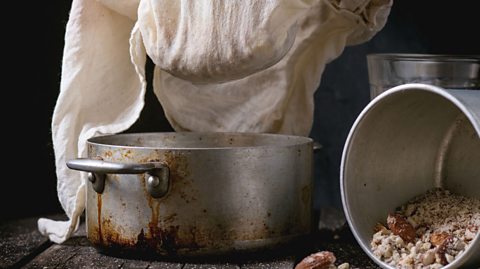
How do you make milk from almonds?
It is possible to make almond milk at home - there are plenty of methods available online. If you do want to have a go yourself, most recipes tend to involve soaking almonds overnight before putting them a blender, so make sure you have an adult on hand to help if you’re not used to using kitchen equipment.
On an industrial level, and according to an almond processing company based in California, USA - it’s all a bit bigger.
First, the almonds are cleaned, with any that are damaged or too small removed from the milk-making process. Then, they are soaked (also called blanching) which makes them easier to grind up and also helps to remove any enzymes which can affect people’s digestion.
The almonds then go through something called milling. This grinds them into a paste which is then mixed with a specific amount of water to create the almond milk that is then sold in shops and supermarkets.
Is nut and plant milk definitely milk?
In February 2026, a court case in the UK saw the Swedish plant milk manufacturer Oatly banned from using the word “milk” in marketing. The company had wanted to use the phrase “post-milk generation” when advertising its products but Dairy UK - who represent British dairy farmers - objected to it. The case went through several courts before it was finally decided that Oatly would not be able to use the phrase.
In Europe, farmers have complained that using the word “milk” to describe something without any dairy products in its ingredients is confusing and could have a negative effect on dairy farmers. Since December 2013, European Union regulations have stated that the names milk, butter, cheese, cream and yogurt can only be used to advertise products made from animal milk.
One of the exceptions to this was almond milk (and coconut milk). So, even though they are lacking those vital udders - you can still get milk from a nut. Even if, strictly speaking, it’s not really a nut at all.
This article was published in March 2026
The fascinating history of plant milks
While dairy-free choices may seem relatively new, some of them date back thousands of years.
Udderly astounding facts about milk
Why the white stuff has a history with a lot of bottle.
Five of the weirdest taxes in the world
Ahead of the Autumn Budget, BBC Bitesize explores some of the stranger taxes from around the world - including beards, windows and cows