Your favourite artist has announced a long-awaited world tour and tickets are bound to be popular. But some unofficial-looking websites are already offering them to fans. What should you do?
It’ll be familiar to anyone who’s tried to buy concert tickets for big gigs in the last few years, and it can lead to fans being targeted by scammers.
With acts like BTS, Harry Styles and Ariana Grande already staging concerts, and Tyla’s world tour arriving this month, it’s been a big year for UK gigs and festivals - and things are already looking ahead to 2027, with Glastonbury tickets selling out over the weekend.
So, how do you avoid being scammed when buying concert tickets? Find out with BBC Bitesize Other Side of the Story.

How are people getting scammed over Glastonbury tickets?
Tickets to Glastonbury 2027 were available to buy from 09:00 on Sunday 4 October. By 09:42… they’d all sold out. Many disappointed fans were left empty-handed, but any cancelled tickets will be made available in the spring resale, so people will have a chance to book again. Until then, it's important to stay alert of fraudulent ticket offers.
Posts circulating online have already claimed to offer ticket deals at eye-popping prices. Some have been marked as AI content, with Glastonbury logos that look professional but don’t match the official branding. Others will take you through to websites with the right logo and an address very close to the official website’s… but not the real thing.

Even before tickets went on sale, festival organisers warned about scammers claiming to be able to secure tickets for people. They also reminded fans that every festival pass is personalised to the ticket-holder, including a photo on the ticket itself - so the only way to purchase a ticket safely is through the official sellers.
Glastonbury has been the subject of fake content in the past, including a false line-up for 2025's festival spreading online. It’s important to check every detail closely - and to find the official channels to book live tickets independently, not just tapping a link on social media.
How do ticket scams work?
In August 2026, the UK government reported that the amount lost to ticket fraud in the past year reached £150m.
These scams often involve posts on social media falsely claiming to have tickets to events that have already sold out. Sometimes, they’ll say they didn’t realise a friend had already managed to get some - or reply to genuine fans who’ve posted to say they missed out. Scammers may also claim to have special presale links where fans can buy tickets ahead of everyone else.
Victims will be asked to pay upfront, usually by bank transfer, however the tickets are never sent. Fraudsters may try to rush people into making a purchase before they can think clearly about what they’re buying.
You might also find websites advertised on social media that offer tickets for sale, according to Report Fraud. It used to be known as Action Fraud and is the UK’s national reporting centre for reporting cyber crime and fraud.
While these websites might look genuine and may use a name or address similar to a legitimate site, they’ve been created by fraudsters.
Where are people being scammed?
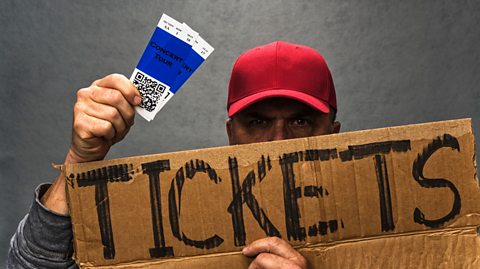
You’ll find scammers everywhere fans are online and that means all over your socials and in fan forums.
When Oasis tour tickets went on sale in 2024, Lloyds Bank said victims of ticket scams had lost £346 on average, with some seeing £1,000 stolen. It said 90% of cases started on social media.
One BTS fan who shared an experience on the r/kpophelp subreddit said they had been the victim of a concert ticket scam on Discord: “I asked for proof of tickets with screenshots. I had a video call with screen sharing and they showed me a video of them swiping through their tickets on the Ticketmaster app. Felt rushed to make the transaction.”
An Ariana Grande fan shared a similar experience on the r/ariheads subreddit, explaining their friend had been scammed by a reseller on TikTok: "The seller moved the convo to WhatsApp and asked her to pay via Revolut. After paying she received a confirmation email that looked like Ticketmaster saying the transfer was 'pending'/'verification' and included a 'resale fee'. After noticing inconsistencies in the emails she realised something was off, tried to confront the seller about the resale fee as it wasn't a thing and they blocked her."
When concerts and festivals like Glastonbury are sold out, it's important to be extra careful when looking for resale tickets and only used trusted websites who are authorised for resales, such as Eventim and Ticketmaster, among others.

South African pop star Tyla comes to the UK in October with The A*Pop World Tour. Tickets went on general sale at the end of July, and some are still available now, but even as early as the pre-sale, scammers took to X to try and 'resell' the tickets, adding a sense of urgency and pressuring fans to buy.
Be wary of people trying to resell pre-sale tickets, especially if the pre-sale period is still open. If you don't get tickets during pre-sale, don't worry - fans will have the chance to get their hands on tickets in the general sale.
What should you do if you have been scammed?
BBC Bitesize Other Side of the Story contacted Trading Standards, an organisation aimed at helping to protect people from things like scams. They gave this advice on buying concert tickets.
- Use well-known primary ticket sellers with an established name, or resale sites and platforms that have a good reputation. If tickets are being sold on social media, a messaging app or an unofficial marketplace, this should be a cause for concern. Fraudsters will make the situation look urgent, that it is important to take advantage of a last-minute deal or to buy quickly, claiming tickets are about to sell out.
- Look out for tickets that are priced a lot lower than expected and sellers who don't want to use secure payments methods, or who ask for a bank transfer instead.
- Tickets for sale before the official release date are not usually a good sign. Neither are poor quality images on an advert.
- Check that the platform you're buying from offers protection to you as the buyer. Sites with a good reputation will guarantee tickets, private sellers do not. The concert organiser may also issue advice or guidance on who the official sellers are, so you know who to avoid.
The spokesperson added: "The key message is to take a moment before buying. If something feels off, it usually is.
"Taking simple steps such as checking the seller, using secure payment methods, and avoiding deals that seem too good to be true can make a real difference."
If you still believe you've been scammed, get in touch with your bank as soon as possible if you’ve made a payment. Make sure you check your account and bank statements for any unusual activity.
You can also let Report Fraud know what’s happened by calling 0300 123 2040. Even if you don’t get your money back, sharing your experience can help other people.
This article was published in March 2026 and updated in July 2026 and October 2026.


Not sure if the news you’re seeing on social media is true or false? Can you always tell if the things you see online are real or fake?
Learn how to get the other side of the story with our quizzes, videos and explainers about media skills and viral trends including popular food myths.
How to spot a scam
Scams come in a variety of forms including text messages and emails, but how can you spot a real advertisement from a scam?
Three common online scams and how you can protect yourself from them
We take a look at some common online scams and look at the things you can do to help keep yourself safe

Other Side of the Story
Back to our homepage for more quizzes and explainers about fake news, viral trends and media skills.