Natural disasters, including earthquakes, tsunamis, hurricanes and tornadoes, strike communities across the globe, often with little warning.
While humans rely on advanced technology to predict and measure these catastrophic events, some animals appear to possess an innate ability to sense disasters long before we do.
Sophia Herod from BBC Weather explained to BBC Bitesize what we know animals and natural disasters.
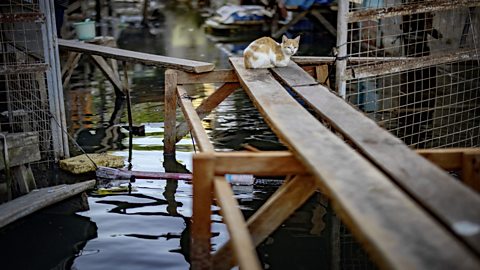
What happens to animals during disasters?
Animals are incredibly sensitive to environmental changes, shifts that are difficult for humans to detect. Reports from past natural disasters have shown that animals can behave in ways that indicate they know something is coming.
Tsunamis
An example of this is before the infamous 2004 Boxing Day tsunami struck in the Indian Ocean. Elephants moved inland and birds abandoned coastal areas.
The ability of animals to react to these events remains unproven, but elephants are believed to sense the low-frequency infrasound and seismic vibrations from underwater earthquakes via their feet and sensitive hearing, causing them to show distress and flee to higher ground before waves arrive.
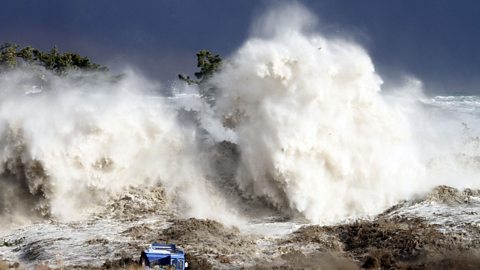
This remarkable ability may be a form of early warning, helping animals avoid harm in ways humans might not yet understand.
Escaping wildfires
Wildfires can be a natural part of local ecosystems, but they can also be a destructive force- devastating habitats, reduce biodiversity and can result in the loss of life and plants.
But for some creatures these fires present an opportunity.
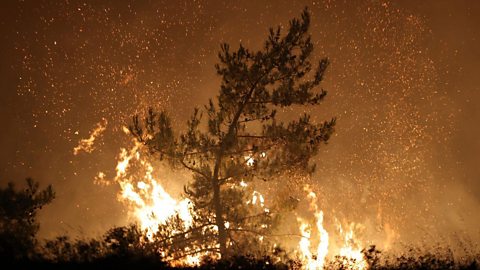
The Melanophila acuminata beetle has specialised sensors that detect infrared radiation, allowing them to detect forest fires from up to 80 miles away. Instead of running away, they fly directly towards the fire to mate and lay their eggs in freshly burned wood, which provides a safe environment for their larvae to feed.
For some animals, wildfires can provide a unique opportunity. In Australia, black kites, whistling kites and brown falcons are known as 'firehawks' because they have been seen picking up smouldering sticks in their talons or beaks and dropping them in unburned areas. They do this to intentionally start new fires, which flushes out insects, lizards, and small mammals for them to catch.
Earthquakes and snakes
Animals often display unusual behaviour before earthquakes due to their heightened sensitivity to environmental changes, such as early P-wave tremors, the fastest seismic waves produced by earthquakes, gases released from the ground, or electrical changes.
Snakes often react to impending earthquakes days in advance by displaying erratic behaviour, such as leaving burrows in winter, refusing food, or attempting to escape captivity by hitting walls. Due to their highly sensitive inner ears and skin, they can detect subtle tremors, ground vibrations, and electromagnetic changes up to 120km (75 miles) away and a few days prior to a quake.
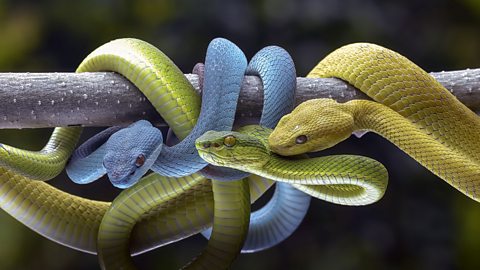
Back in 1975, it was reported that hundreds of snakes came out of hibernation early, before a devastating 7.3 magnitude earthquake in the Chinese city of Haicheng.
Other animals, including dogs, cats, and farm animals, often become nervous, howl, or flee areas before the earthquake hits. Though this natural response to earthquakes is still not fully understood, it suggests that many species possess an innate ability to sense seismic activity.
How animals react to storms
Animals often detect approaching storms via changes in barometric pressure, which in simple terms, measures how heavy the air is.
They respond by seeking shelter, moving to higher ground, or changing foraging habits. Birds may alter flight paths, while mammals like deer and cows often hunker down or group together. Pets may show anxiety, such as pacing, hiding, or trembling.
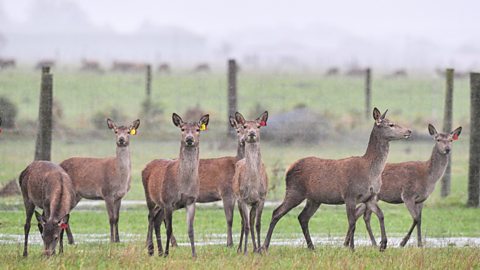
During thunderstorms it’s been known for ground-dwelling animals to burrow underground to avoid lightning’s intense heat. Some species, such as fireflies, have even adapted to mimic lightning patterns to confuse predators.
Why it matters
The ability of animals to sense natural disasters before they occur has important implications. By studying animal behaviour, scientists hope to learn more about how they detect impending disasters, which could inform improved early warning systems and better conservation strategies.
As researchers continue to track and observe animal responses, this could provide new insights into how we might predict and prepare for future natural events.
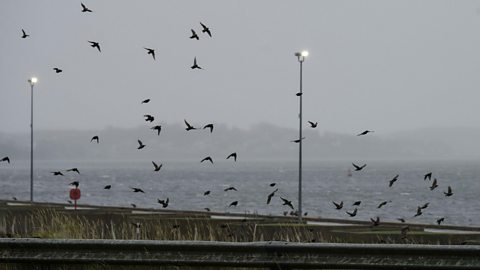
With climate change increasing the frequency and intensity of extreme weather events, understanding how wildlife responds to these challenges will be critical for preserving biodiversity.
Recognising and supporting nature’s adaptive responses will help protect vulnerable species and ensure ecosystems continue to thrive despite the threats posed by natural disasters.
This article was published in March 2026
Why are iguanas freezing and falling out of trees in Florida?
BBC Bitesize looks into the phenomenon of frozen iguanas in the Sunshine State
Electric eels, koala bears and four other things that aren't what their names say
There’s a famous expression 'it does what it says on the tin', but what if the tin isn’t tin at all?
Cherry blossom: What is sakura season in Japan?
Thousands of tourists flock to Japan to see the cherry blossom trees each spring - but why is it so important?