Every summer, as temperatures rise, electrolyte drinks start popping up all over social media with influencers, athletes and wellness creators once again promoting colourful hydration drinks and sachets. There's claims they can boost energy, improve focus and help your body recover faster.
But what exactly are electrolytes, what do they do, and most importantly, do we actually need to drink them when it's hot outside? Or are they just another wellness trend taking over our feeds?
What are electrolytes?
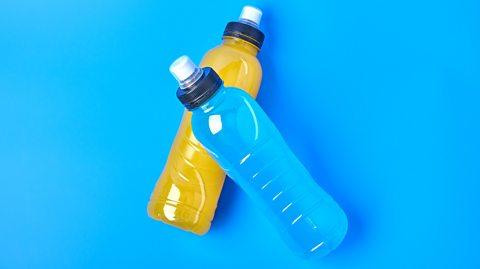
Electrolytes are minerals found in your body that help regulate important functions. The main electrolytes include sodium, potassium, calcium and magnesium.
They help your body, stay hydrated, balance fluids, support muscles and nerves and maintain energy levels.
Electrolytes are naturally found in foods and drinks including bananas, milk, yoghurt, leafy greens and coconut water.
Why do electrolytes trend in the summer?
Electrolytes have exploded online thanks to fitness influencers, wellness creators and celebrity-backed brands. TikTok creators often share “what I drink in a day” videos featuring electrolyte sachets poured into giant water bottles, while gym influencers promote them as part of daily wellness routines.
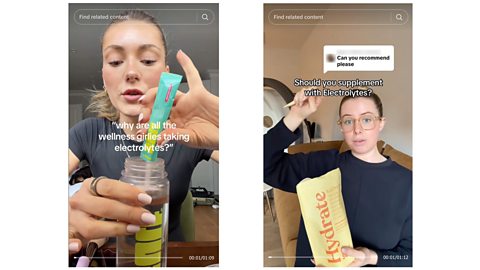
The trend follows other viral health crazes including matcha drinks, greens powders and collagen supplements, products often marketed as quick fixes for energy, glowing skin or better wellbeing.
Hydration trends have become especially popular through “WaterTok”, where creators mix flavoured waters, supplements and electrolyte powders into aesthetic drinks for social media.
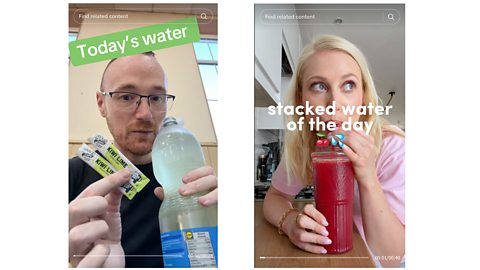
The hashtag culture around “wellness routines” means products can quickly go viral, even when the science behind them is more complicated.
Why do we need electrolytes?
Electrolytes help your body function properly. When you sweat, especially during hot weather or exercise, you lose both water and minerals. Replacing those minerals can help prevent dehydration, tiredness and muscle cramps.
Nutritionist Kerry Torrens says most people don't actually need electrolyte supplements as our "kidneys work to keep our electrolyte levels stable and we can usually top up these minerals through the foods we eat".
In fact, Kerry says a balanced diet is often enough to provide the electrolytes your body needs. "If we're enjoying a varied diet that includes fruit and vegetables, dairy, nuts and seeds, as well as lean meats, we're already getting plenty of natural sources of electrolytes".
So, while electrolyte drinks can be useful in certain situations, for most people the minerals needed to stay healthy can be found in everyday foods.
Should you be drinking electrolytes during exercise?
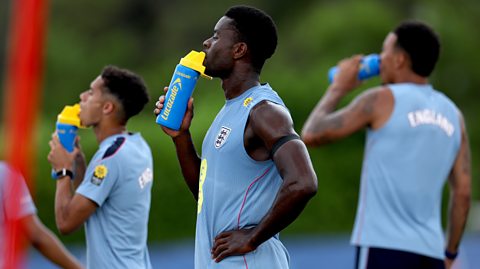
Not necessarily. BBC Sliced Bread spoke to Graeme Close, Professor of Human Physiology and Head of the Research Institute for Sport and Exercise Sciences at Liverpool John Moores University, who said that while added electrolytes may be beneficial during extreme or prolonged exercise, they are not essential for most people.
For the average gym-goer exercising for less than an hour, electrolyte drinks are "not an essential component of an everyday gym bag", adding that in most situations, simply having "a sip of water" is "more than enough".
Graeme argues that for people exercising intensely or for long periods of time (over 60-80 minutes), especially those who are "salty sweaters", there's value in replacing some of the sodium lost through sweat by adding electrolytes back in. One way to tell if you're a "salty sweater" is to check your clothing after a workout. If you notice white salt marks on your T-shirt, it could be a sign that you're losing higher amounts of sodium through sweat and may benefit from replacing some of those lost electrolytes.
While social media is awash with videos promoting electrolyte drinks as a daily wellness essential, the reality is that most people can stay adequately hydrated through water and a balanced diet alone.
Do electrolytes help in hot weather?
So what about in extreme weather? Hot weather can make you sweat more, causing your body to lose fluids quickly so in some situations electrolyte drinks may be helpful.
According to Nutritionist Kerry, most people can cope with hotter weather simply by drinking more fluids and eating water-rich foods. She says increasing fluid intake and “eating foods with a high water content, such as fruit and salads, is enough to meet any extra hydration needs".
Can you trust health advice you see on social media?
Just because something is popular doesn't mean it's accurate. Experts say it's important to be careful about where your health advice comes from.
Kerry warns individuals these products have been marketed as part of a "self-care" lifestyle to encourage more people to buy them. She also points out that many influencers are paid to promote products and "may not have the medical or nutritional knowledge" to know whether they're actually right for you.
If you're unsure about advice online, Kerry says it's worth asking whether the person is qualified and whether they're trying to inform you or sell you something. Sponsored posts, "buy now" messages and limited-time offers can all be signs that content is really an advert.
How to spot trustworthy health advice online
Health content can spread quickly online, but not all of it is accurate.
Check the source: Is the information coming from a trusted organisation, doctor, dietitian or scientific study? Reliable health advice should be backed by evidence, not just personal stories.
Be cautious of influencers: Some creators are paid to promote products, supplements or drinks. That doesn’t always mean the advice is wrong but it’s important to know when content is sponsored.
Look for balanced information: Be wary of videos claiming one product will “change your life”, “detox your body” or “fix” your health instantly. Real health advice is usually more balanced and less dramatic.
Don’t rely on one video: Try checking multiple reputable sources including NHS guidance, health organisations or qualified experts.
This article was published in June 2026

Not sure if the news you’re seeing on social media is true or false? Can you always tell if the things you see online are real or fake?
Learn how to get the other side of the story with our quizzes, videos and explainers about media skills and viral trends including popular food myths.

Other Side of the Story
Back to our homepage for more quizzes and explainers about fake news, viral trends and media skills.